 (925) 293-3313
Amazon’s 2026 fee adjustments are on the horizon, and while the headline figure is a modest $0.08 average increase per unit, the reality is far more complex. These changes target specific aspects of fulfillment, inventory management, and shipping, meaning the impact on your business will depend heavily on your product portfolio and operational efficiency. The message from Amazon is clear: efficiency will be rewarded, and waste will be penalized. It’s time to get strategic. Here is your action plan to prepare your business for these changes and protect your profitability.
1. Re-evaluate Your Product Profitability
The FBA fulfillment fee changes are not a flat tax; they are highly specific to product size and price. Sellers of small, standard-size products over $50 will see the largest per-unit increase ($0.51), while those selling items under $10 will benefit from an increased fee discount. This requires a granular, SKU-level analysis of your entire catalog.

Your first step is to use Amazon’s updated Revenue Calculator and the new Profit Analytics dashboard. Model the impact of these fee changes on each of your products. Identify which ASINs will see their margins shrink the most. This analysis should inform critical decisions about your product portfolio, pricing strategy, and advertising spend. You may find that certain low-margin products are no longer viable, or that a small price adjustment is necessary to maintain profitability.
2. Master Your Inbound Shipping Process
Amazon is tightening the screws on inbound logistics. The inbound placement fee for standard-size items is increasing by $0.05 for sellers who prefer minimal shipment splits. More importantly, the introduction of a new inbound defect fee (averaging $0.60 per unit) for late, misrouted, or missing shipments is a significant penalty for logistical errors.
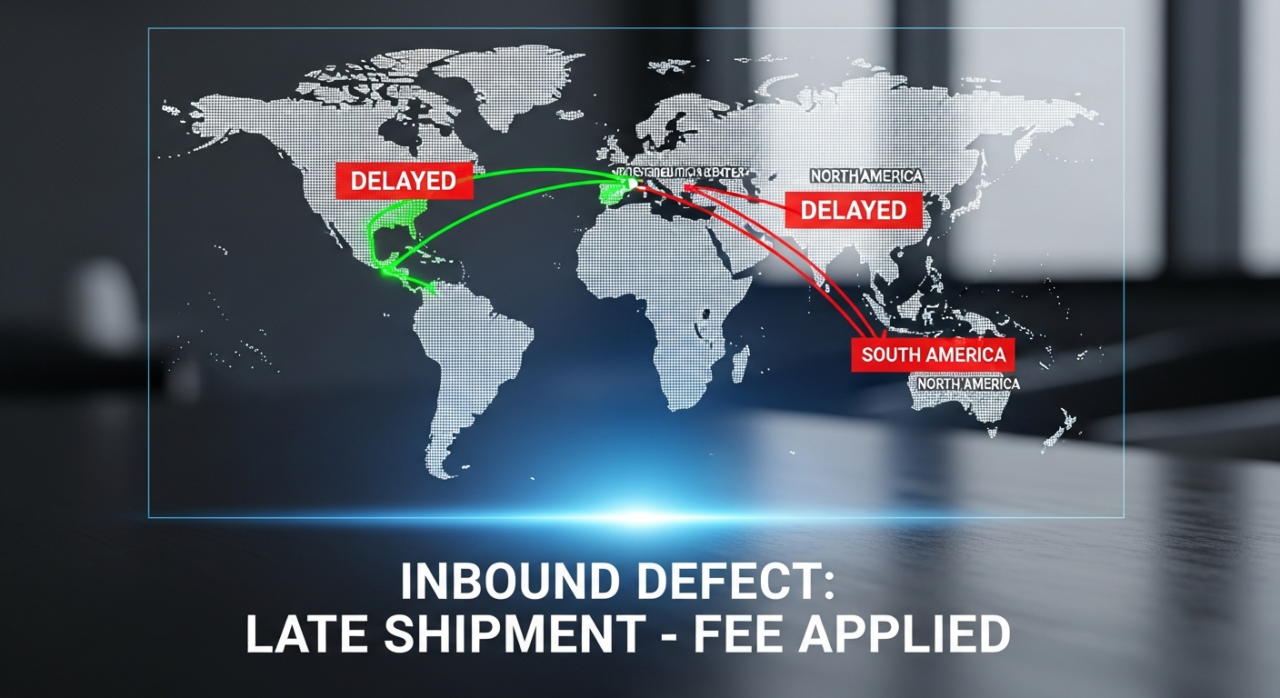
Now is the time to audit and reinforce your entire inbound process. Ensure your team or 3PL partner understands the importance of meeting ship dates and sending inventory to the correct fulfillment centers. Evaluate the cost-benefit of using the minimal splits option versus managing multiple shipments yourself. A single mistake on a large shipment could now cost you hundreds or thousands of dollars, making operational excellence in this area non-negotiable.
3. Implement Proactive Inventory Management
Several fee changes are designed to penalize poor inventory management, specifically holding too little or too much stock. The Low-Inventory-Level Fee will now be applied at the more granular FNSKU (variation) level, meaning you must now monitor stock levels for each individual variation, not just the parent product.
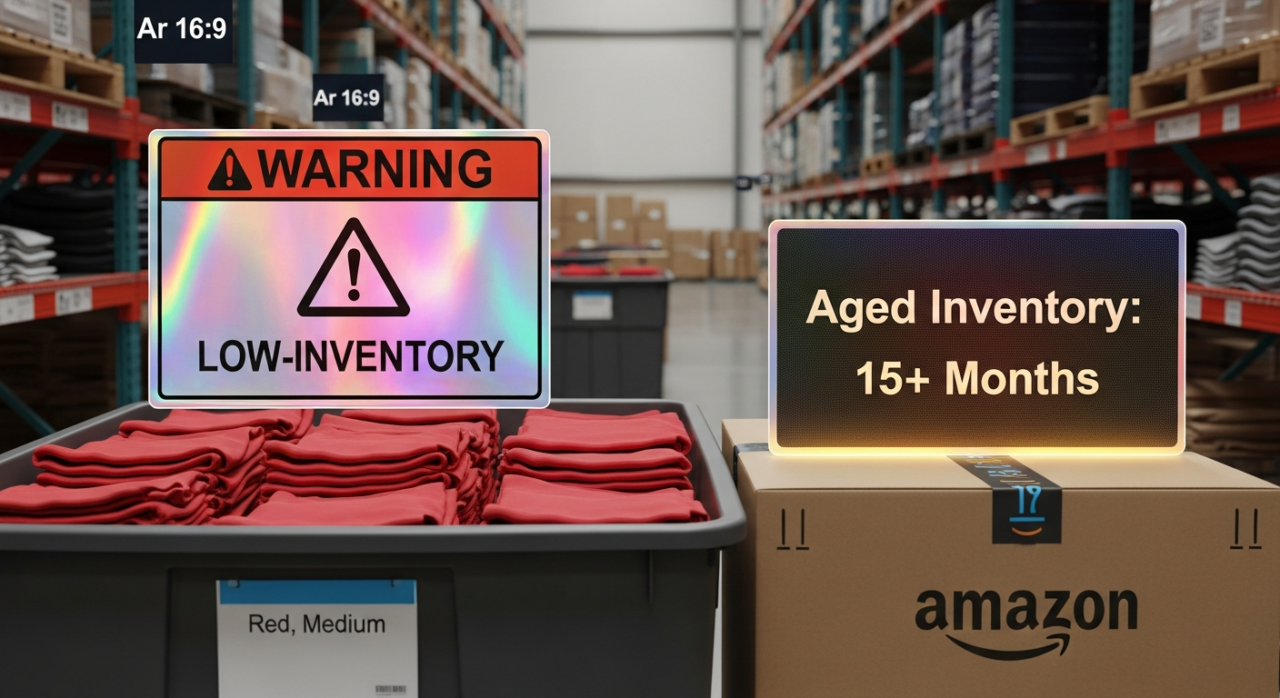
Simultaneously, aged inventory fees are increasing significantly, with a new, higher tier for inventory stored over 15 months. To counter this, you must adopt a proactive approach. Use inventory planning tools to identify slow-moving stock well before it hits the 12-month mark. Take advantage of the reduced removal fees for small, standard-size items to clear out old or unprofitable inventory now. The goal is to maintain a lean, healthy, and fast-turning inventory to avoid these compounding fees.
4. Audit Your Packaging for Bulky Items
A significant new cost is the packaging fee, averaging $2.07 per unit, for small and large bulky products that cannot be shipped in their own packaging. If you sell larger items, this fee could severely impact your margins.
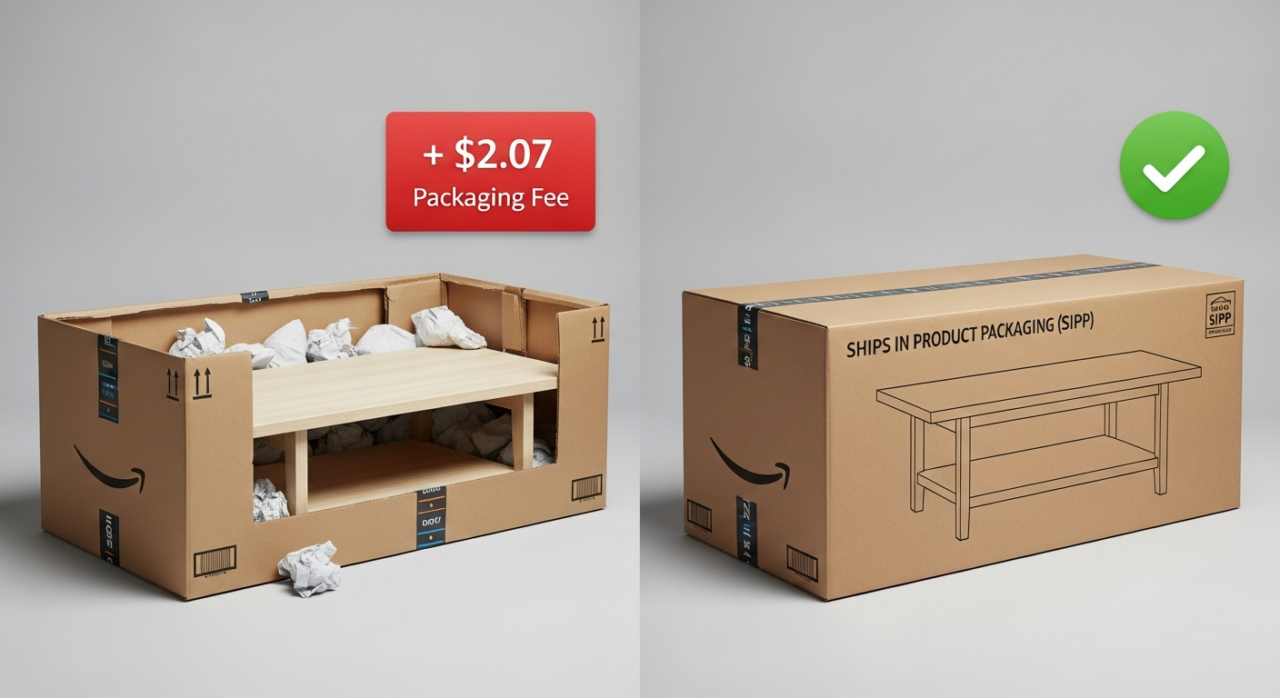
Conduct a full audit of your bulky products. Determine which ones are subject to this new fee and explore whether they can be redesigned or repackaged to qualify for Amazon’s Ships in Product Packaging (SIPP) program. Investing in better, more durable product packaging now could save you thousands of dollars in fees in the long run. This change directly links product design and packaging choices to your fulfillment costs.
5. Leverage the New Coupon Fee Cap
It’s not all bad news. For sellers who use coupons as a key part of their marketing strategy, Amazon has capped the associated variable fees at $2,000 per coupon. This is a major benefit for those running large-scale or high-velocity promotions on popular products.

If you have avoided aggressive coupon strategies in the past due to unpredictable costs, it’s time to reconsider. This cap allows for more predictable and cost-effective sales campaigns, enabling you to drive volume without the risk of runaway fees. Analyze your product lineup and identify where a large-scale coupon campaign could be used to boost sales rank, clear inventory, or launch a new product effectively under this new, more favorable fee structure.
Navigating these changes can be complex, but with a proactive strategy, you can protect your margins and even find new opportunities for growth. For expert guidance and a comprehensive approach to managing your Amazon business, turn to the team at EHP Consulting Group. If you have specific questions or need a personalized strategy, don’t hesitate to contact us today.
Need Help Growing Your Sales?
We are here to help you scale.