 (925) 293-3313
You find a great product, build a beautiful listing, and start seeing sales, only to be hit with a dreaded intellectual property (IP) complaint. While copyright claims have a clear path forward, patent infringement notices are a different beast entirely, capable of shutting down your business overnight.

The threat is real. Seemingly simple products, from the Naväge Nasal Irrigator with its powered suction (patented since 2011) to the HiccAway hiccup-stopping straw, are backed by formidable patent portfolios. For sellers, this landscape is intimidating. How can you confidently source or develop products without inadvertently stepping on a legal landmine? The answer lies in leveraging a powerful new ally: Artificial Intelligence.

AI tools like Google’s Gemini are changing the game, turning complex research and development tasks into manageable steps for entrepreneurs at any level.
1. Conduct Proactive Patent Research
Before you invest a single dollar in inventory, you need to do your due diligence. In the past, this meant either hiring expensive patent attorneys for preliminary searches or spending countless hours trying to decipher complex patent databases. Now, AI can serve as your first-pass research assistant.
You can use a tool like Gemini to perform initial searches on a product concept. Because it can leverage Google’s vast index, including its own patent database, you can ask direct questions in natural language, such as “What are the existing patents for nasal irrigation devices with powered suction?” or “Summarize the key features of the patent for the ‘Fisst’ hiccup tool.” The AI can synthesize information from multiple patents, helping you quickly understand the existing landscape, identify key inventors like Dr. Ali Seifi, and pinpoint the unique features that are protected. This initial research helps you gauge whether a product niche is too crowded with patents or if there’s a unique angle you can pursue. It’s crucial to remember that AI can sometimes generate incorrect information, so always use its findings as a starting point and verify critical details. This process doesn’t replace professional legal advice, but it empowers you to have a much more informed conversation with an attorney later.
2. Brainstorm and Validate Unique Product Features
Avoiding infringement isn’t just about steering clear of existing products; it’s about creating something genuinely new. This is where AI transitions from a defensive tool to a creative partner. If your research shows that the market for a certain product is protected by patents, you can use AI to brainstorm innovative variations that could carve out a new space.

For example, you could prompt the AI: “Given the patents for the Naväge system, brainstorm five new features for a nasal care device that do not involve powered suction.” The AI can help you ideate on different mechanisms, materials, or delivery systems. This process of guided brainstorming can spark the innovative idea you need to develop a unique product that not only avoids infringement but is also potentially patentable itself. This shifts your business model from one of imitation to one of innovation, building a more defensible and valuable brand in the long run.
3. Accelerate Prototyping with AI-Generated Design and Code
Once you have a unique product idea, the next hurdle is development and prototyping, which can be both time-consuming and expensive. AI is dramatically lowering this barrier to entry. If your product has a digital component, like a companion app or a “smart” feature, you can use AI to build it from the ground up.
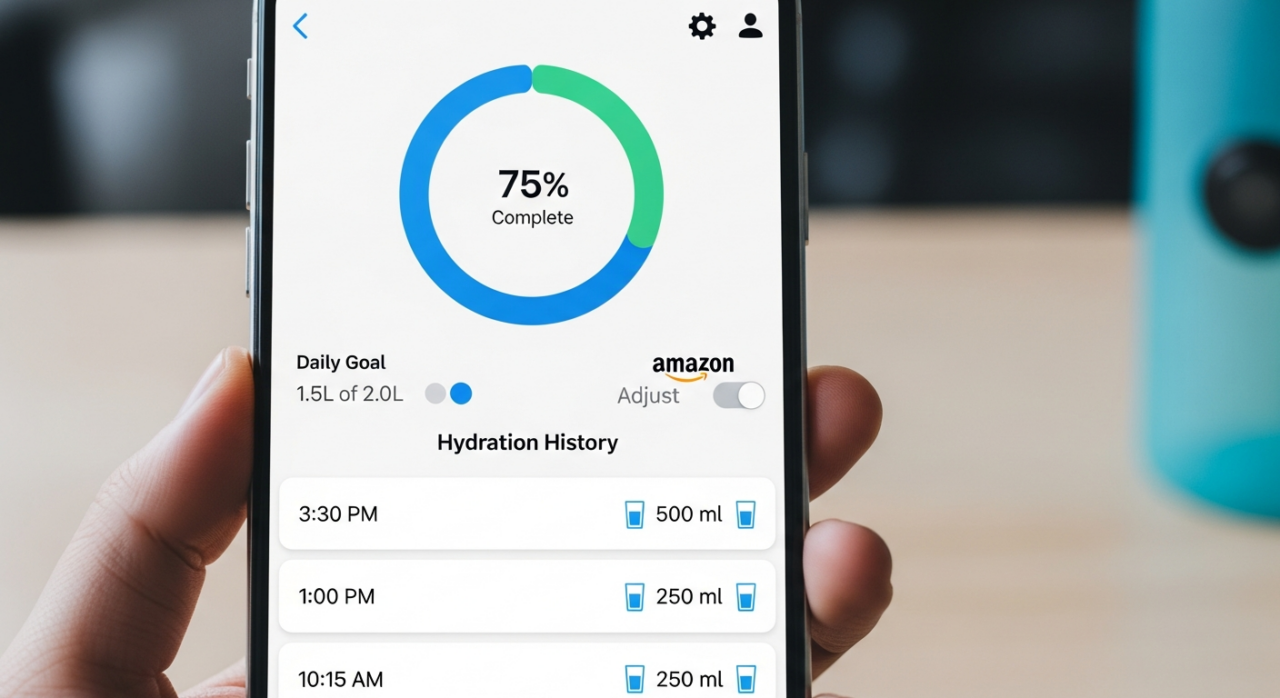
Tools like Gemini now have generative UI capabilities. You can describe the app you want to create in plain English: “Generate a user interface for an app that tracks water intake and connects to a smart water bottle. It needs a home screen with a progress circle, a settings page, and a history log.” The AI can produce wireframes, design elements, and even generate the underlying code for the application. This allows you to create an interactive prototype in hours or days, not weeks or months. This rapid prototyping enables you to test your ideas, gather feedback, and refine your product quickly before committing to costly manufacturing and development cycles. It’s a powerful way to turn your innovative concept into a tangible reality, bringing you one step closer to launching a unique and successful product on Amazon.
Ready to Grow on Amazon?
At EHP Consulting Group, we help sellers rank higher, sell more, and scale faster.
👉 Contact us to audit your Amazon strategy
👉 Learn more about our full Amazon account management services
YouTube Channel Link: EHP Consulting Group on YouTube
TikTok Profile Link: EHP Consulting Group on TikTok
Written By: Jane Camille Olegario
Email: [email protected]
Website: http://www.ehpconsultinggroup.com
Number: 925-293-3313
Date Written: April 13, 2026