 (925) 293-3313
With grocery and household sales topping $100 billion and over 150 million Americans shopping for food on the platform, the potential reach is undeniable. However, this isn’t a simple “list it and sell it” category. Amazon’s digital shelves are governed by strict rules, and formidable competitors like Walmart—which holds an even larger share of the online grocery market—mean you need a flawless strategy.

Success in this space requires meticulous preparation and a deep understanding of Amazon’s specific requirements. To help you get started, we’ve broken down the essential steps to navigate this lucrative but complex category.
1. Master the Approval and Compliance Gauntlet
Before you can even think about your first sale, you need to get through Amazon’s gatekeeping process. Selling in the Grocery & Gourmet Food category is a privilege, not a right, and it requires official approval.
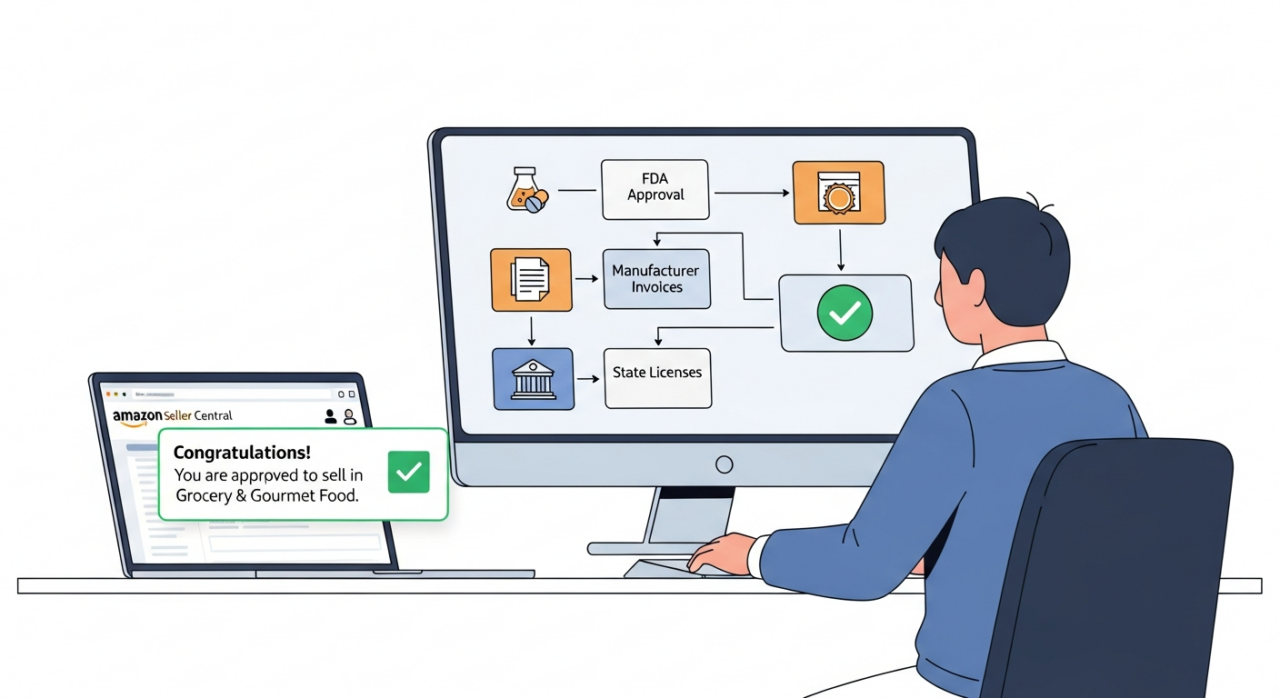
First, you’ll need a Professional Selling Plan. From there, be prepared to provide documentation proving your legitimacy, such as recent purchase invoices from a manufacturer or distributor. This isn’t just about paperwork; it’s about proving you have a professional supply chain.
Beyond Amazon’s own rules, you must comply with all federal, state, and local laws. This means having the proper licenses and approvals from government agencies for the food products you sell. If you’re making specific claims on your packaging, like “organic,” you must have the official certifications to back them up. Skipping this step is a non-starter and can lead to immediate suspension.
2. Nail Your Product and Packaging Standards
Once you’re approved, your focus must shift to product integrity. Amazon’s customers expect high-quality, safe food, and the platform’s standards reflect that. Every food item you sell must be new, correctly prepared, sealed, and packaged to prevent spoilage or damage.
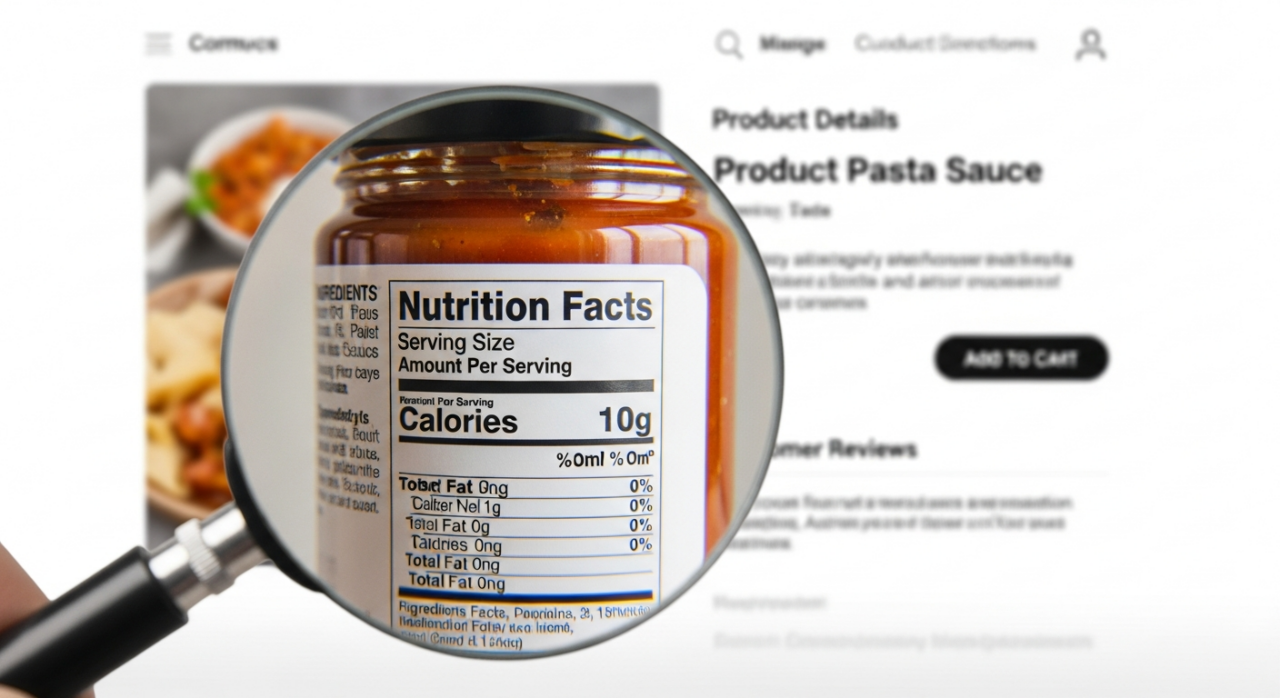
Labeling is particularly critical. Your product labels must be in English and adhere strictly to FDA guidelines. This includes displaying essential information such as:
- The product’s name
- The manufacturer’s or packer’s name and address
- A clear expiration or “best by” date
- A comprehensive nutrition facts panel
Failure to meet these labeling and packaging standards can result in rejected inventory, customer complaints, and potential legal issues.
3. Validate Your “Chill Chain” for Perishables
If you plan to sell refrigerated or frozen items, you must master the “chill chain”—the term for the temperature-controlled supply chain that keeps perishable goods safe from creation to consumption. Amazon requires sellers of these products to formally validate their shipping methods.
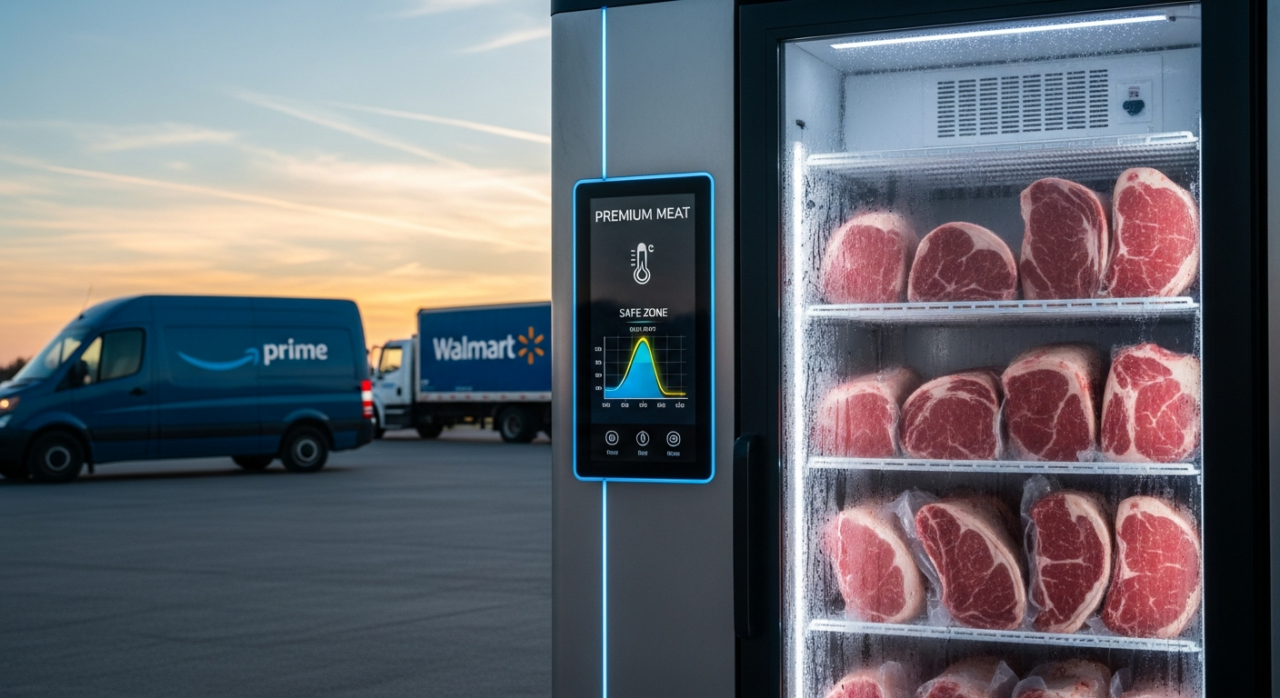
This isn’t as simple as just adding an ice pack to a box. You must prove that your packaging can maintain the required product temperature throughout the entire delivery process, even under “worst-case conditions.” This means simulating scenarios with historically high or low external temperatures for the destination region, combined with the maximum possible delivery time.
Typically, this validation must be performed and certified by an independent external laboratory. They will test your packaging and product to ensure it remains within the safe temperature range, providing the proof Amazon requires. Be aware of other temperature-related policies, too. For instance, “meltable” products like chocolate are generally only accepted in fulfillment centers between October 1st and April 30th to avoid issues during warmer months.
4. Know What’s Off the Menu: Prohibited Products
Finally, it’s just as important to know what you *can’t* sell as what you can. Amazon maintains a strict list of prohibited products, and ignorance of these rules is no excuse.
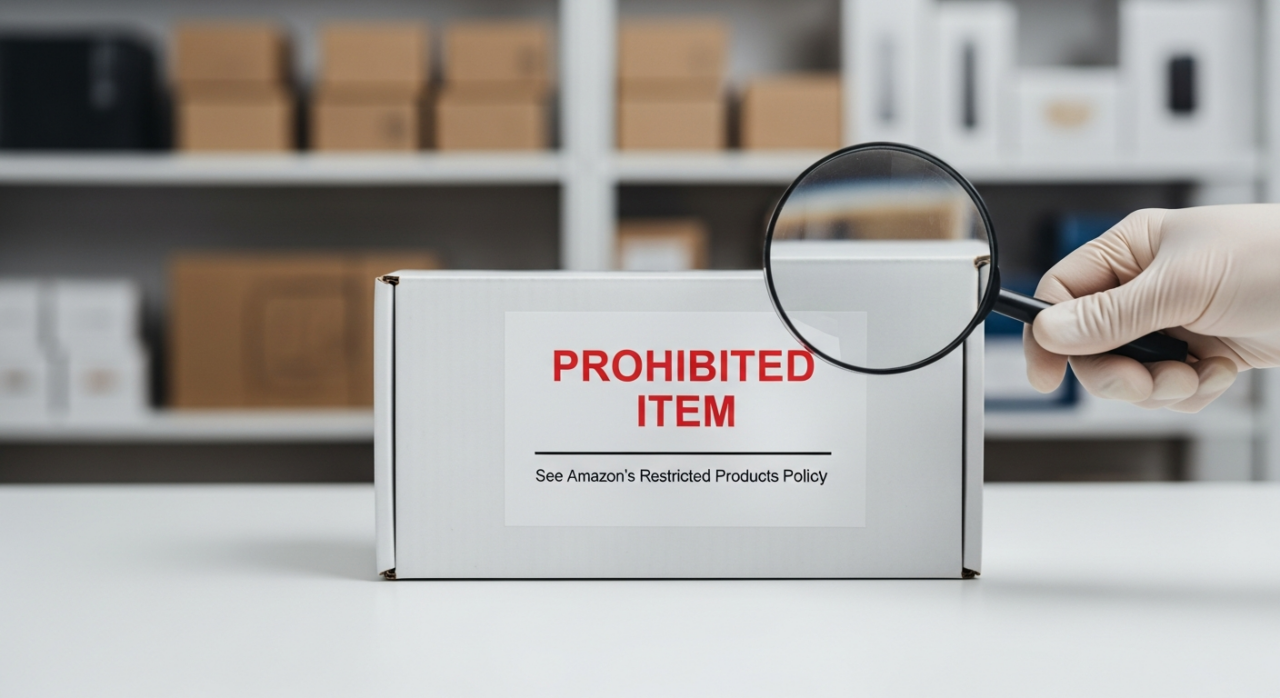
A primary example is the explicit prohibition of marijuana and any products containing cannabidiol (CBD) or tetrahydrocannabinols (THC). This includes edibles like “weed brownies” or CBD-infused snacks. Even if these products are legal in your state, they are strictly forbidden on the Amazon platform. Attempting to get around this with vague labeling is a quick way to get your selling privileges permanently revoked. Always review Amazon’s restricted products policy for the grocery category before sourcing any new item..
YouTube Channel Link: EHP Consulting Group on YouTube
TikTok Profile Link: EHP Consulting Group on TikTok
Written By: Jhan Rose Magbanua
Email: info@ehpconsultinggroup.com
Website: http://www.ehpconsultinggroup.com
Number: 925-293-3313
Date Written: May 17, 2026