 (925) 293-3313
The Walmart Marketplace presents a massive opportunity for e-commerce sellers, but navigating its ecosystem comes with unique challenges. While you’re focused on big-picture growth, a few subtle details can quietly drain your profits and stifle your visibility. If your sales have plateaued or your margins feel tighter than they should be, you might be falling into one of three common pitfalls.
Let’s break down these hidden hurdles and outline the concrete steps you can take to overcome them, turning potential losses into a competitive advantage.

1. Tame the Pricing Beast Before It Bites
Walmart built its brand on “Everyday Low Prices,” and this philosophy is strictly enforced on its marketplace. Failing to maintain competitive pricing isn’t just a missed opportunity; it can get your listings completely removed from sight. Walmart’s automated systems constantly scan for pricing discrepancies, and if you’re on the wrong side of their rules, you’ll face the consequences.
Two key policies can trip you up: the Price Rule, which flags items priced significantly higher than recent listings on Walmart.com or competitor sites, and the Price Parity Rule, which requires your total price (including shipping) to be no higher than on other platforms you sell on.
If the system flags your listing, it can be unpublished entirely, making it invisible to shoppers. In other cases, Walmart might remove the “Add to Cart” button, forcing customers through extra clicks to make a purchase—a near-certain way to lose a sale.

Your Action Plan: Make proactive price monitoring a weekly habit. Don’t wait for the unpublishing notification. Regularly check your pricing against key competitors on and off Walmart. Use the dashboard in your Seller Center to identify any items that have been flagged or unpublished due to pricing issues and adjust them immediately.
2. Unlock Visibility by Mastering Your Listing Quality Score
Are your products buried on page five of the search results? The culprit is likely a low Listing Quality Score (LQS). This 0-100 metric is Walmart’s internal grade for the overall quality of your product page, and it heavily influences how high you rank in search results. A low score means low visibility, which means lost sales.
The LQS isn’t just about one thing; it’s a holistic measure of your listing’s appeal and reliability. It’s broken down into three core areas:
- Content & Discoverability: This is all about the quality of your listing’s foundation. Are your titles optimized (Walmart prefers 50-75 characters)? Do you have at least four high-resolution images? Are your descriptions compelling and your product attributes filled out completely?
- Offer: This component looks at your competitiveness. It evaluates your price, shipping speed and cost, and whether you maintain consistent inventory.
- Post-Purchase Experience: This is determined by your customers. High ratings and reviews, a stellar on-time delivery rate, and a low order defect rate all boost your score.
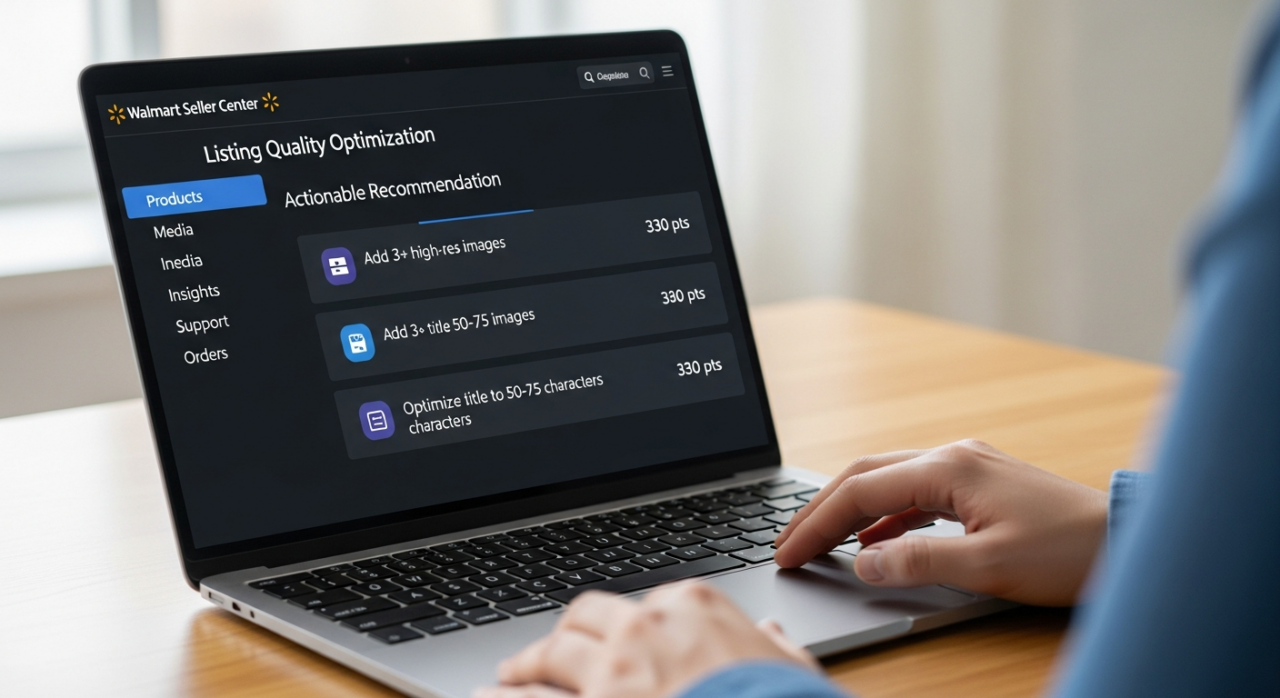
Your Action Plan: Dive into the Listing Quality dashboard in your Seller Center. Walmart provides specific, actionable recommendations for improving the score of each individual SKU. Prioritize fixing your lowest-scoring items first to see the biggest impact on your overall visibility and sales. If you’re struggling to identify the core issues, a free listing audit can provide expert insights.
3. Stop Profit Leaks in Your Returns Process

The returns process is one of the most common places where sellers unknowingly lose money. If you aren’t carefully monitoring your returns and refunds, you could be giving away products and profits without realizing it.
While you are responsible for managing your own returns and must respond to requests within 48 hours, the system has nuances that can work against you. For example, a customer may receive a full refund without ever being required to send the item back, sometimes due to a “Keep It Rule” you may have set. More critically, a customer might be refunded automatically but fail to ever ship the returned item.
If you don’t catch these discrepancies, that money is gone for good. Walmart provides a 45-day window for you to file a dispute for an incorrect refund, but the key is that you have to initiate it.
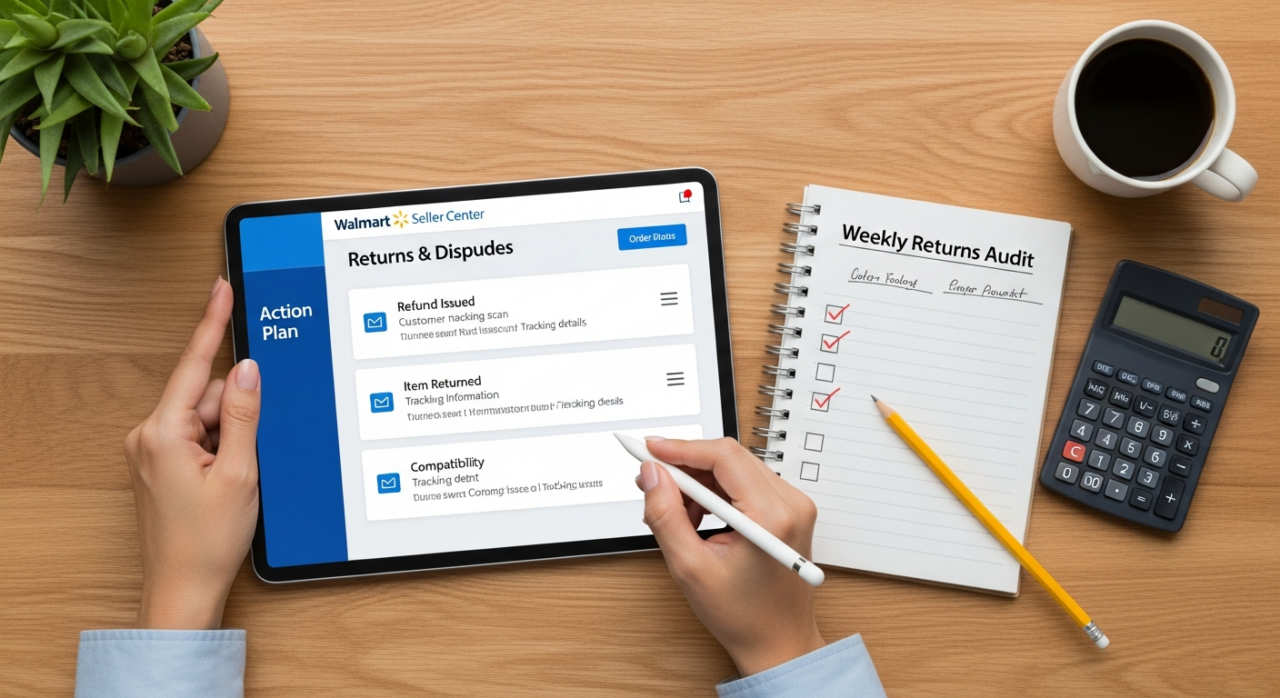
Your Action Plan: Schedule time every week to audit your returns dashboard. Scrutinize every refund and cross-reference it with your return tracking information. Was the item actually sent back? If you find a case where a customer was refunded but you never received the product, file a dispute immediately with your supporting evidence. This diligence is not optional; it’s essential for protecting your bottom line.
Mastering these three areas—pricing, listing quality, and returns—is fundamental to long-term success on the Walmart Marketplace. It requires diligence and a proactive approach, but the payoff is a more stable, profitable, and scalable business. Many sellers have achieved significant growth by focusing on these key areas. If you’re ready to stop the profit leaks and optimize your presence, contact us today.
Need Help Growing Your Sales?
We are here to help you scale.
YouTube Channel Link: EHP Consulting Group on YouTube
TikTok Profile Link: EHP Consulting Group on TikTok
Written By: Ahzel P. Miral
Email: info@ehpconsultinggroup.com
Website: http://www.ehpconsultinggroup.com
Number: 925-293-3313
Date Written: July 30, 2026