 (925) 293-3313
Getting Approved to Sell on Walmart Marketplace: Top 5 Reasons for Rejection
Getting approved to sell on the Walmart Marketplace is a major milestone for any e-commerce business, opening the door to a massive customer base. However, Walmart maintains a high standard for its third-party sellers, and the application process is rigorous. Many hopeful sellers are rejected not because their products are poor, but because they fail to meet the platform’s strict operational and administrative requirements. Understanding the common reasons for denial is the first step toward building a successful application with a partner like EHP Consulting Group.
1. Ensure Your Business Information is Flawless
The most frequent and preventable reason for rejection is inconsistent business information. Walmart’s verification process is automated and meticulous, cross-referencing your details with federal and state databases. Any discrepancy, no matter how small, will raise a red flag and likely lead to denial.

Before you apply, conduct a thorough audit of your official documents. Your legal business name, registered address, and phone number must be identical across your Employer Identification Number (EIN) letter, business registration documents, W-9 form, and bank account details. A common mistake is using a slight variation of a business name or a different address. Remember, Walmart requires a registered business entity with a valid Business Tax ID (EIN); applications using a Social Security Number are not accepted. Double-check every field for accuracy during data entry to ensure a smooth verification process, or consider using professional services to handle it for you.
2. Demonstrate Your E-commerce Track Record
Walmart Marketplace is not an entry-level platform for new sellers. It prioritizes applicants who have a proven history of success in online retail. During the application process, you will be asked to provide evidence of your experience on other marketplaces like Amazon, Shopify, or eBay.

Walmart wants to see that you understand the fundamentals of e-commerce, from inventory management and order processing to customer service. While there’s no official public revenue threshold, it’s widely understood that the platform favors established sellers with a significant and successful sales history, as shown in our case studies. If you are a brand-new seller, it may be more strategic to build a strong track record on other platforms before applying to Walmart.
3. Curate a High-Quality Product Catalog
The products you plan to sell are under intense scrutiny. Walmart is focused on expanding its selection with quality items that serve its customers, not simply adding more of what it already has. Your application can be denied if your catalog is low-quality or doesn’t align with Walmart’s strategy.
First, ensure your products are not on Walmart’s Prohibited Products Policy list. Second, Walmart requires all products to have valid, GS1-certified UPC/GTINs. Using recycled or invalid codes is a guaranteed path to rejection. Beyond compliance, consider your product-market fit. Sellers offering unique items that fill a gap in Walmart’s current offerings have a much higher chance of approval. Finally, prepare to meet high standards for your listings. Walmart evaluates your product presentation using a “Content Quality Score,” which analyzes titles, descriptions, images, and key attributes. Utilizing tools like Helium 10 or Jungle Scout can help optimize your listings. A well-prepared, professional catalog signals that you are a serious and capable seller, and you can get a free listing audit to see where you stand.
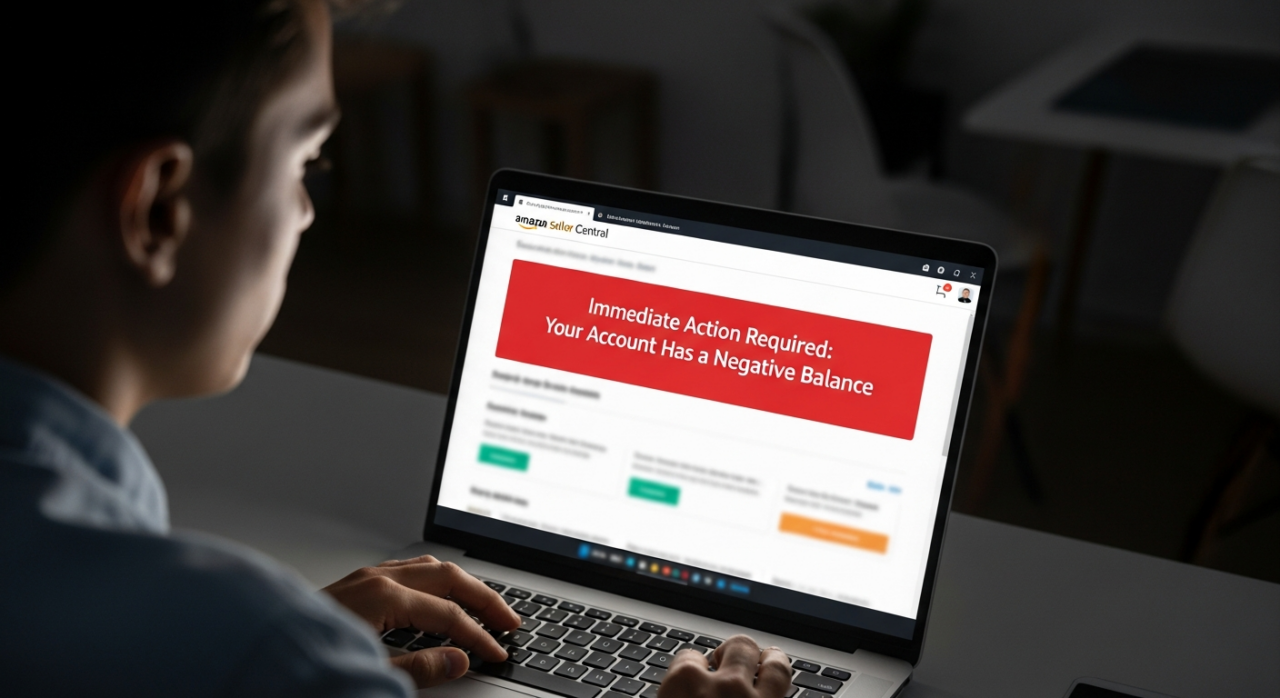
4. Prove Your Fulfillment and Shipping Capabilities
A key pillar of the Walmart brand is reliable and fast fulfillment. To be approved, you must demonstrate that you have a logistics system capable of meeting customer expectations. The primary requirement is a B2C warehouse located in the United States that can ship orders and process returns. For a deeper dive, check out our video on the topic.

If you don’t operate your own U.S.-based warehouse, you still have options. You can leverage Walmart Fulfillment Services (WFS), the platform’s own logistics solution, which handles storage, picking, packing, and shipping. Alternatively, you can partner with an approved third-party logistics (3PL) provider. Whichever route you choose, you must prove you have a dependable fulfillment plan in place. Simply stating you will drop-ship from an unreliable source or from outside the U.S. is not sufficient and will likely result in your application being denied.
5. Know How to Appeal a Rejection
If your application is denied, it doesn’t have to be the end of your journey with Walmart. The platform has a formal appeals process that allows you to address the issues that led to the rejection. Our clients’ testimonials often highlight our success in this area.
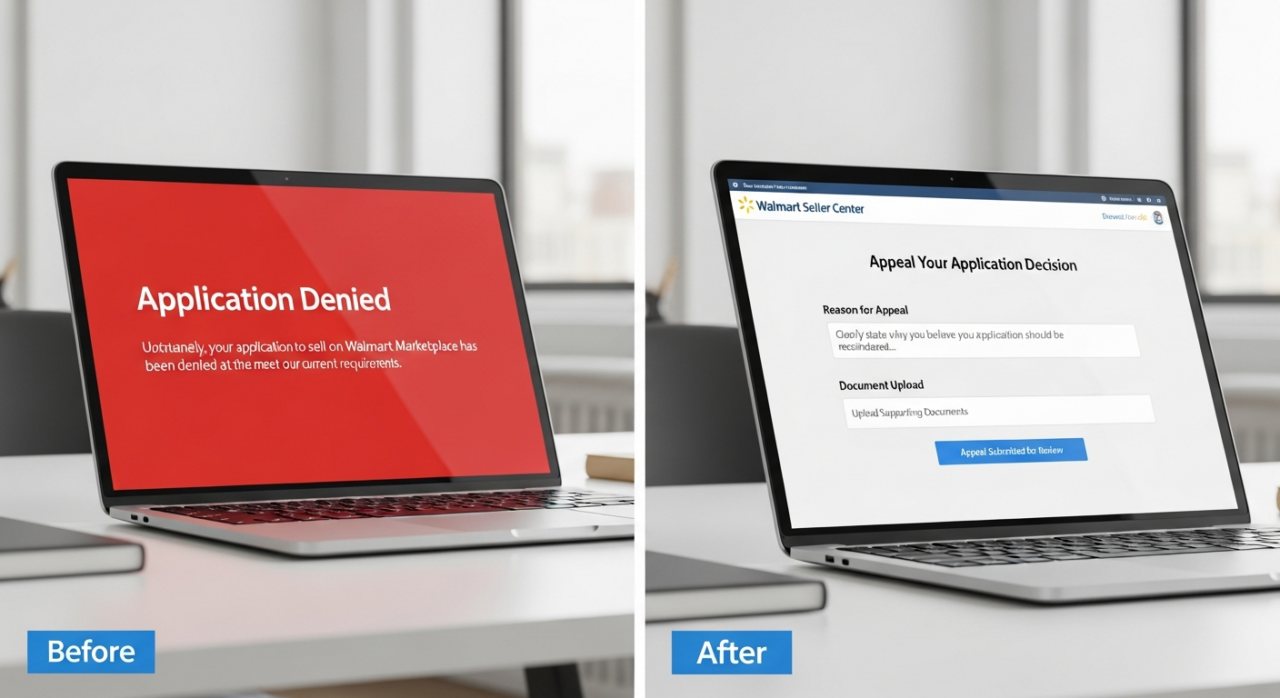
To start an appeal, log in to the Walmart Seller Center and navigate to the “Help” section. From there, you can find the appropriate channel to submit your case. The key to a successful appeal is to directly address the specific reasons for your denial. For example, if you were rejected for inconsistent business information, you must provide the corrected, matching documents. A vague appeal without rectifying the core problem will be unsuccessful. Be precise, provide accurate information, and clearly demonstrate that you have resolved the initial issue. If you need help with this process, don’t hesitate to contact us.
Need Help Growing Your Sales?
We are here to help you scale.
Written By: Liezel Felisilda
📺 YouTube: EHP Consulting Group on YouTube
🎵 TikTok: EHP Consulting Group on TikTok
Email: info@ehpconsultinggroup.com
Website: www.ehpconsultinggroup.com
Number: 925-293-3313
Date Written: August 7, 2026