 (925) 293-3313
Selling on eBay is a competitive game. With millions of sellers vying for attention, how do you gain an edge? The answer often lies in understanding what your most successful competitors are doing right. Instead of guessing which products will sell or what prices will work, you can use data to make informed decisions. This is where strategic competitor analysis comes in, and powerful tools can give you a behind-the-scenes look at the market.
One such tool that has gained traction is Zik Analytics, a platform designed to help you analyze sales data on eBay. As highlighted by Josh Hackett, CEO of EHP Consulting Group, a firm dedicated to helping e-commerce sellers thrive, using a tool like this is akin to “spying” on your competition—ethically, of course. It’s about uncovering the patterns and strategies that lead to success and applying those insights to your own business, a process detailed in many successful case studies. Let’s break down how you can use this approach to boost your eBay sales.
1. Uncover Your Competitors’ Sales Data
The first step to outmaneuvering the competition is understanding their performance. Specialized tools allow you to look up any eBay seller by their username and pull up a dashboard of their key metrics. You can see their total revenue over a specific period, the number of active listings they have, how many items they’ve sold, and their overall sell-through rate.
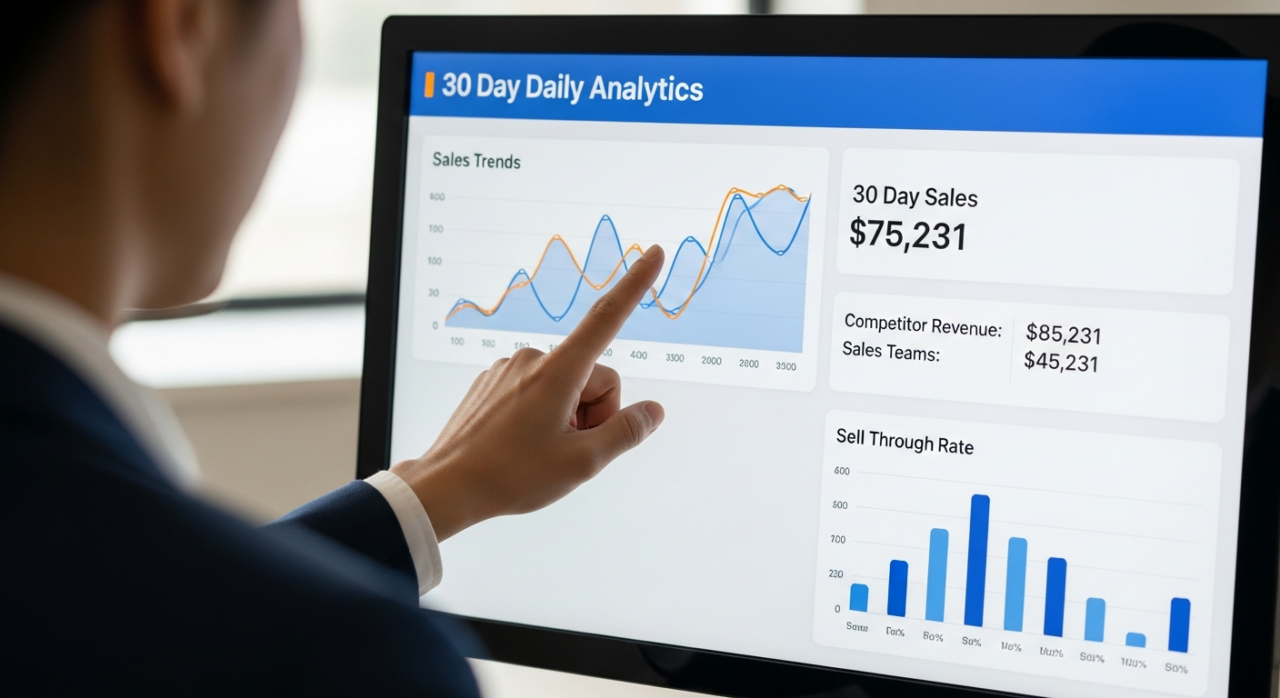
While this data provides a powerful snapshot, it’s best viewed as a highly accurate estimate. These tools process vast amounts of public eBay data to calculate these figures, giving you a clear direction on who the top players are and the scale of their operation. Seeing that a competitor sold 500 units of a particular item in the last 30 days is a powerful piece of intel that can guide your own inventory decisions, similar to the successes shared in our client testimonials.
2. Pinpoint Profitable Products
Once you’ve identified a few successful competitors, you can dive deeper to see exactly *what* is driving their sales. The most valuable feature of competitor analysis is the ability to see a seller’s best-selling items. You can filter their sold listings to identify products with high demand and consistent sales velocity.

This process eliminates guesswork. Instead of scrolling endlessly through eBay searching for product ideas, you can analyze a store that is already succeeding in your niche. Are they selling a specific brand of electronics? A particular style of vintage clothing? A hard-to-find collectible? By identifying these winning products, you can research whether you can source them yourself at a competitive price, effectively tapping into a proven market.
3. Refine Your Listing Strategy
Finding a great product is only half the battle; you also have to list it effectively. Analyzing your competitors’ top-performing listings gives you a blueprint for success. Pay close attention to their titles, as they are crucial for search visibility. Tools like Zik Analytics often include a title builder that helps you incorporate high-traffic keywords used by your rivals.
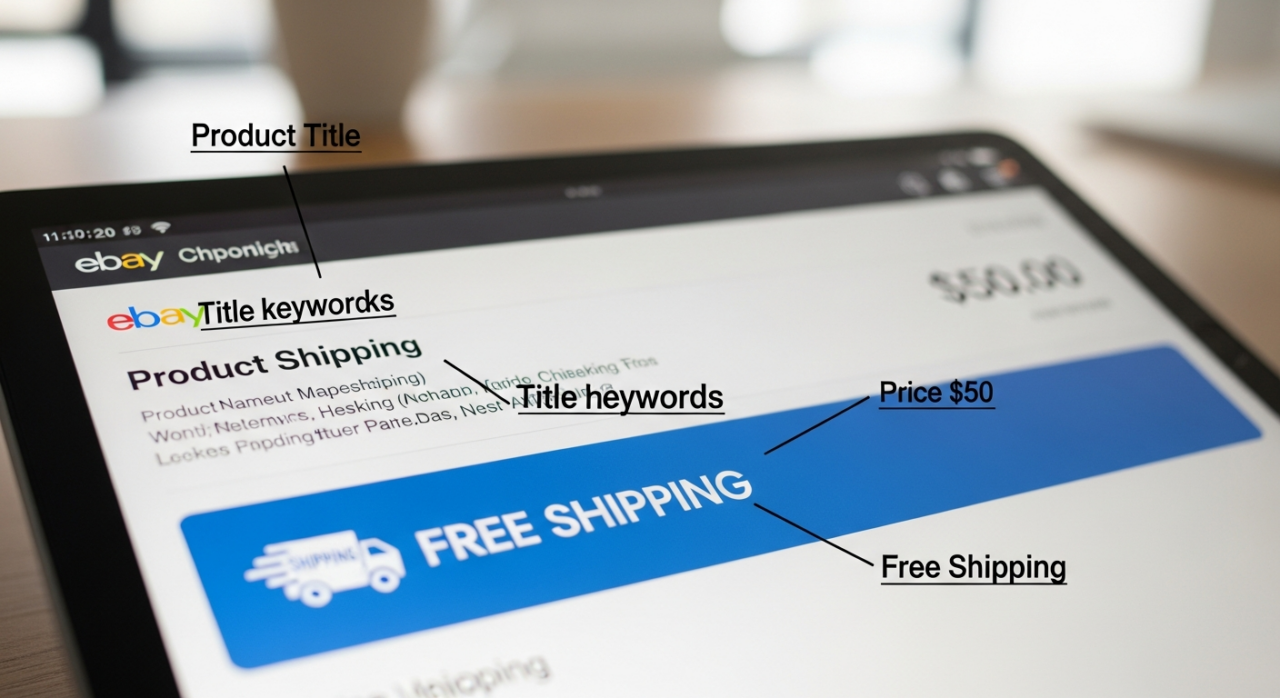
Look beyond the title. What pricing strategy are they using? Are they offering free shipping? What is the quality of their photos? How do they structure their item descriptions? By dissecting the anatomy of a successful listing, you can identify weaknesses in your own and make data-backed optimizations to improve your click-through and conversion rates. A free listing audit can be a great place to start.
4. Streamline Your Sourcing and Dropshipping
For sellers who use a dropshipping model, the workflow doesn’t end with finding a popular product. The next critical step is finding a reliable supplier. Many e-commerce research tools integrate this need into their platform. After identifying a hot-selling item on eBay, the software can help you find potential suppliers on platforms like AliExpress or other wholesale sources. This feature bridges the gap between research and execution, saving you hours of manual sourcing work and helping you quickly add in-demand products to your store.
5. Compare with eBay’s Native Tools
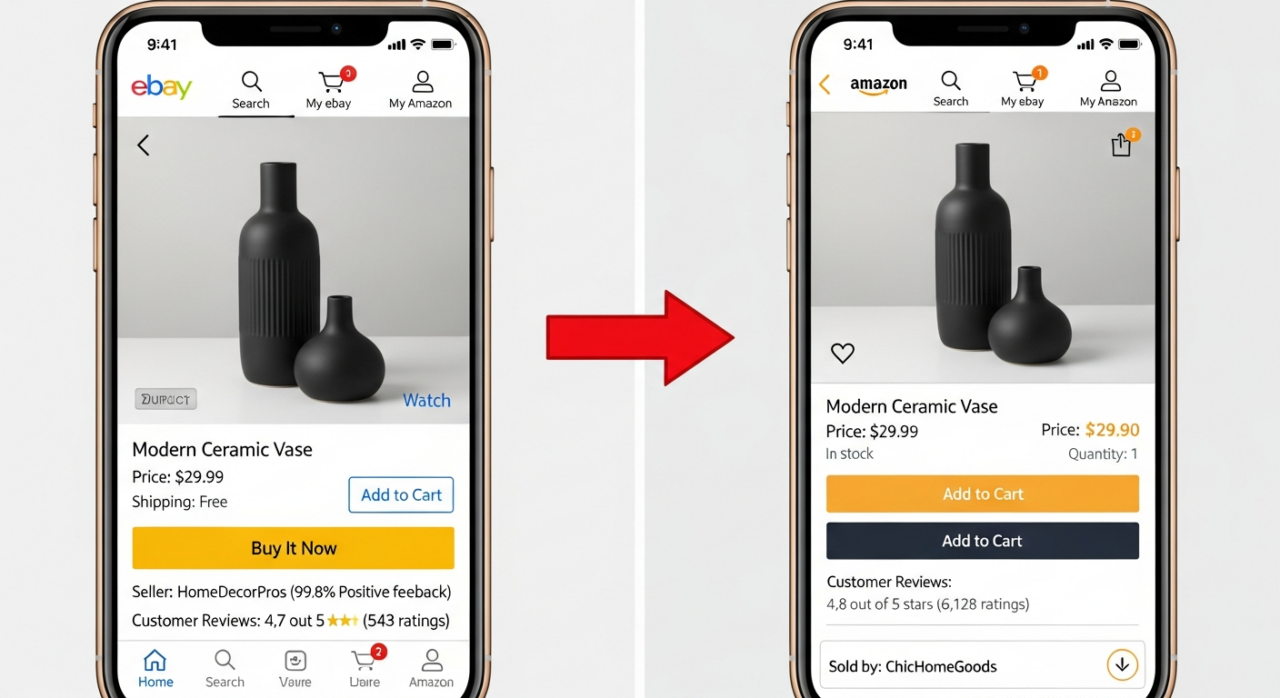
It’s important to note that eBay itself provides sellers with valuable research tools directly within the Seller Hub. Resources like Terapeak offer robust market analysis based on real eBay sales data, allowing you to research price trends, sales volumes, and sourcing opportunities for free.
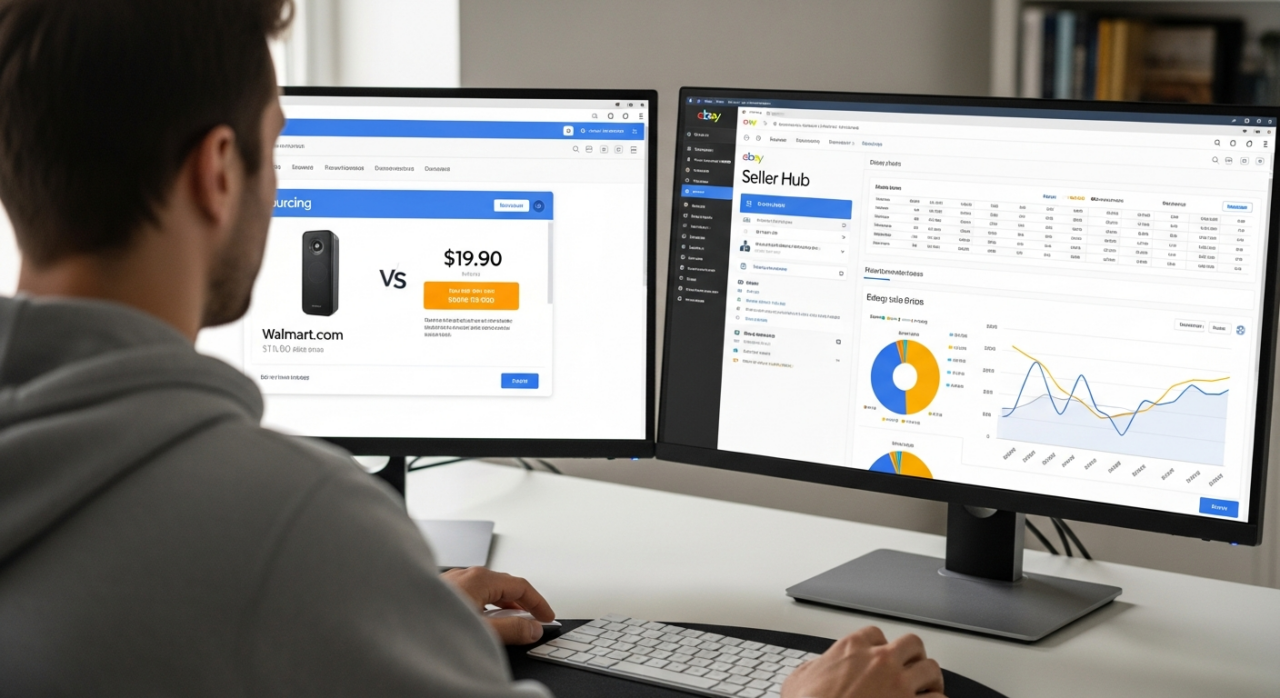
So, why consider a third-party tool? While eBay’s built-in options are powerful, specialized platforms like Zik Analytics are often designed for a more streamlined competitor-first workflow. They focus on making it simple to zero in on a specific seller and quickly deconstruct their entire business model, from top products to pricing strategies. Many sellers find success using a combination of both—leveraging eBay’s free tools for broad market research and a paid tool for deep-dive competitive analysis.
Ultimately, growing your eBay business requires moving from intuition to information. By systematically analyzing what works for the top sellers in your niche, you can reduce risk, save time, and build a more predictable and profitable online store. Explore our e-commerce courses to learn more, or contact us to get started. Getting started is often low-risk, with many platforms offering a trial period to test the features for yourself.
Need Help Growing Your Sales?
Written By: Liezel Felisilda
📺 YouTube: EHP Consulting Group on YouTube
🎵 TikTok: EHP Consulting Group on TikTok
Email: info@ehpconsultinggroup.com
Website: www.ehpconsultinggroup.com
Number: 925-293-3313
Date Written: October 2, 2026