 (925) 293-3313
The digital shelf space is expanding, and for e-commerce entrepreneurs, Walmart Marketplace represents a massive, largely untapped frontier. With millions of loyal customers, it offers a powerful alternative and complement to other major platforms. However, getting approved to sell isn’t a simple sign-up; Walmart is selective, seeking established businesses that can deliver a top-tier customer experience from day one.
If you’re ready to tap into this lucrative sales channel, this guide breaks down the essential steps and strategies to get your business approved and set up for success on Walmart Marketplace.
1. Solidify Your Business Credentials
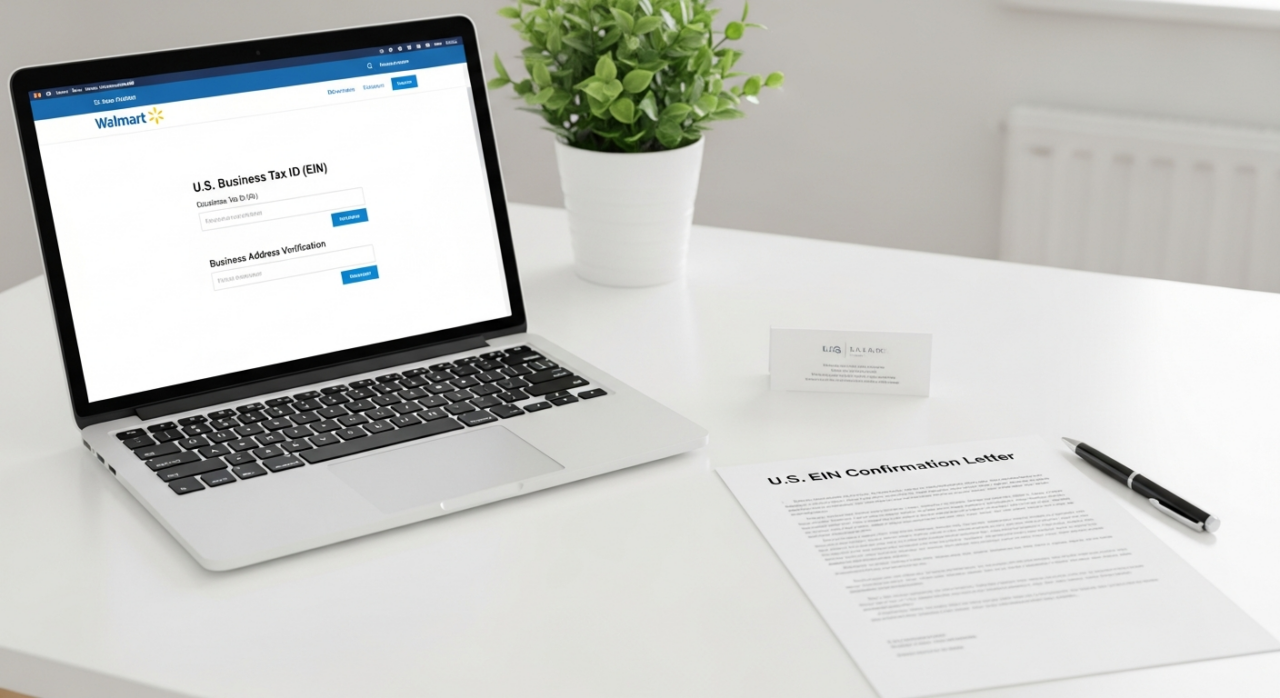
Before you even begin the application, Walmart needs to see that you are a legitimate, established business operating in the United States. This is a non-negotiable first step. You must have a U.S. Business Tax ID, specifically an Employer Identification Number (EIN). Social Security Numbers are not accepted for this purpose, signaling that Walmart is looking for incorporated entities, not individual side-hustles. Be prepared to provide supporting documentation, such as your EIN confirmation letter from the IRS or articles of incorporation, to verify your business name and physical address.
2. Showcase Your E-commerce Experience
Walmart isn’t a testing ground for new sellers. They want partners with a proven history of online sales and customer satisfaction. During the application process, you’ll need to demonstrate your track record of success on other platforms. This could be a well-established Shopify store, a successful history on Amazon, or a strong presence on eBay. The goal is to prove you understand the fundamentals of e-commerce, from inventory management to customer service, and can handle the volume and expectations of the Walmart customer base.

3. Prepare a Compliant Product Catalog
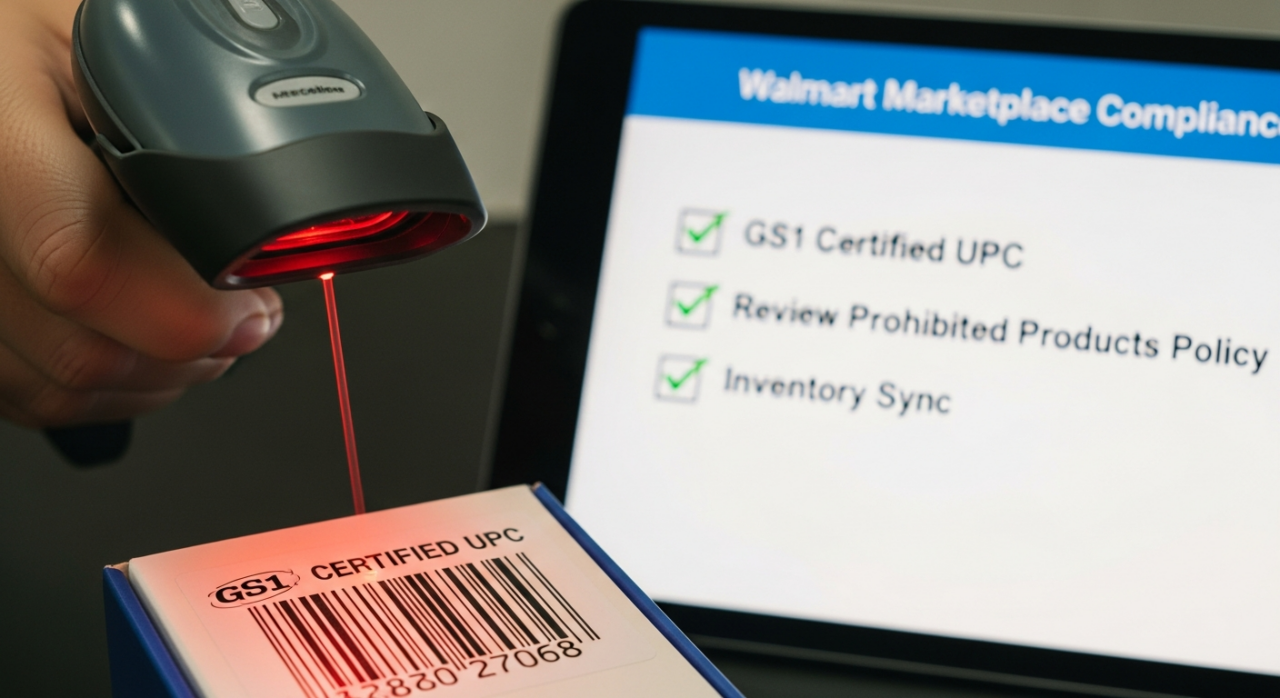
Your products are the core of your business, and they need to meet Walmart’s strict standards. Every item in your catalog must have a valid GS1-certified UPC or GTIN. If you’ve been using third-party or resold codes on other marketplaces, you will need to acquire official ones. Furthermore, take the time to thoroughly review Walmart’s Prohibited Products Policy. Ensure your entire catalog is compliant to avoid immediate rejection or future account suspension. Having this organized before you apply will streamline the onboarding process significantly.
4. Establish Your U.S. Fulfillment Plan
How you get products to customers is critical. Walmart requires sellers to have a reliable fulfillment solution based in the United States. You have two primary options. The first is to manage your own fulfillment from a U.S.-based warehouse, handling all picking, packing, and shipping, as well as returns. The second, and often more scalable option, is to use Walmart Fulfillment Services (WFS). Similar to Amazon’s FBA program, WFS allows you to store your inventory in Walmart’s fulfillment centers, and they handle the logistics, shipping, and customer service for you.

5. Navigate the Application Process
Once your documentation, catalog, and fulfillment plan are in order, you can begin the application on the Walmart Marketplace website. Be meticulous and ensure all the information you provide is accurate and consistent across all your documents. The approval process can take anywhere from one to four weeks. During this time, Walmart’s team will verify your business details and may reach out for additional information. Any inconsistencies can cause delays or lead to rejection, so double-check everything before submitting. If you aren’t approved initially, you may have an opportunity to appeal by contacting the seller partner team, but this will likely require providing even more detailed information about your business operations.
6. Leverage Programs for Growth and Visibility
Getting approved is just the beginning. To truly succeed, you need to leverage the tools Walmart provides its top sellers. Strive to earn the Pro Seller Badge, which is awarded for consistent on-time delivery, excellent customer service, and free returns. This badge boosts your visibility and signals trust to customers. Managing these growth levers effectively can be a full-time job, and many sellers turn to specialized services to maximize their potential. If you own your own brand, enroll in the Walmart Brand Portal to protect your intellectual property. Finally, explore Walmart’s advertising solutions to actively promote your products and drive traffic to your listings, often with the help of sophisticated software suites designed for marketplace optimization.
7. Understand and Respect the Platform’s Rules
Operating successfully on Walmart Marketplace means playing by their rules. Be mindful of your pricing; Walmart is known for its value and expects its sellers to offer competitive prices. Pay close attention to your seller performance metrics, as failure to meet standards for shipping times, order defect rates, and customer response times can lead to account suspension. It’s also wise to avoid selling products that directly compete with Walmart’s popular private-label brands, like Great Value, as this can be a factor in application rejection. For professional guidance through this complex landscape, feel free to contact us.

Need Help Growing Your Sales?
We are here to help you scale.
Written By: Joshua Hackett

Sponsored By: Walmart
Email: [email protected]
Website: www.ehpconsultinggroup.com
Phone: 925-293-3313
Date Written: January 25th 2026