 (925) 293-3313
That “Return Initiated” notification can make any eBay seller’s heart sink.

But it doesn’t have to be a source of stress or lost profit. Handling returns is a core part of running a successful online store. With a smart strategy, you can manage them like a pro, protecting your seller metrics, your bottom line, and your sanity.
Forget guesswork and frustration. We’ve broken down the essentials into four straightforward strategies to help you master the eBay returns processonce and for all.
1. Know the Golden Rule: Who Pays for Shipping?
The first question in any return is always, “Who’s paying for the label?” The answer is simple and depends entirely on the reason the buyer selected for the return.
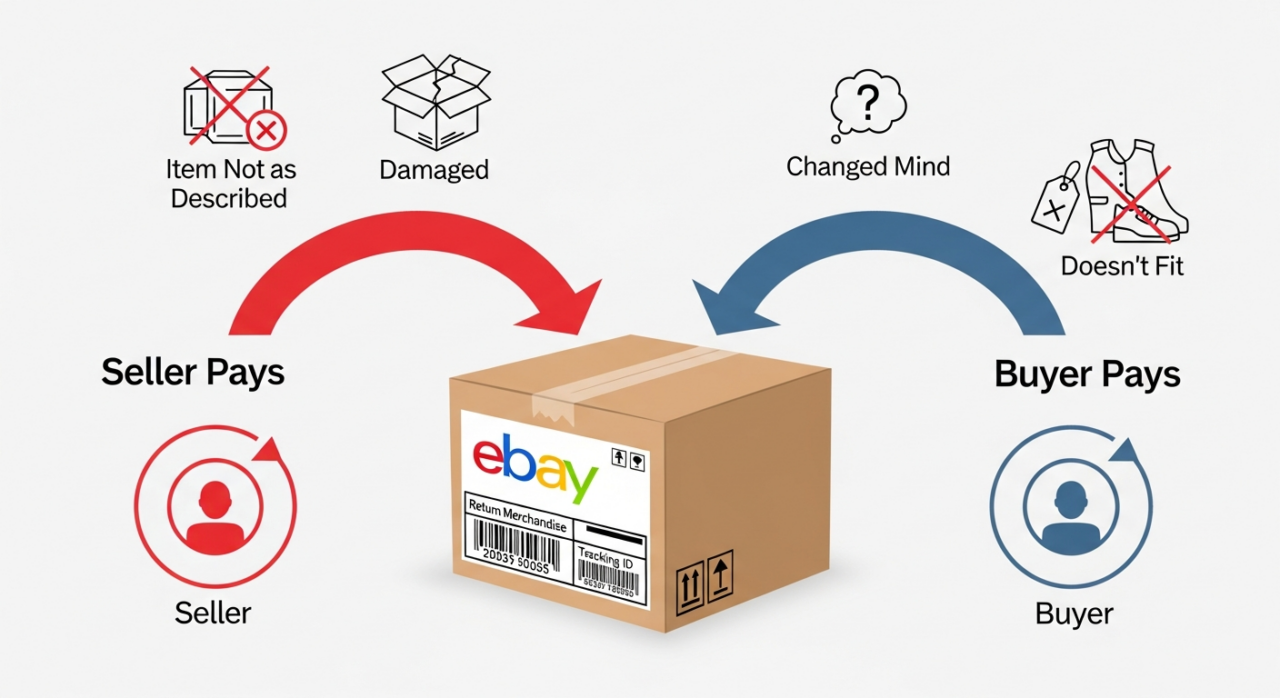
The most important rule to remember is this: if the reason for the return is something the seller is responsible for, the return shipping cost is on you. This includes claims that the item was not as described, damaged in transit, or defective. This is a non-negotiable part of the eBay Money Back Guarantee, and it overrules any “no returns” policy you may have.
On the other hand, if the buyer has a change of heart—a “remorse” return—they are typically responsible for the shipping cost. This covers reasons like they changed their mind, it didn’t fit, or they simply didn’t like it. Of course, you can always choose to offer “free returns” as a customer service perk, in which case you would cover the shipping for any reason. Understanding this fundamental distinction is the first step to managing return-related costs effectively.
2. Beat the Clock: Master the 3-Day Response Window
When a buyer opens a return request, a countdown timer starts. eBay gives you three business days to respond to the request in your Seller Hub. This is one of the most critical deadlines in the entire process.
Ignoring a request is not an option. If you fail to respond within that three-day window, eBay can step in and resolve the case on your behalf. This often means they will automatically issue a full refund to the buyer *and* allow them to keep the item. Even worse, this action results in a “case closed without seller resolution,” a serious defect that damages your seller account health. These defects can lower your listings’ visibility in search results and hurt your sales long-term. Protecting your metrics is one of the most important services an account manager can provide, so be sure to get a free listing audit to see how your account is performing. Always respond promptly, even if it’s just to accept the return and provide a label.
3. Defend Your Store: Handling Problem Buyers
While most buyers are honest, you may eventually encounter someone trying to abuse the system. eBay provides tools to protect yourself from fraudulent claims and problematic customers.
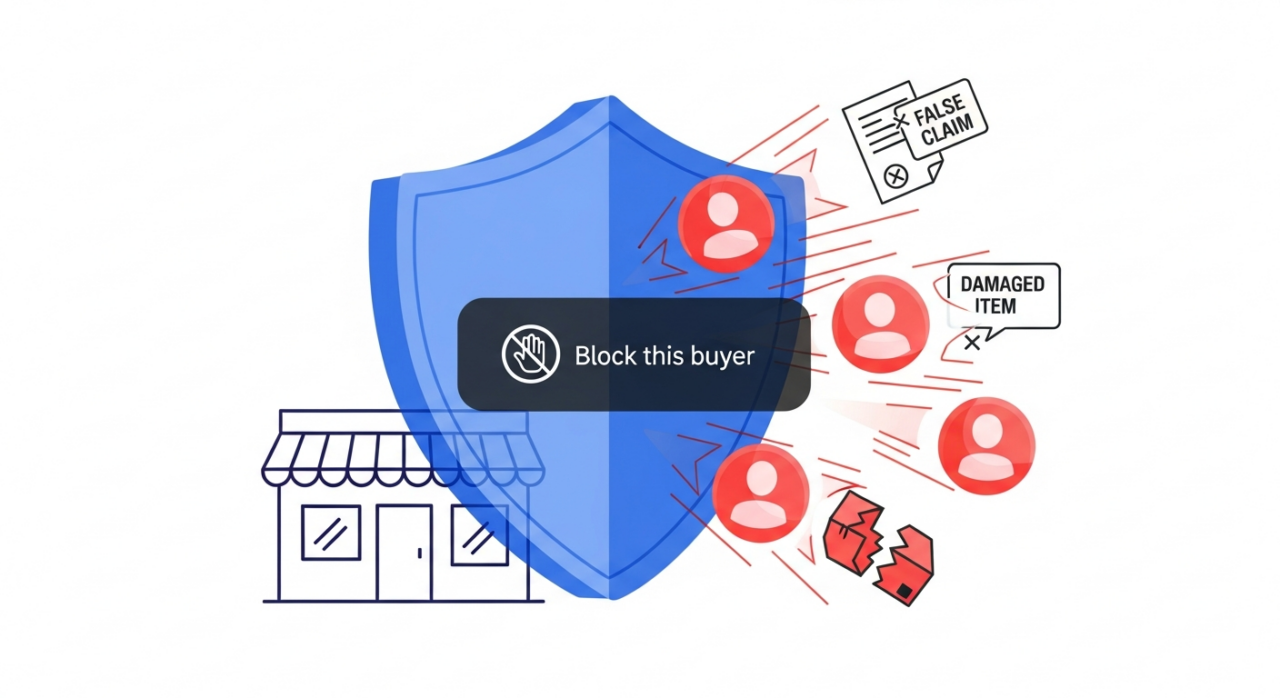
If you believe a buyer is making a false claim (e.g., damaging an item to force a free return), you should still accept the return, but you can—and should—report them to eBay. Use the “Report a Buyer” feature and provide a clear, concise explanation of the issue. You can see a full video breakdown of how to handle these situations. eBay takes these reports seriously, and buyers who repeatedly abuse the Money Back Guarantee can lose their privileges.
For a more permanent solution, you can add problematic users to your blocked buyer list. This prevents them from bidding on or purchasing any of your items in the future. You can block up to 5,000 usernames, creating a powerful shield for your business against known troublemakers. Our case studiesshow just how effective these defensive measures can be.
4. Put It on Autopilot: Streamline Your Process with Automation
Manually handling every return can be time-consuming and risks missing the critical three-day window. This is where eBay’s automation rules become a seller’s best friend. By setting up return preferences in your account settings, you can streamline the entire process.
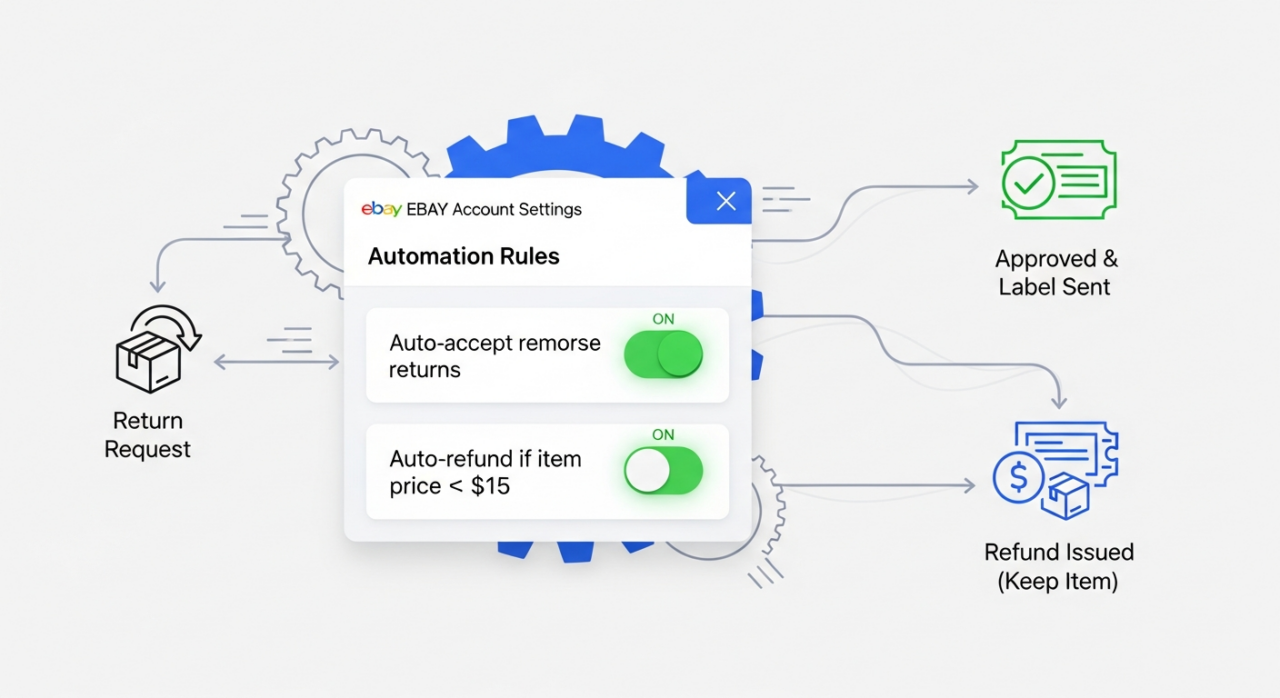
You can create rules to automatically accept returns based on specific criteria, like the return reason or the item’s price. For low-cost items where the return shipping would cost more than the product itself, you can even set up a rule to automatically issue a refund and let the buyer keep the item. This saves you time, money, and the hassle of processing a low-value return. Automation ensures you always respond on time, protecting your account from defects and freeing you up to focus on sourcing and selling. If you need expert help implementing these strategies, feel free to contact us.
“`

Need Help Growing Your Sales?
We are here to help you scale.
Note: Include the buttons at the bottom by using “Custom HTML”(Here)
Written By: Liezel Felisilda
📺 YouTube: EHP Consulting Group on YouTube
🎵 TikTok: EHP Consulting Group on TikTok
Email: [email protected]
Website: www.ehpconsultinggroup.com
Number: 925-293-3313
Date Written: February 4, 2026