 (925) 293-3313
If you’re a Walmart Fulfillment Services (WFS) seller, your inbound shipping process has just undergone a significant transformation. Walmart has rolled out a new, fee-based model for inventory distribution that gives sellers more choice but also requires a new layer of strategic planning. This change moves WFS closer to Amazon’s FBA model and directly impacts your costs and logistics.
Let’s break down what’s new, what it means for your business, and the strategies you can implement to navigate this change effectively.
The Old Way vs. The New Choice
Previously, the WFS process was straightforward: you shipped your inventory to a single fulfillment center designated by Walmart. Walmart then handled the complex task of distributing that inventory across its national network at no additional cost to you.
That system has now been replaced with two distinct options you must choose from when creating a shipping plan:
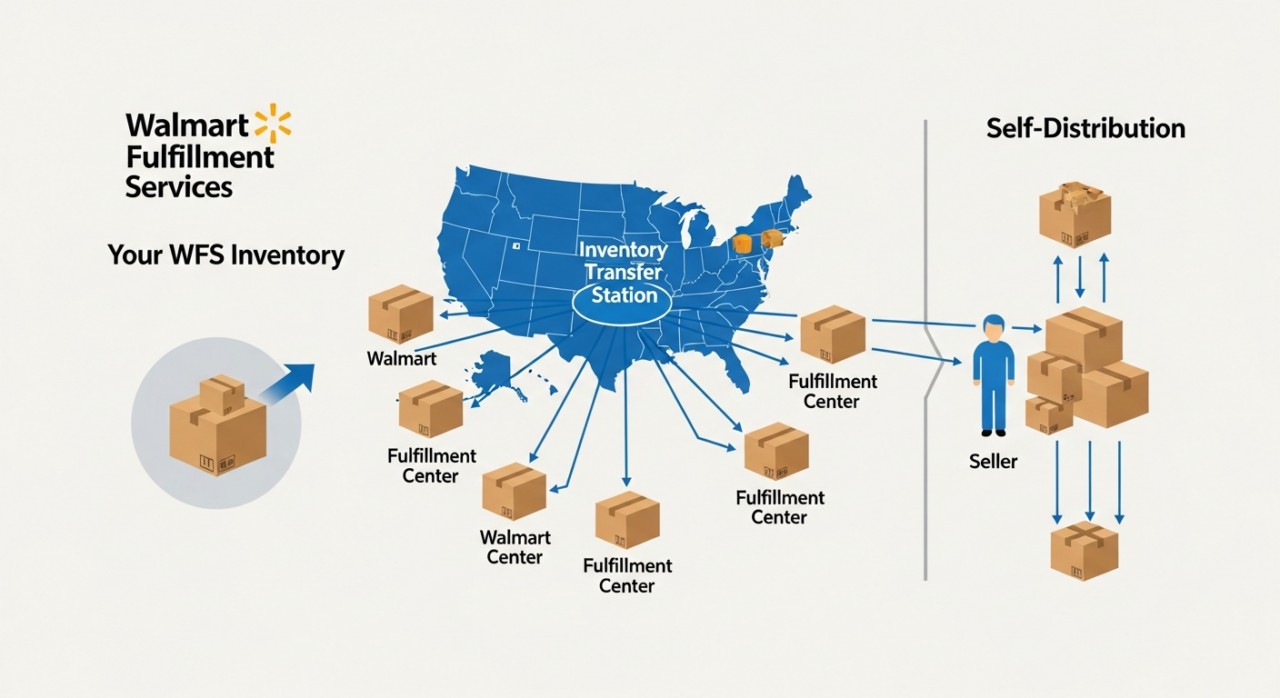
- The Inventory Transfer Service (ITS): You send your entire shipment of sortable goods to a single Walmart “transfer station.” From there, Walmart takes over, breaking down your shipment and distributing the products to various fulfillment centers across the country. This option offers simplicity but comes with a new per-unit fee.
- Self-Distribution: You take on the logistics yourself. Walmart’s system will tell you to split your inventory into multiple shipments and send them directly to several different fulfillment centers. This allows you to avoid the new fees but requires more complex preparation, packing, and tracking on your end.
Understanding the New ITS Fee Structure
Choosing the simplicity of the Inventory Transfer Service means incurring a new distribution fee. This fee is calculated per unit and is based on the item’s shipping weight.
Here is the official fee breakdown:
- 1 lb or under: $0.25 per unit
- Over 1 lb to 2 lb: $0.35 per unit
- Over 2 lb: $0.35 per unit, plus an additional $0.10 for each pound over 2 lbs
For sellers of small, lightweight items, this fee may be minimal. However, for those selling heavier products, these costs can add up quickly and must be factored into your profit margins.

This change puts the financial responsibility for network distribution onto the seller, a model that will feel familiar to anyone who has used Amazon’s FBA Inbound Placement service.
1. Conduct a SKU-Level Cost Analysis
Before you create your next shipping plan, you must do the math. Don’t make a gut decision. Pull a report of your top-selling WFS products and calculate the cost for both scenarios. You can leverage powerful tools like Helium 10 to get the data you need.
- ITS Cost: For each SKU, calculate the per-unit ITS fee based on its weight. Multiply that by your typical shipment quantity to find the total fee.
- Self-Distribution Cost: Get shipping quotes for sending smaller, separate boxes to multiple locations (e.g., California, Texas, and Pennsylvania) versus one large shipment to a single transfer station. Factor in the cost of extra boxes, packing materials, and the labor required to split the shipment.
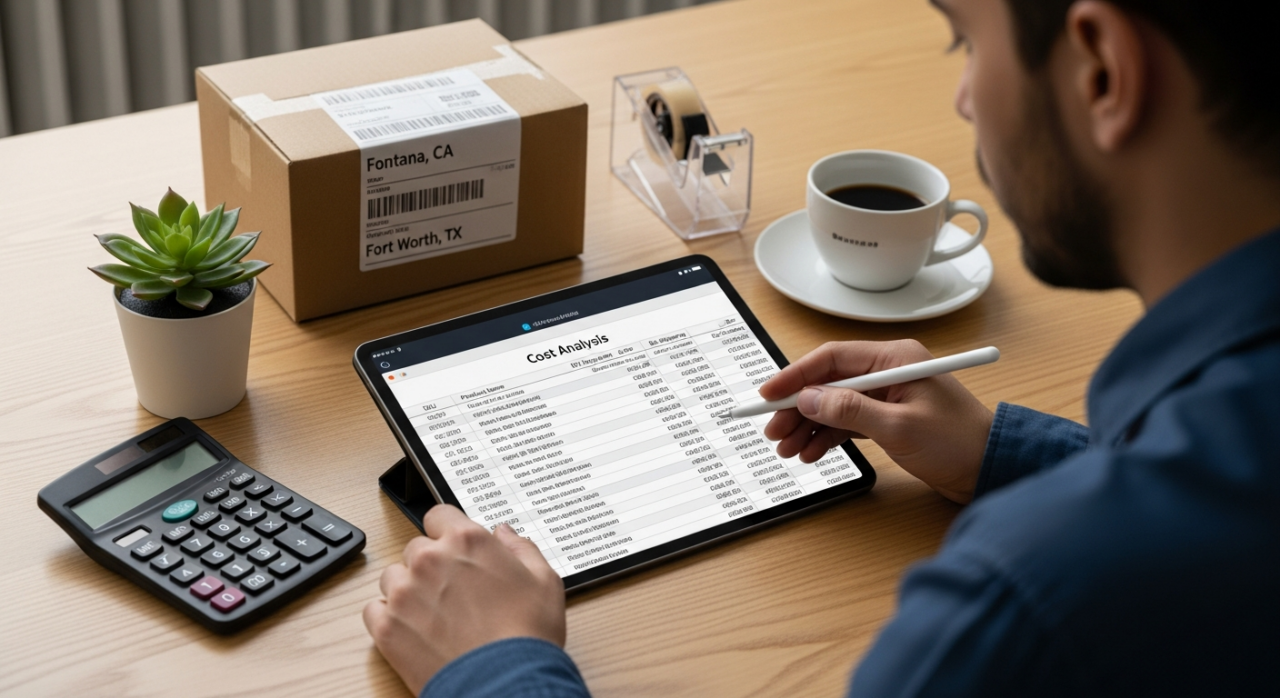
Only by comparing these two totals can you determine the most cost-effective path for your specific products. A free listing audit can help identify which of your products needs the most immediate attention.
2. Re-evaluate Your Product Pricing
This new fee is a direct hit to your product margins. You cannot absorb this new cost without a plan. You now need to account for inbound distribution fees in your pricing strategy, just as you do for fulfillment fees and commissions.
For some products, a small price increase may be necessary to maintain profitability, especially if you plan to use the ITS service regularly. Be transparent in your internal accounting; this is a new, unavoidable cost of doing business on the WFS platform that must be covered.
3. Optimize Packaging to Reduce Shipping Weight
The ITS fee structure is entirely weight-based. This means every single ounce matters. Now is the perfect time to audit your product packaging. Are you using unnecessarily heavy boxes? Can you switch to lighter-weight dunnage or poly mailers?
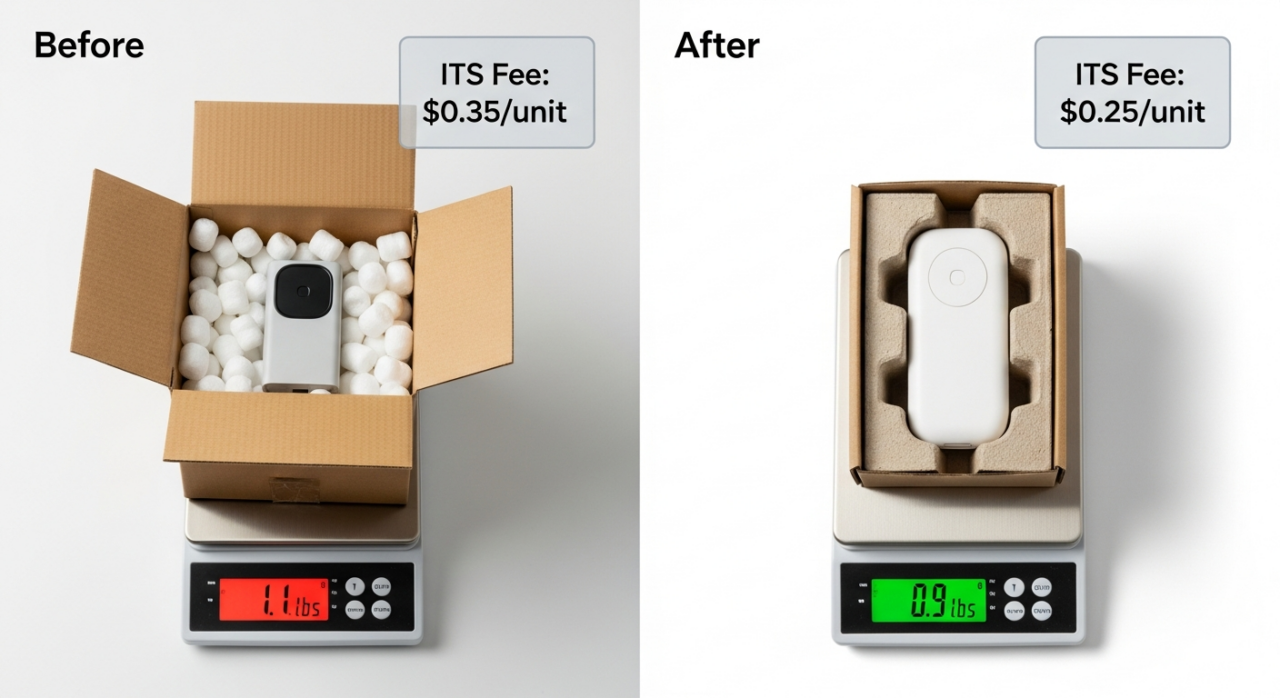
Reducing a product’s shipping weight from 1.1 lbs to 0.9 lbs could save you $0.10 on every single unit sent via the ITS. Multiplied across thousands of units, these savings become substantial and directly counter the new fees.
4. Strengthen Your Inbound Logistics
If your cost analysis shows that self-distribution is the cheaper option, your operational focus needs to shift. Handling multiple outbound shipments requires a more organized and efficient system. Our expert services can help you streamline this process.
Consider using shipping software that can help you manage multi-box shipments easily. Create clear, standardized processes for your team to follow when splitting inventory according to Walmart’s plan. The goal is to minimize the extra labor time required so that the cost savings from avoiding the ITS fee aren’t lost to inefficiency.
5. Re-assess Your WFS Product Catalog
Finally, this change may force a strategic re-evaluation of which products are best suited for WFS. Low-margin products that are also heavy and bulky are hit hardest by the new ITS fees.
It may no longer be profitable to sell certain items through WFS if the inbound distribution costs erase your profit. Analyze your catalog and identify these at-risk products using tools like Jungle Scout. You may decide to fulfill them through a different channel or discontinue them to focus on more profitable SKUs that can easily absorb the new costs.
Ultimately, Walmart’s new inbound shipping policy introduces a new strategic challenge. While no seller welcomes new fees, this change also gives you more control. By carefully analyzing the costs, optimizing your products and processes, and making informed decisions, you can adapt to this new system and maintain a healthy, profitable WFS business. If you need help creating a winning strategy, don’t hesitate to contact us.
Need Help Growing Your Sales?
We are here to help you scale.
Written By: Liezel Felisilda
📺 YouTube: EHP Consulting Group on YouTube
🎵 TikTok: EHP Consulting Group on TikTok
Email: [email protected]
Website: www.ehpconsultinggroup.com
Number: 925-293-3313
Date Written: April 3, 2026