 (925) 293-3313
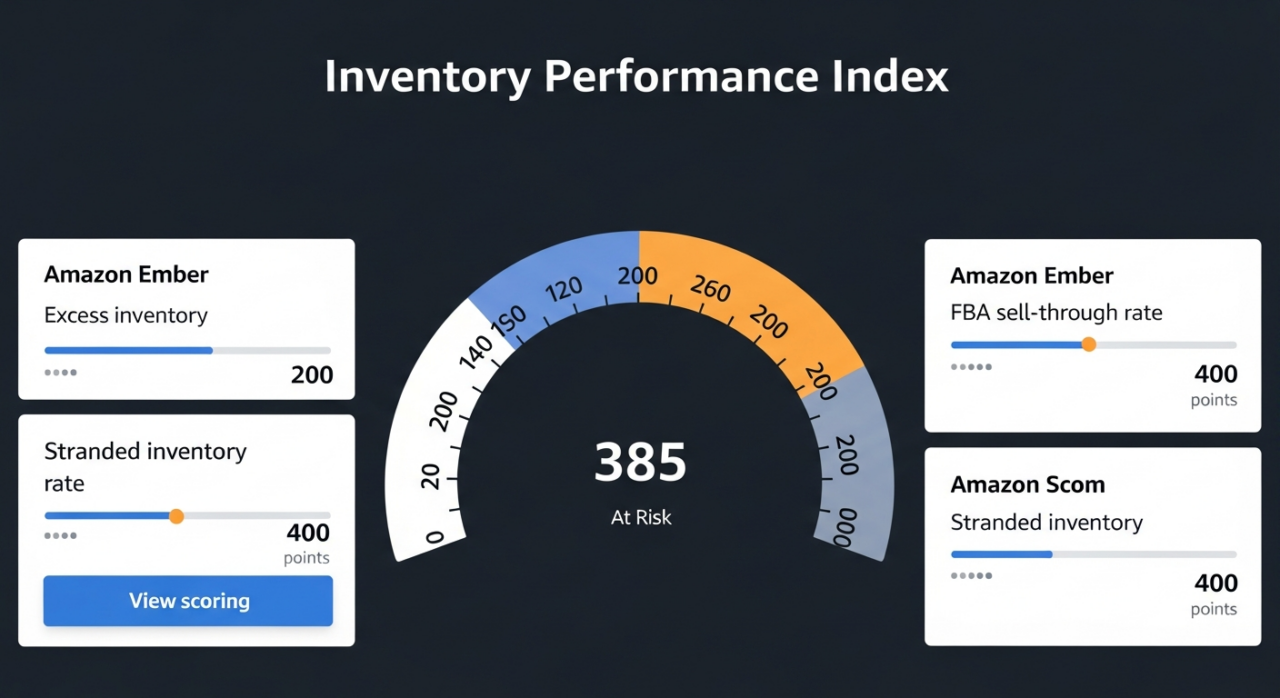
For Amazon sellers, the Inventory Performance Index (IPI) score is more than just a number—it’s the key that unlocks your FBA storage potential. A score below the 400 threshold can lead to frustrating storage limits, throttling your growth. While you can bid for extra space, the most powerful and sustainable path to unlimited storage is mastering the fundamentals of inventory management.
Here are the essential strategies, from immediate fixes to long-term solutions, for boosting your IPI score and taking control of your FBA business.
Bid for More Space with the Capacity Manager
When you’re in a pinch and need more storage immediately, Amazon’s Capacity Manager is your go-to tool. It allows you to request additional storage capacity by placing a bid.
You set a maximum “reservation fee” you’re willing to pay per cubic foot for the extra space. Amazon then grants requests starting from the highest bids until all available capacity is allocated. The good news? If your bid is accepted, you pay the rate of the *lowest* accepted bid, not necessarily your own higher one.
To help offset this cost, you can earn performance credits. For every dollar in sales you generate using that additional capacity, Amazon gives you a $0.15 credit, which can cover up to 100% of your reservation fee. This is a great short-term solution, but the long-term goal should be to improve your IPI score so you don’t have to pay for space.
1. Reduce Excess Inventory
Excess inventory is the number one enemy of a healthy IPI score. Amazon considers any stock with over 90 days of supply to be excess, and it heavily penalizes sellers who let it sit. This inventory ties up your capital and occupies valuable warehouse space.
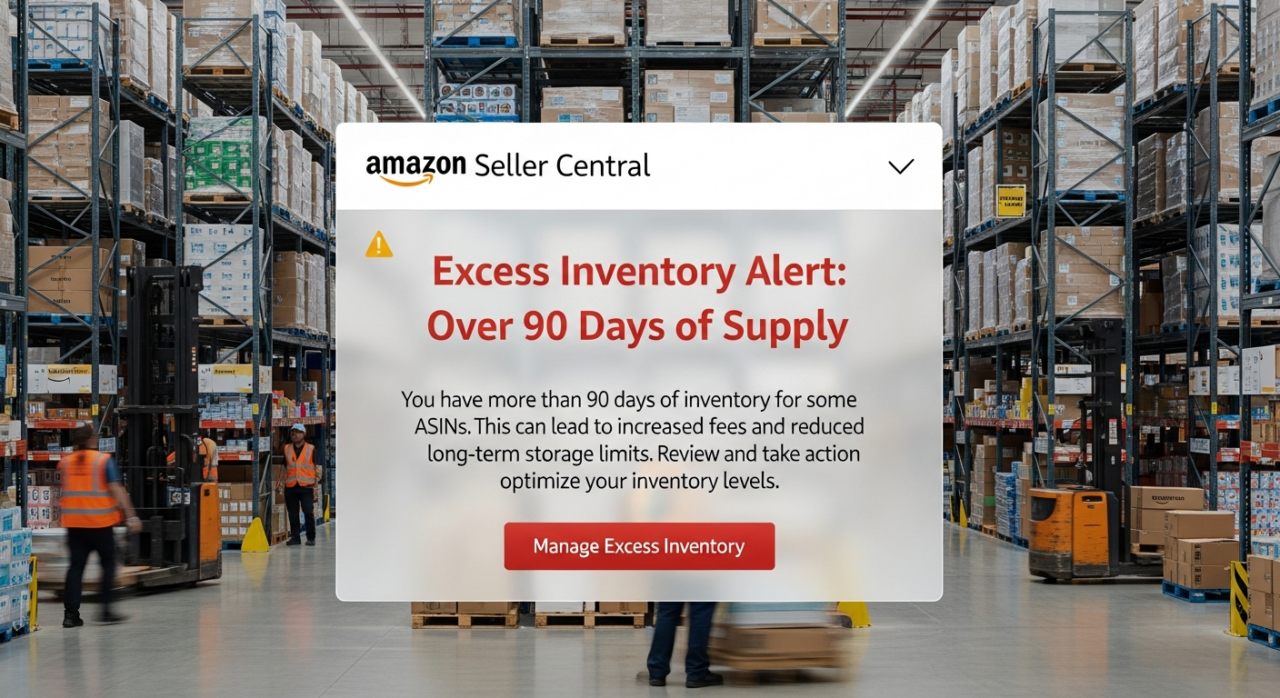
Your first step is to visit the “Manage Excess Inventory” tool in Seller Central. For a deeper analysis, tools like Helium 10 can provide invaluable data. Identify your slow-moving products and take decisive action. Boost their sales velocity by running targeted ad campaigns, offering coupons, or creating a limited-time promotion. Product bundling can also be a creative way to move stagnant stock. If a product simply won’t sell, don’t let it hurt your score any longer. Create a removal order or use the FBA Liquidations program to recover some of your investment.
2. Improve Your FBA Sell-Through Rate
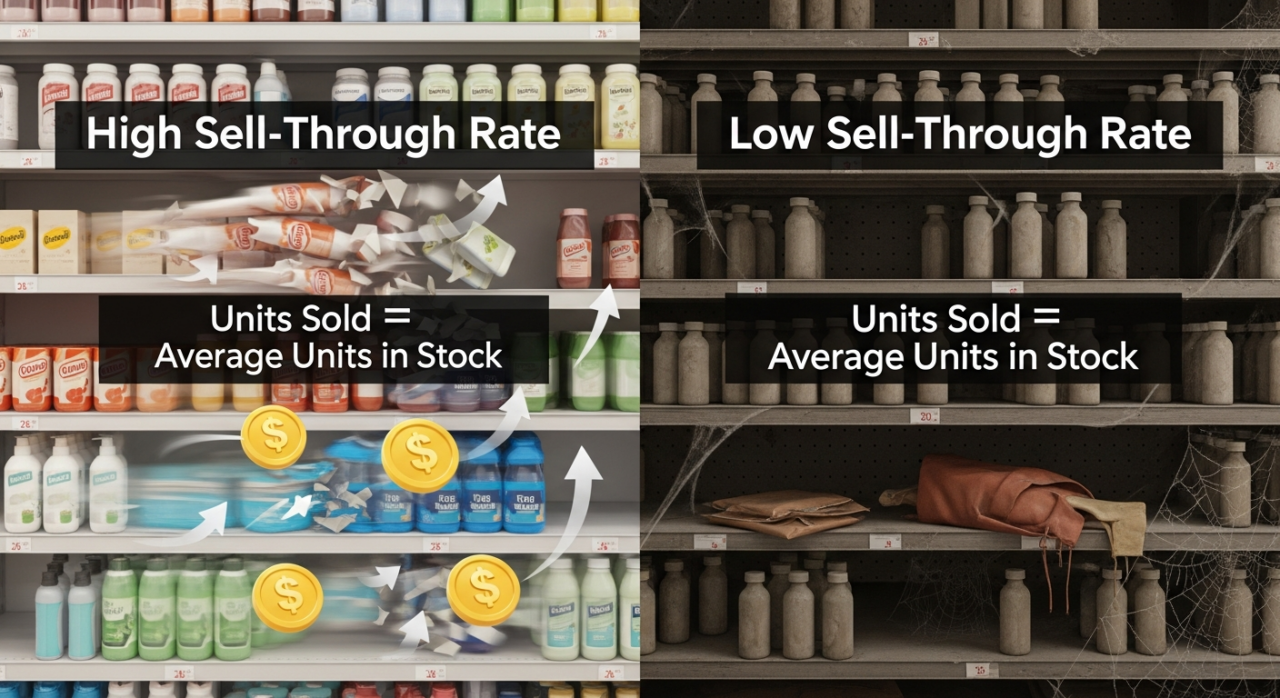
Your FBA sell-through rate is a direct measure of how efficiently you are selling through your stock. It’s calculated by dividing your total units sold in the last 90 days by the average number of units you had in stock over that same period. A high sell-through rate tells Amazon you’re great at matching supply with demand.
To improve this metric, focus on increasing your sales velocity. Start by optimizing your product listings with professional, high-quality images, keyword-rich titles, and compelling descriptions that drive conversions. Implement a competitive pricing strategy to stay attractive to buyers. Finally, leverage Amazon’s promotional tools like Deals and Coupons to create sales spikes and keep your inventory moving.
3. Fix Stranded Inventory
Stranded inventory is a silent IPI score killer. These are units sitting in a fulfillment center that cannot be sold because of a listing issue, such as a pricing error, a suppressed listing, or missing product data. The inventory is physically there, taking up space, but it’s generating zero sales—a worst-case scenario for your IPI calculation.
Make it a weekly habit to check the “Fix Stranded Inventory” page in your dashboard. Amazon will tell you exactly what the problem is and how to fix it. Addressing these issues promptly is one of the easiest and fastest ways to positively impact your inventory health.
4. Maintain In-Stock Inventory for Popular Products
While having a low in-stock rate across all your products doesn’t directly hurt your IPI, consistently stocking out of your best-sellers does. When your most popular products are unavailable, you lose sales. Amazon’s algorithm sees these lost sales as a major negative, which in turn can drag down your IPI score.
Focus on effective demand forecasting for your top-performing ASINs. Analyze your sales data to predict future demand and ensure you have enough stock to prevent a sell-out. Advanced forecasting can be done using software like Jungle Scout. As a general rule, Amazon recommends keeping between 30 and 60 days of supply for your popular products to balance availability with the risk of creating excess inventory.
5. Leverage Amazon Warehousing & Distribution (AWD)
For sellers looking to scale and automate their inventory management, Amazon Warehousing & Distribution (AWD) is a game-changing solution. AWD provides low-cost, long-term bulk storage that acts as an upstream buffer for your primary FBA inventory.
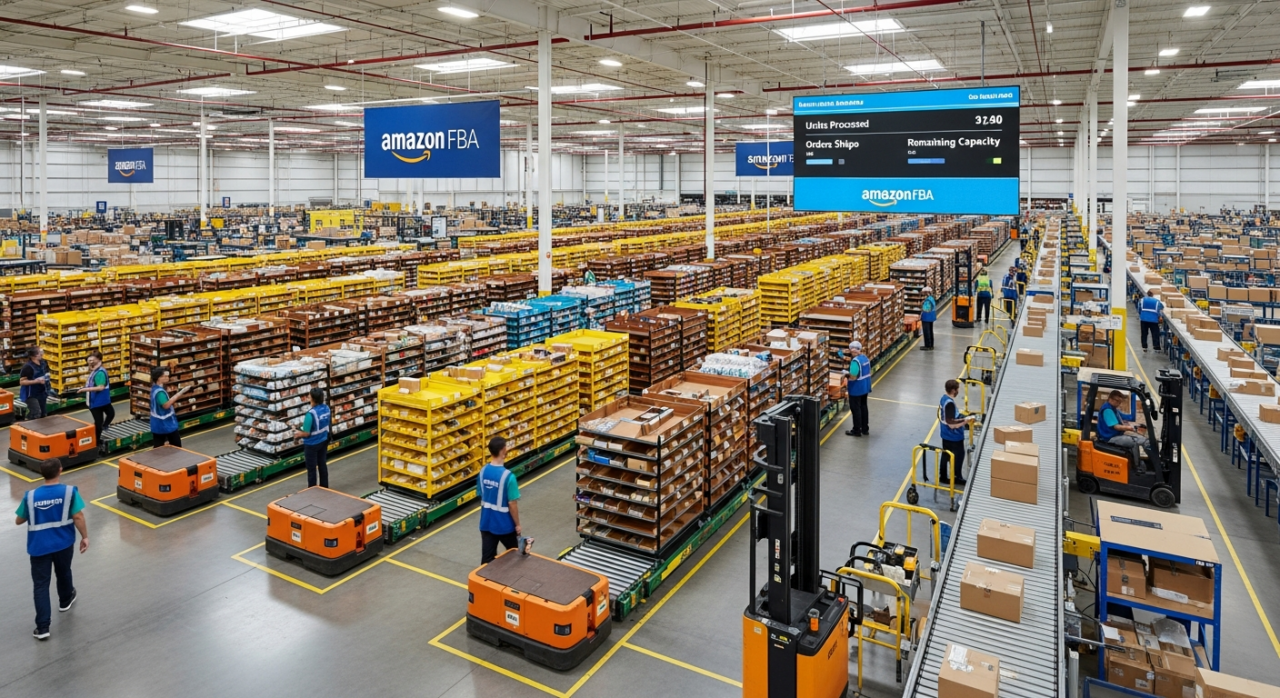
You can send large quantities of inventory to an AWD facility, and the system will automatically replenish your FBA stock as it runs low. This helps prevent stockouts on your popular items, thereby protecting your IPI score. It also simplifies your inbound logistics, as Amazon handles the distribution from the AWD center to various fulfillment centers across the country. By using AWD, you can maintain a lean FBA inventory while ensuring you never miss a sale.
“`

Need Help Growing Your Sales?
Need Help Growing Your Sales?
We are here to help you scale.
Written By: Liezel Felisilda
📺 YouTube: EHP Consulting Group on YouTube
🎵 TikTok: EHP Consulting Group on TikTok
Email: [email protected]
Website: www.ehpconsultinggroup.com
Number: 925-293-3313
Date Written: April 17, 2026