 (925) 293-3313
Selling on Amazon is a fantastic opportunity, but navigating the platform’s rules can feel like learning a new language. One of the first hurdles many new sellers encounter is the requirement for a GTIN, or Global Trade Item Number. You might know it as a UPC barcode. For most products, this is a non-negotiable step to get your listing live. But what if your product doesn’t have one?
Whether you’re selling handmade goods, private-label items, or custom product bundles, there’s a solution you need to know about: the Amazon GTIN Exemption. This allows you to list your products without a barcode, saving you time and money. Let’s break down what a GTIN exemption is, who it’s for, and how you can apply for one.
What’s a GTIN and Why Does Amazon Require It?
First, let’s clear up the alphabet soup. A GTIN is a unique number used to identify trade items globally. Think of it as a product’s fingerprint. The most common types you’ll see are UPCs (Universal Product Codes) and EANs (European Article Numbers). These codes are issued by a global organization called GS1, which ensures that no two products worldwide share the same identifier.
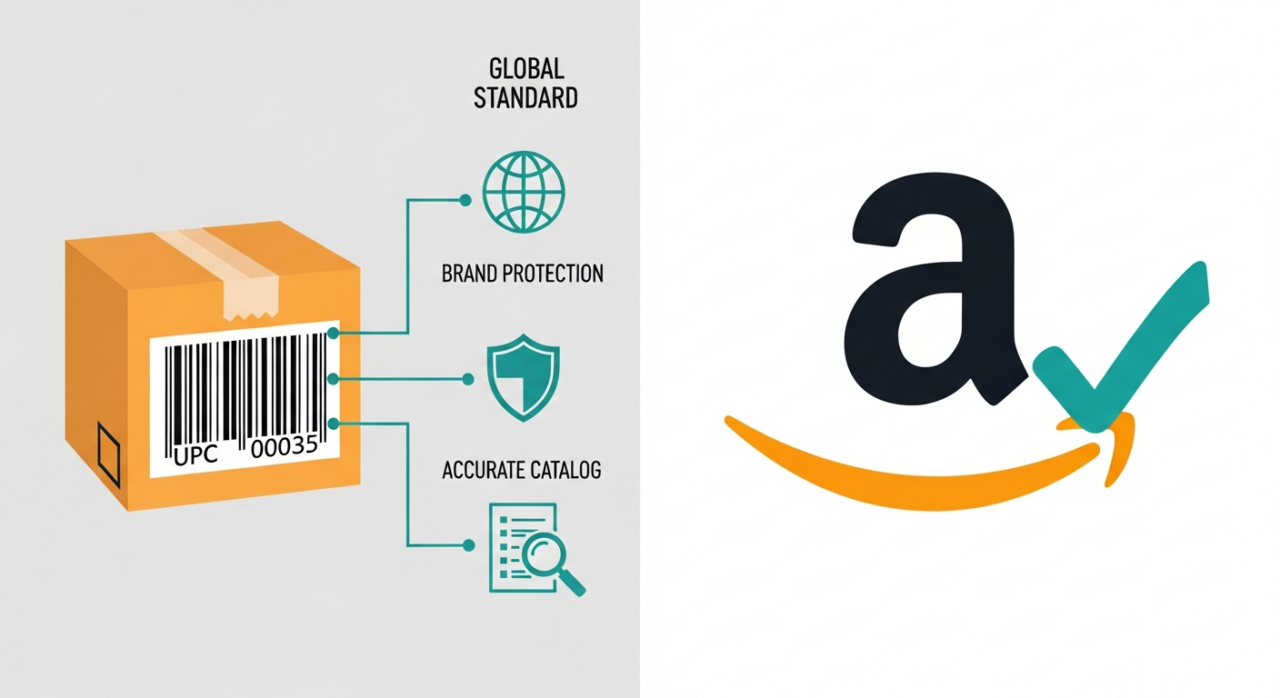
Amazon uses these codes to keep its massive catalog organized and accurate. When you enter a GTIN, Amazon can instantly pull up the correct product information, preventing duplicate listings and ensuring customers find exactly what they’re looking for. For sellers, using an official GS1 barcode also helps protect your brand, prevent unauthorized sellers from hijacking your listing, and prove the legitimacy of your product.
But what if you’re the manufacturer and you don’t use barcodes? That’s where the exemption comes in.
Who is Eligible for a GTIN Exemption?
An Amazon GTIN exemption is a special permission that allows you to list products without a product ID. It’s designed for sellers whose products legitimately do not have a manufacturer-provided GTIN.
You are likely eligible for an exemption if you sell:
- Private-label or white-label products: Items you’ve branded yourself that don’t have a barcode.
- Handmade products: Unique, handcrafted items you create.
- Generic, unbranded products: Items without any brand name on the product or packaging.
- Product parts or accessories: Things like specialized automotive parts or mobile phone accessories that aren’t sold with their own GTIN.
- Custom bundles: A unique package you’ve created, like a gift set with a belt and a wallet from different brands.

It’s important to note that you cannot get an exemption for a product from a major brand that already uses GS1 barcodes. If a brand already assigns UPCs to its products, Amazon will require you to use them.
The Pros and Cons of an Exemption
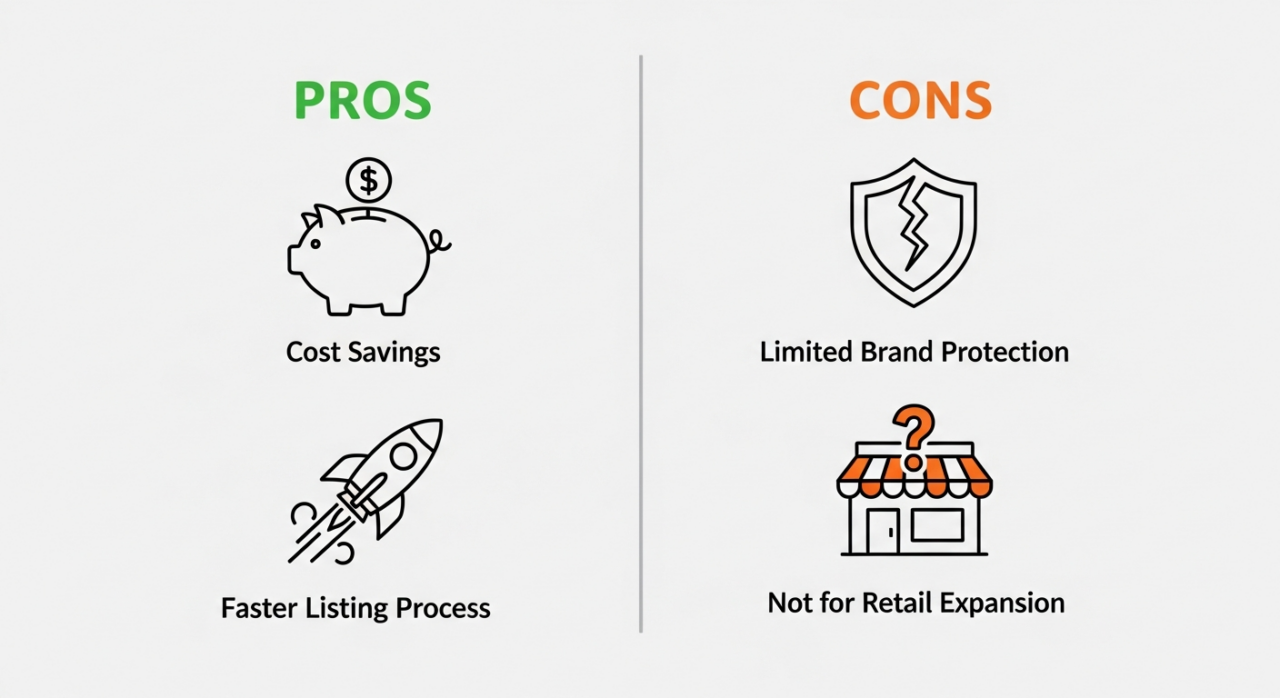
Choosing to apply for a GTIN exemption has its advantages and potential drawbacks.
The Upside:
- Cost Savings: Purchasing barcodes from GS1 comes with an initial fee and an annual renewal cost. An exemption completely removes this expense, which is a big win for new sellers or small businesses.
- Faster Listing Process: You can bypass the process of buying, assigning, and waiting for a barcode to become active in the GS1 database. This means you can get your product listed and selling more quickly.
- Perfect for Unique Items: It’s the ideal path for sellers of custom or handmade goods that don’t fit the traditional retail model, where barcodes are standard.
The Potential Downsides:
- Limited Brand Protection: A GS1 barcode registered to your company is a strong piece of evidence that you are the legitimate brand owner. Without it, it can be slightly more challenging to combat counterfeiters or resolve listing disputes.
- Not a Long-Term Growth Strategy: If you plan to expand your business beyond Amazon into physical retail stores or other online marketplaces, you will eventually need official GS1 barcodes.
- Potential System Hiccups: Amazon’s catalog is built on GTINs. While exemptions are officially supported, operating without a universal identifier can sometimes lead to unforeseen listing issues.
How to Apply for a GTIN Exemption: A Step-by-Step Guide
Ready to apply? The good news is that Amazon has integrated the application process directly into the listing workflow.
1. Start a New Product Listing
In your Seller Central account, navigate to “Catalog” and click “Add Products.” From there, select the option “I’m adding a product not sold on Amazon.”
2. Enter Your Product Details
Select the appropriate category for your product. In the “Brand Name” field, enter your brand’s name exactly as it appears on your product or packaging. If you are selling an unbranded item, you can check the box indicating the product has no brand name, and Amazon will automatically fill the field with “Generic.”
3. Declare You Don’t Have a Product ID
Look for the “Product ID” section. Below the input fields, you will see a small checkbox that says, “I don’t have a Product ID.” Check this box.
4. Complete the Exemption Application
If your brand and category are eligible for an exemption, a link or button to “Apply now” will appear. Clicking this will take you to the GTIN exemption application page.
5. Provide Necessary Proof (If Required)
For branded products, Amazon needs to verify that you are the brand owner and that your products don’t have barcodes. You will be asked to provide real-world photos of the product and its packaging from multiple angles. The branding must be permanently affixed—stickers won’t cut it. For “Generic” products, this proof is usually not required.
6. Monitor Your Application and Wait for Approval
After submitting, you can check the status of your application in your case log or under “Catalog” > “View selling applications.” Approval is typically fast, sometimes taking just a few hours, but it can take up to 48 hours or more.
Once you are approved for a specific brand in a specific category, you can list as many products as you want under that brand and category without needing a GTIN. Remember, exemptions are granted per marketplace, so if you sell on Amazon in the US and Europe, you’ll need to apply separately for each.
Beyond the Exemption: Optimizing for Success
Successfully getting a GTIN exemption and listing your product is a great first step, but it’s just the beginning. To truly succeed on Amazon, your listing needs to be perfectly optimized to attract customers and drive sales. This is where professional expertise can make all the difference. To ensure your new listing is set up for maximum visibility, consider starting with a free listing audit. For sellers who want to dive deeper and manage their own growth, our comprehensive courses equip them with the skills they need. And if you need hands-on management or strategic guidance, our full range of expert services is designed to scale your business. If you have any questions about this process or how to grow your brand on Amazon, please don’t hesitate to contact us.
Need Help Growing Your Sales?
We are here to help you scale.
Stay ahead with the latest tips and trends in online selling:
🎥 YouTube – EHP Consulting Group
📱 EHP Consulting Group
Written By: Janine Alaban
Email: [email protected]
Website: http://www.ehpconsultinggroup.com
Number: 925-293-3313
Date Written: April 15, 2026