 (925) 293-3313
A negative balance on your Amazon seller account can be a stressful discovery. It means that your fees, refunds, and other charges for a given settlement period have exceeded your sales. When this happens, Amazon has a clear and often aggressive system for recovering the funds you owe. Understanding this process is the first step to managing the situation and protecting your account. Here are the key steps and realities you need to be aware of.
1. Understand How a Negative Balance Occurs
Before you can fix the problem, you need to know the cause. A negative balance isn’t a penalty; it’s simple math. It happens when the money going out is more than the money coming in during a specific two-week settlement period. The most common culprits include:

- High Refund Rates: A wave of customer returns will debit your account for the original sales price.
- Monthly Subscription Fees: Your Professional Seller plan fee of $39.99 is charged regardless of sales volume.
- FBA Fees: Storage fees, fulfillment fees, and removal order fees can add up quickly, especially for slow-moving inventory.
- Advertising Costs: Your PPC ad spend is deducted from your balance.
- Low Sales Volume: If you have a slow sales period, your fixed costs can easily overtake your revenue.
Pinpointing the exact cause in your payment reports is a crucial first step to prevent it from happening again.
2. Know Amazon’s Payment Recovery Hierarchy
Once Amazon determines you have a negative balance at the end of a settlement period, it will initiate a collection process. They don’t wait for you to send a payment; they actively take it. Their approach follows a clear order of operations.
First, Amazon will attempt to charge the primary credit card you have on file in Seller Central. If this charge fails due to insufficient funds or other issues, they won’t simply give up. Evidence suggests they will attempt to charge the card again, possibly every 24 hours, until the debt is settled.
If repeated attempts to charge the credit card fail, Amazon will move to the next payment method: your bank account. The Amazon Services Business Solutions Agreement you signed gives them the authority to directly debit your linked bank account for any amount you owe. It’s also important to know that your buyer and seller accounts are linked. In some reported cases, Amazon has charged a payment method registered on a seller’s personal Amazon Prime or buyer account to settle seller fees.
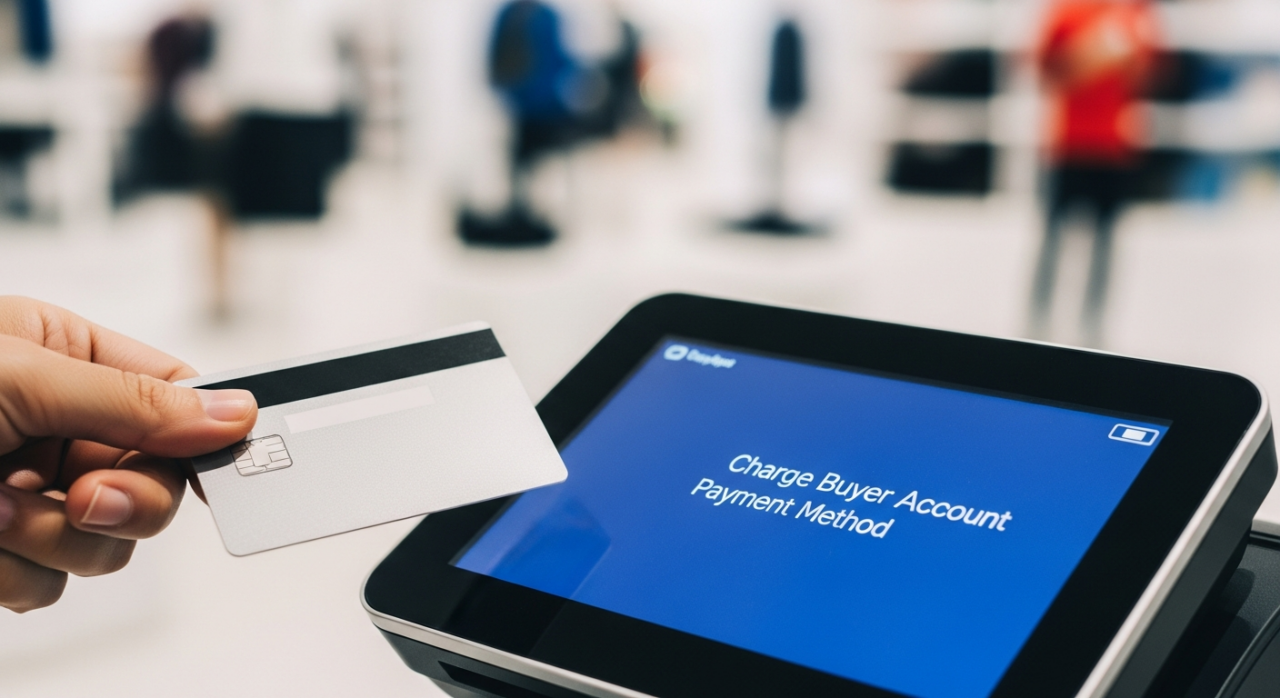
3. Prepare for Potential Fund Withholding (Account Level Reserve)
Separate from charging your payment methods, Amazon can also proactively hold your money if they perceive your account as a risk. This is often referred to as an “Account Level Reserve.” Amazon’s policies are clear that they can withhold payments if they believe your performance or actions could lead to future chargebacks, A-to-z claims, or a high volume of returns.
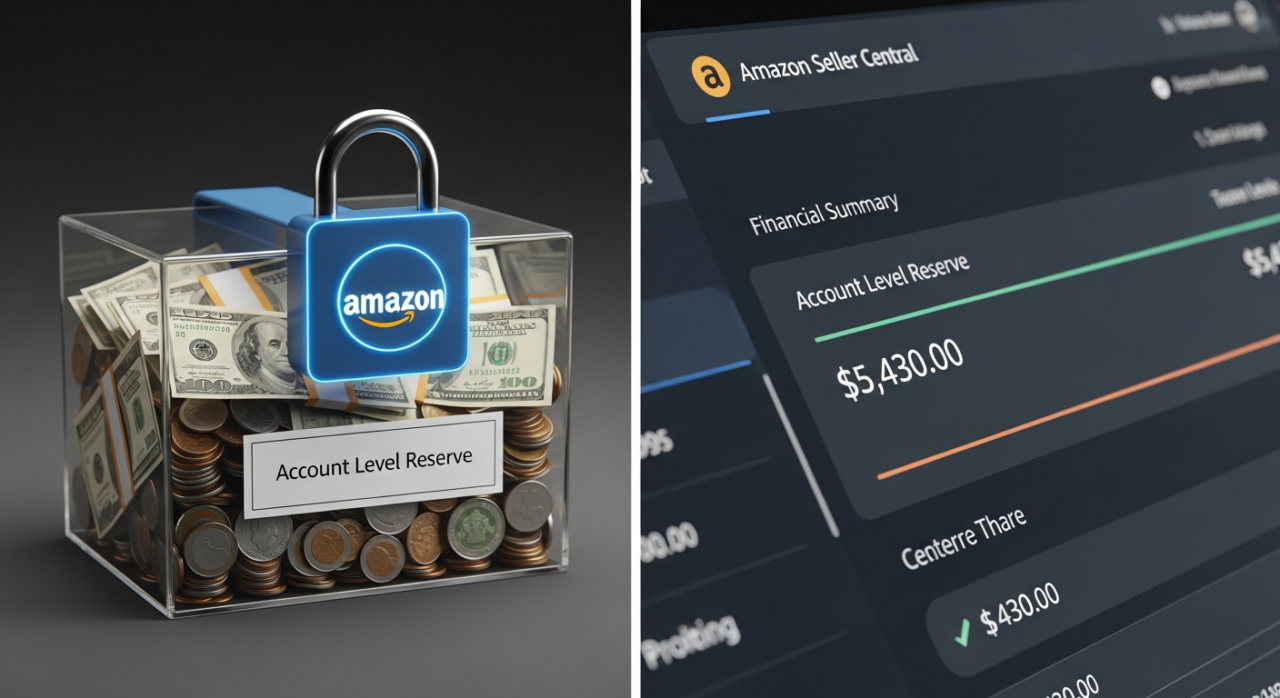
This can happen even if you have a positive balance. An account suspension or investigation will almost certainly trigger a hold on your funds. This policy is designed to protect Amazon and its customers by ensuring there is money available to cover potential future refunds, but it can create a severe cash flow crisis for your business.
4. Downgrade Your Selling Plan to Stop Recurring Fees
If you are taking a break from selling, have run out of inventory, or are dealing with a suspension, one of the most immediate actions you can take to stop the financial bleeding is to downgrade your account. By switching from a Professional to an Individual selling plan, you immediately stop the recurring $39.99 monthly subscription fee.
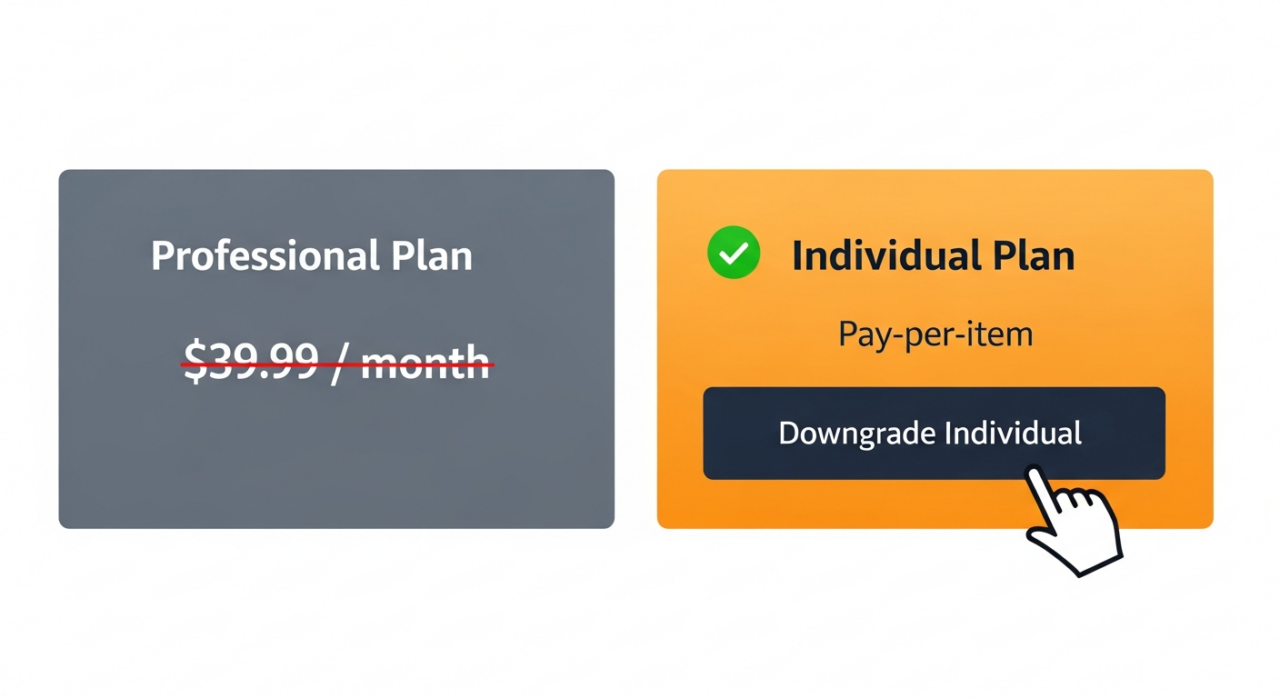
This is a smart defensive move to prevent a negative balance from growing while your account is inactive. Be aware, however, that downgrading can limit your access to certain features and may affect your ability to contact some seller support channels. You can always upgrade back to the Professional plan when you are ready to resume selling actively.
5. Be Aware of Escalation: Collections and Payment Instruments
If you are unable to settle your negative balance and Amazon’s attempts to charge your on-file payment methods fail, the situation can escalate. While Amazon’s official public policies don’t detail this process, the seller community has widely reported that Amazon will use third-party collection agencies to recover significant unpaid debts. This can impact your credit and lead to more serious financial consequences.
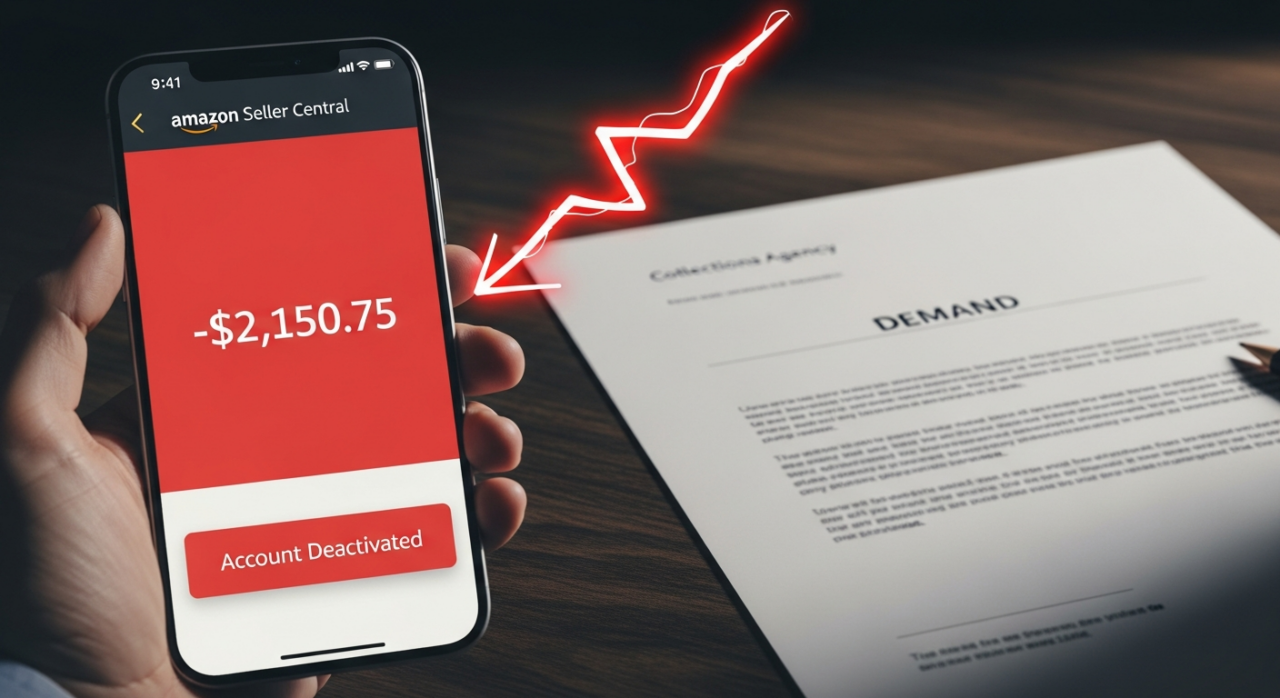
Furthermore, it’s crucial to understand the language in your seller agreement. It states Amazon can charge “any other payment instrument you provide to us.” This refers to any card or bank account that you have authorized and linked to your seller account ecosystem. While it doesn’t extend to a friend or family member’s card that may have been used on your buyer account once, it does give Amazon broad authority to seek payment from any financial instrument you have directly associated with your account. Reading through case studies of sellers who have faced similar challenges can offer valuable insights.
Ultimately, avoiding a negative balance comes down to proactive management and a deep understanding of Amazon’s ecosystem. For sellers looking to master these skills and build a more resilient business, investing in expert-led courses can be a game-changer.
Need Help Growing Your Sales?
We are here to help you scale.
YouTube Channel Link: EHP Consulting Group on YouTube
TikTok Profile Link: EHP Consulting Group on TikTok
Written By: Ahzel P. Miral
Email: [email protected]
Website: http://www.ehpconsultinggroup.com
Number: 925-293-3313
Date Written: May 5, 2026