 (925) 293-3313
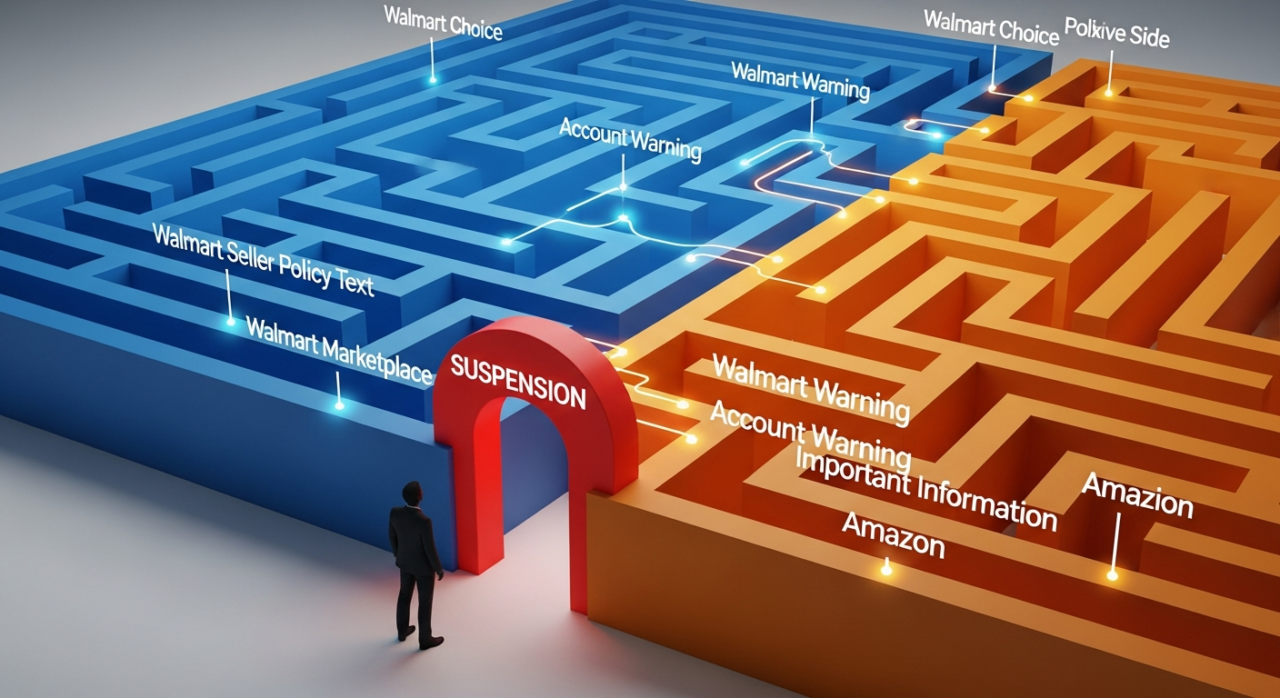
Navigating the Walmart Marketplace can be a highly profitable venture, but it comes with a strict set of rules that can trip up even experienced sellers. Misinformation is rampant, leading to costly mistakes and account suspensions. To succeed, you need to understand the platform’s core policies on fulfillment, performance, and pricing. Here are the essential strategies you must follow to build a sustainable business on Walmart.
1. Master Walmart’s Fulfillment and Dropshipping Rules
One of the most common points of failure for sellers is misunderstanding Walmart’s fulfillment policies. The platform is not a free-for-all for dropshipping. First and foremost, retail arbitrage is strictly forbidden. This means you cannot list a product on Walmart, and then, after making a sale, purchase that item from another retailer like Amazon and have it shipped directly to your customer. This practice is a direct violation and a fast track to suspension.
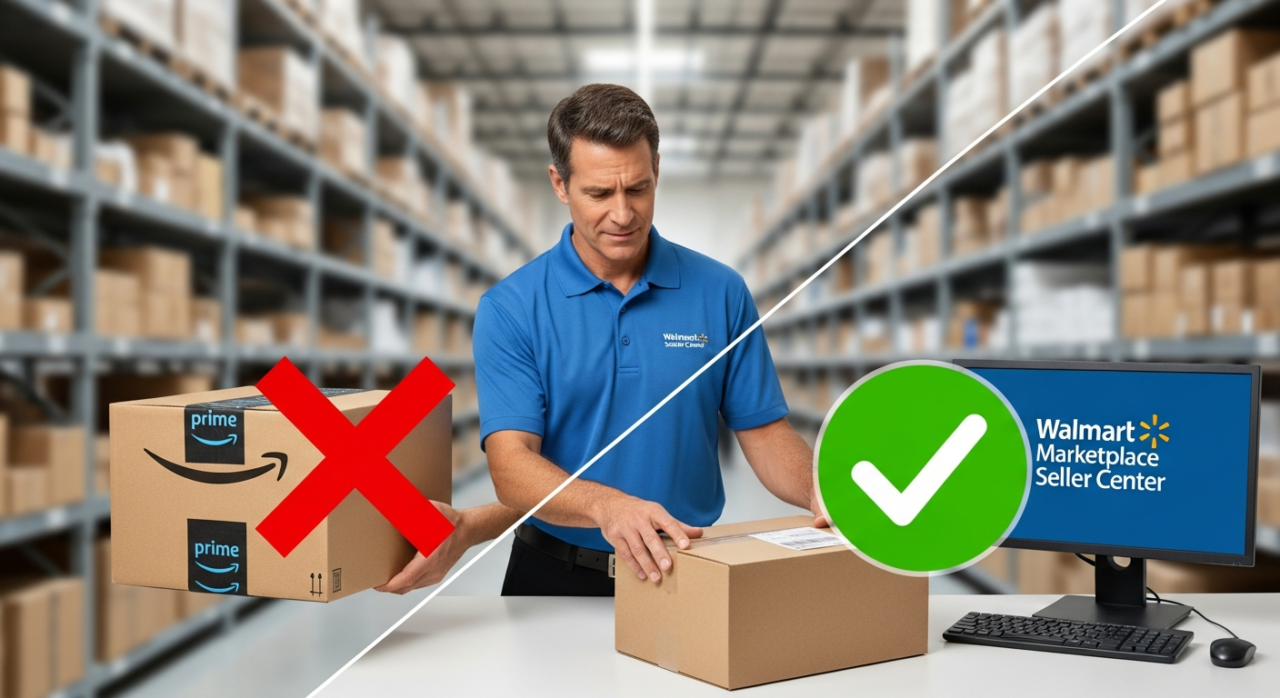
Packaging is another critical component. You are explicitly prohibited from shipping orders in a competitor’s box. Any package arriving at a customer’s door in Amazon-branded packaging is a clear policy breach. All orders must be sent in neutral, unbranded packaging. While you can use third-party logistics (3PL) and multi-channel fulfillment (MCF) services, including Amazon FBA, you must adhere to strict conditions. Sellers using MCF must ensure their fulfillment partner uses neutral boxes and must block Amazon Logistics as a carrier to prevent deliveries in Amazon-branded vehicles.
2. Stay Ahead of Strict Performance Metrics
Walmart holds its sellers to high standards, and your performance is constantly measured by automated systems. Failure to meet these metrics is a primary cause of listing suppression and account suspension. The three most critical metrics to monitor are your Order Defect Rate (ODR), which must remain below 2%; your On-Time Delivery Rate, which must be 95% or higher; and your Valid Tracking Rate, which needs to be at least 99%.

A crucial aspect of this is that you are held accountable for carrier performance. If your chosen shipping carrier loses a package or experiences delays, it can negatively impact your On-Time Delivery Rate and hurt your account health. To mitigate this risk, consider using the “Ship with Walmart” program, which can offer sellers protection against delivery issues that are beyond their direct control. While many sellers fear “suspension bots,” Walmart’s policy states that for a suspension, you will receive an email detailing the reason and your appeal eligibility. However, be warned that for account terminations, Walmart is not required to provide a reason, and appeals are not granted.
3. Comply with Product and Pricing Policies
What you sell and how you price it are under constant scrutiny. To list any product, you must physically own the inventory. Furthermore, if you are selling branded products, you are required to have the official licensing rights to do so. Selling counterfeit items is strictly prohibited and will result in immediate and severe action against your account.
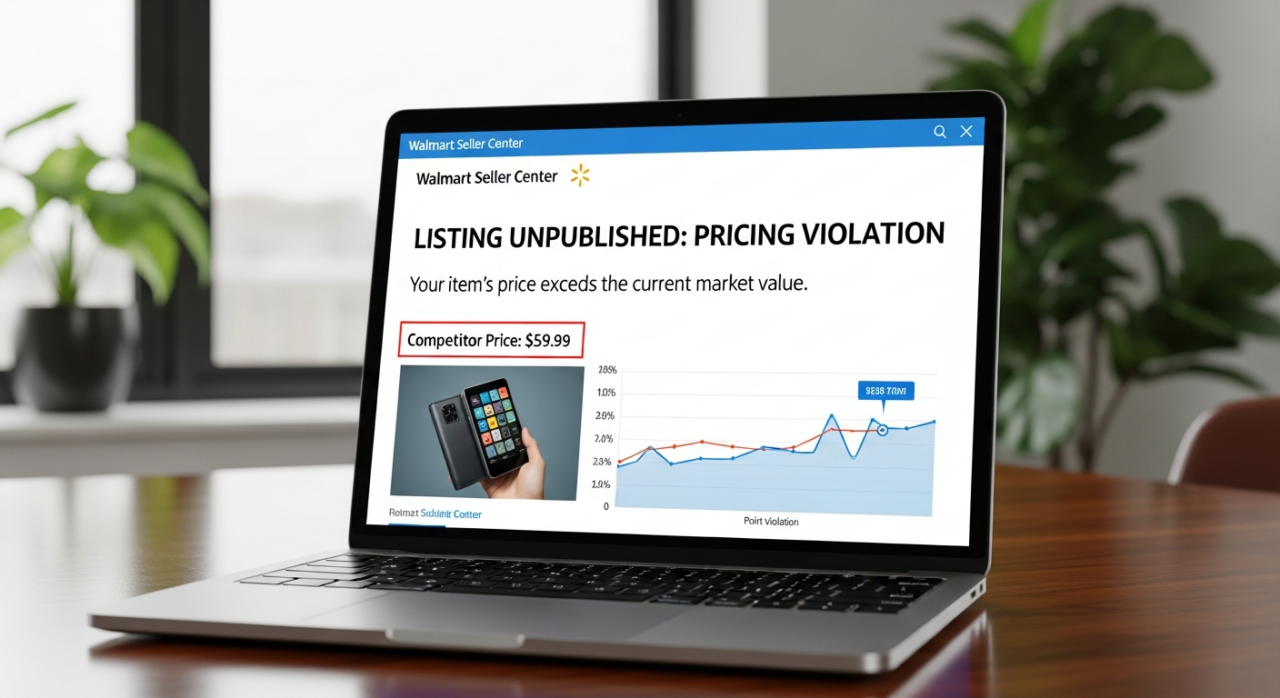
Pricing is also enforced by automated rules designed to keep the marketplace competitive. Walmart actively monitors for prices that are “egregiously higher” than those found on competing websites or even on Walmart.com itself. If the system flags your price as too high, your listing will be automatically unpublished. While a single instance might just result in delisting, repeated violations of these pricing rules demonstrate a pattern of non-compliance that can escalate quickly to a full account suspension or even termination.
4. Navigate the Suspension Appeal Process Correctly
If your account is suspended, how you handle the appeal can determine the future of your business on the platform. A simple apology will not suffice. Walmart requires a formal “business plan of action” to even consider reinstatement. This plan must be thorough and professional.
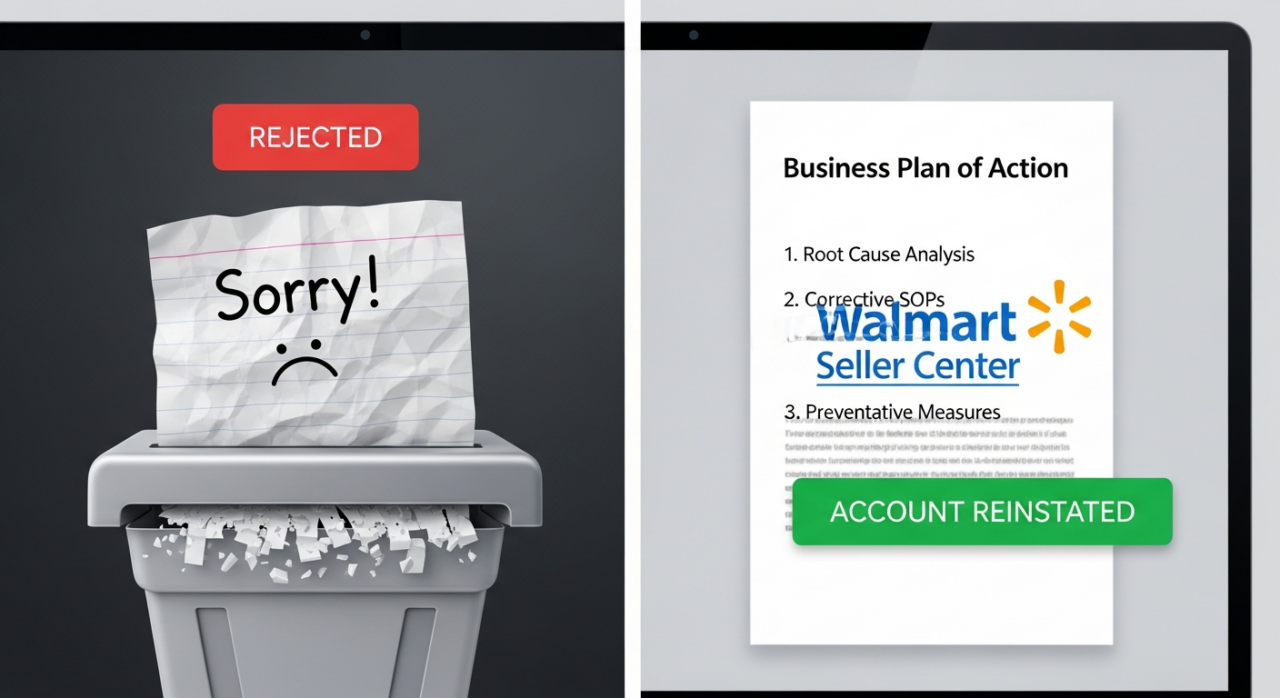
Your appeal must clearly identify the root cause of the violation. You need to demonstrate that you understand precisely what went wrong. Following this, you must outline new Standard Operating Procedures (SOPs) that you have implemented to correct the issue and, more importantly, prevent it from ever happening again. Your plan needs to be detailed, specific, and convincing. Explain the exact corrective measures you have taken, whether it’s changing your fulfillment partner, overhauling your inventory management, or implementing new quality control checks. A weak or generic plan will be rejected, making it much harder to get your account back.
Need Help Growing Your Sales?
We are here to help you scale.
Stay ahead with the latest tips and trends in online selling:
🎥 YouTube – EHP Consulting Group
📱 EHP Consulting Group
Written By: Janine Alaban
Email: [email protected]
Website: http://www.ehpconsultinggroup.com
Number: 925-293-3313
Date Written: May 6, 2026