 (925) 293-3313
Sourcing products from China can be a game-changer for your Walmart Marketplace business, but navigating the logistics of getting your inventory into a US warehouse can feel daunting. Fortunately, Walmart’s “Cross Border: Imports” program is designed to simplify this process for sellers using Walmart Fulfillment Services (WFS). By following a clear strategy, you can streamline your international supply chain and keep your products in stock and ready to ship to US customers.
Here are the essential steps to successfully ship your products from a manufacturer in China directly to a Walmart fulfillment center in the United States.
1. Master Your Product Preparation
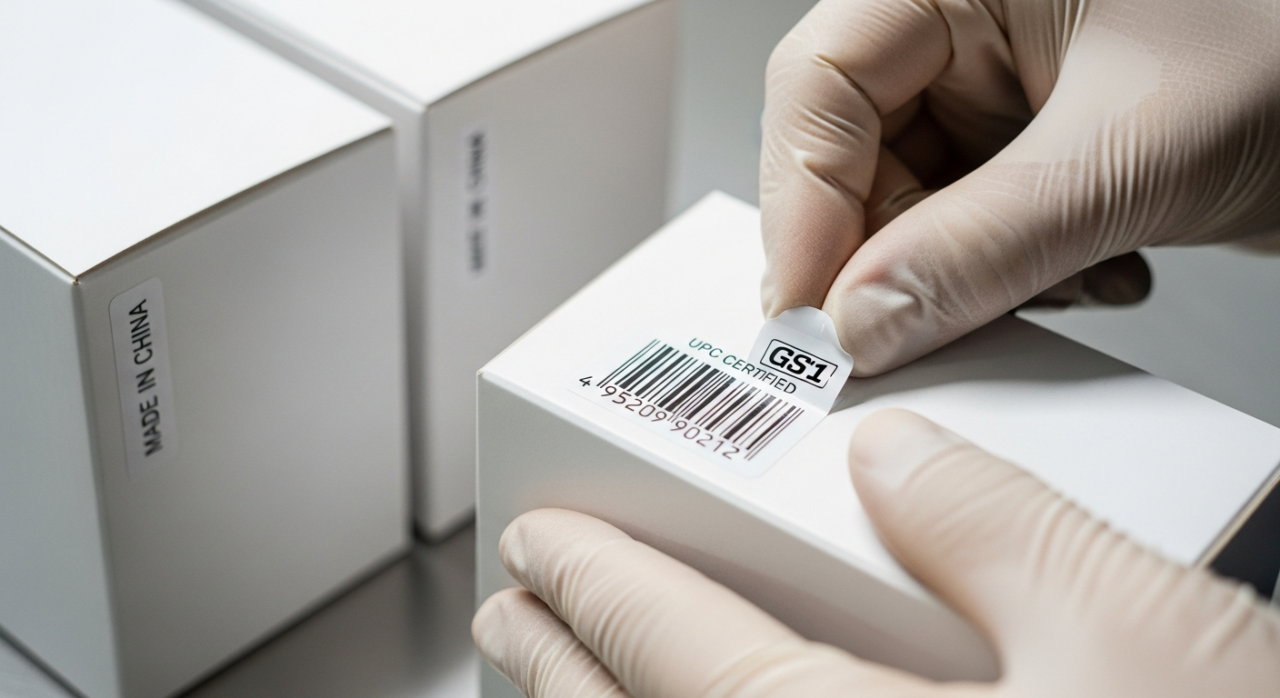
Before your products can even begin their journey, they must be prepared to meet Walmart’s strict WFS requirements. Getting this right from the start prevents costly delays and receiving errors down the line. First, every single item and its variants must have a readable, scannable GS1-certified barcode, like a UPC or GTIN. This is non-negotiable for inventory tracking. Your products also need to be packaged securely to withstand the long journey and must include a label clearly stating the country of origin.
2. Generate the Correct WFS Shipping Labels
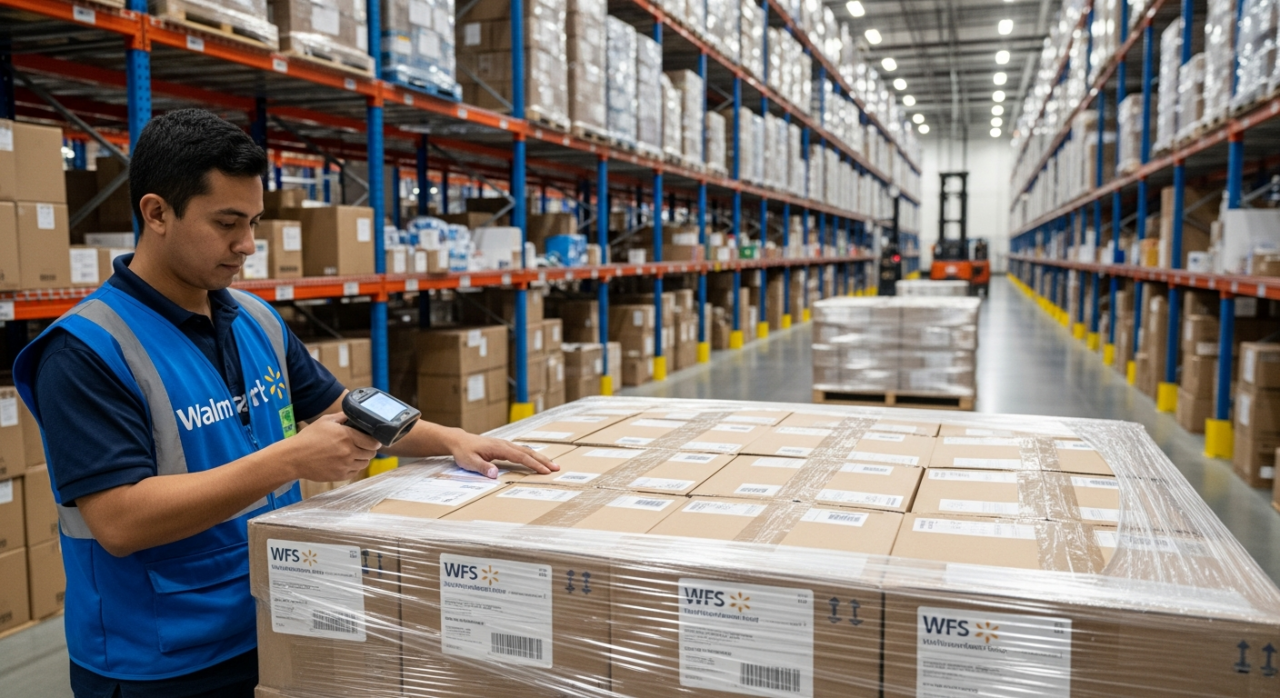
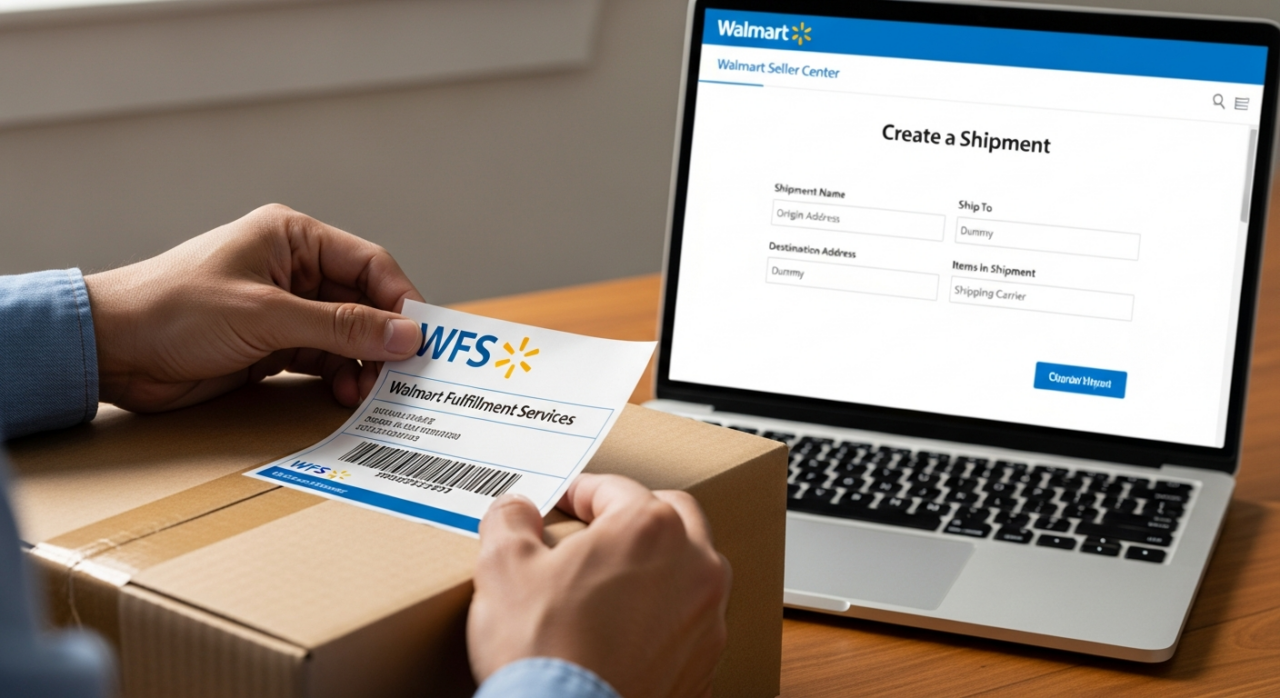
Once your products are properly barcoded and packaged, you must create a shipment plan within your Walmart Seller Center account. This critical step generates the specific WFS shipping labels required for your inventory. These labels are unique to your shipment and tell Walmart’s warehouse team exactly what’s inside the boxes, who they belong to, and where they need to go. These labels must be affixed to the outside of your shipping cartons or pallets before they leave the factory. Without them, your inventory will be rejected at the fulfillment center.
3. Simplify Receiving with Single-SKU Boxes
While it may be tempting to mix and match different products in a single shipping box to maximize space, this can create a nightmare for warehouse receiving teams. To avoid inventory discrepancies and receiving delays, adopt the best practice of shipping only one unique Stock-Keeping Unit (SKU) per box. This makes the check-in process at the Walmart fulfillment center faster, more accurate, and less error-prone, ensuring your products are available for sale as quickly as possible.
4. Choose Your Shipping Method: Sea Freight
For most sellers, sea freight is the most logical and cost-effective method for shipping from China. It’s ideal for larger, less time-sensitive shipments. Standard sea freight, often called “slow sea,” typically takes between 20 to 40 days to travel from a port in China to the US. While this is the most economical choice, some freight forwarders also offer expedited or “fast sea” services that can shave several days off the transit time for a premium cost. Given that sea freight can be 70-90% cheaper than shipping by air, it’s the go-to option for maintaining healthy profit margins on bulk inventory.

5. Use Air Freight for Speed and Urgency
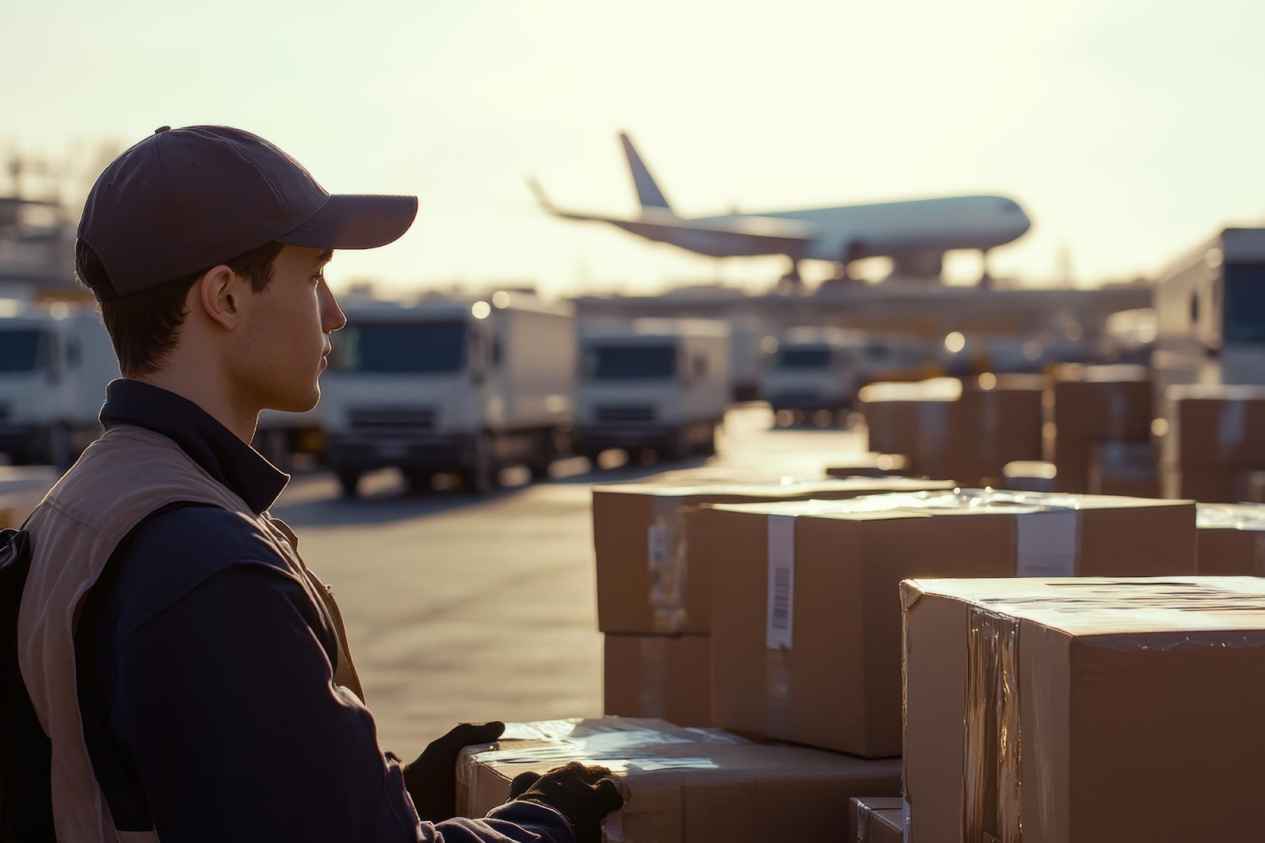
When speed is your top priority, air freight is the answer. This method slashes transit time significantly, with shipments typically arriving from China to the US in just 3 to 10 days. Air freight is the perfect solution for launching a new product, quickly replenishing a fast-selling item to avoid a stockout, or shipping high-value, lightweight goods. However, this speed comes at a much higher price, so it’s a strategic choice that must be balanced against your product’s margin and customer demand.
6. Partner with a Reputable Freight Forwarder
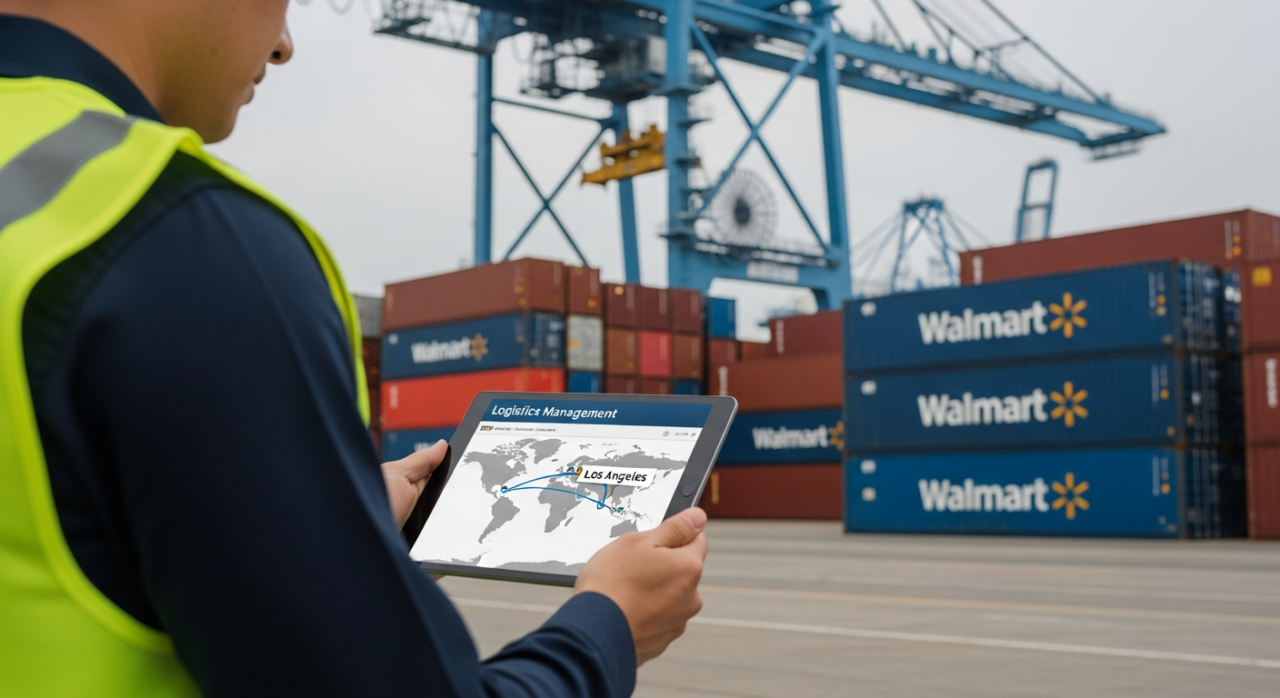
You don’t have to manage the complexities of international logistics alone. A reliable freight forwarder is your most crucial partner in this process. They act as the project manager for your shipment, coordinating everything from pickup at your Chinese factory to transportation, customs clearance in the US, and final delivery to the Walmart warehouse. When vetting potential partners, always get quotes from at least three different companies. Verify their experience with China-to-US shipping and test their responsiveness—a good forwarder should answer inquiries within 24 to 48 hours.
7. Protect Your Investment with Cargo Insurance
While your freight forwarder will have liability insurance, it often provides limited coverage and only protects you against losses caused by their specific errors or negligence. It will not cover you for a wide range of potential issues like storm damage, theft, or general accidents during transit. To fully protect the value of your inventory, it is essential to purchase separate cargo insurance. This provides comprehensive coverage for your goods from the moment they leave your supplier until they are safely checked in at the Walmart fulfillment center, giving you peace of mind and financial security.

Navigating this entire process, from product prep to customs, requires careful planning and execution. While these steps provide a solid framework, many sellers find that partnering with experts can accelerate growth and prevent costly mistakes. Whether you need comprehensive management services, specific training courses, or just want to ask a few questions, getting professional guidance can be the key to scaling your cross-border operations successfully.
Need Help Growing Your Sales?
We are here to help you scale.
Stay ahead with the latest tips and trends in online selling:
🎥 YouTube – EHP Consulting Group
📱 EHP Consulting Group
Written By: Janine Alaban
Email: info@ehpconsultinggroup.com
Website: http://www.ehpconsultinggroup.com
Number: 925-293-3313
Date Written: May 20, 2026