 (925) 293-3313
Ready to expand your Amazon business beyond the U.S. border but terrified by the thought of international logistics, customs forms, and managing inventory in another country? You’re not alone. Many sellers see the potential in Canada and Mexico, but hesitate to take the leap. What if there was a way to test those markets with minimal risk and without ever sending a single product abroad?
Enter Amazon’s North America Remote Fulfillment (NARF) program. This powerful tool is designed to be your business’s passport to international sales, allowing you to sell to customers in Canada and Mexico using the same inventory you already have sitting in U.S. FBA fulfillment centers. It’s a game-changer for sellers looking to grow, and in this guide, we’ll break down exactly how you can leverage it. You can also watch a quick overview of how the program works.
1. Unify Your Inventory Management
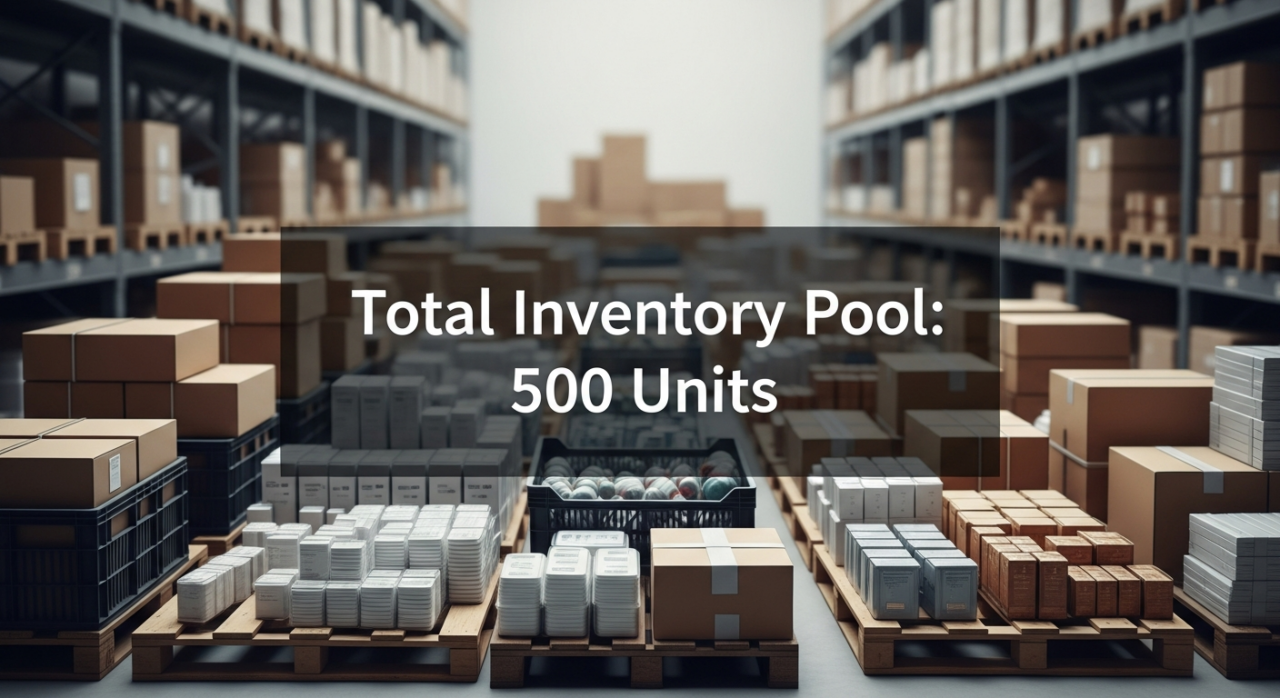
The magic of NARF starts with its unified inventory system. Forget about splitting your stock and shipping pallets to different countries. With NARF, you maintain a single pool of inventory in U.S. fulfillment centers. When a customer in Mexico City buys your product, Amazon pulls it from the same stock as an order from Miami. The system automatically updates your inventory levels across all three marketplaces (U.S., Canada, and Mexico), so you never have to worry about overselling. This centralizes your operations and dramatically simplifies inventory forecasting.
2. Automate Your International Listings
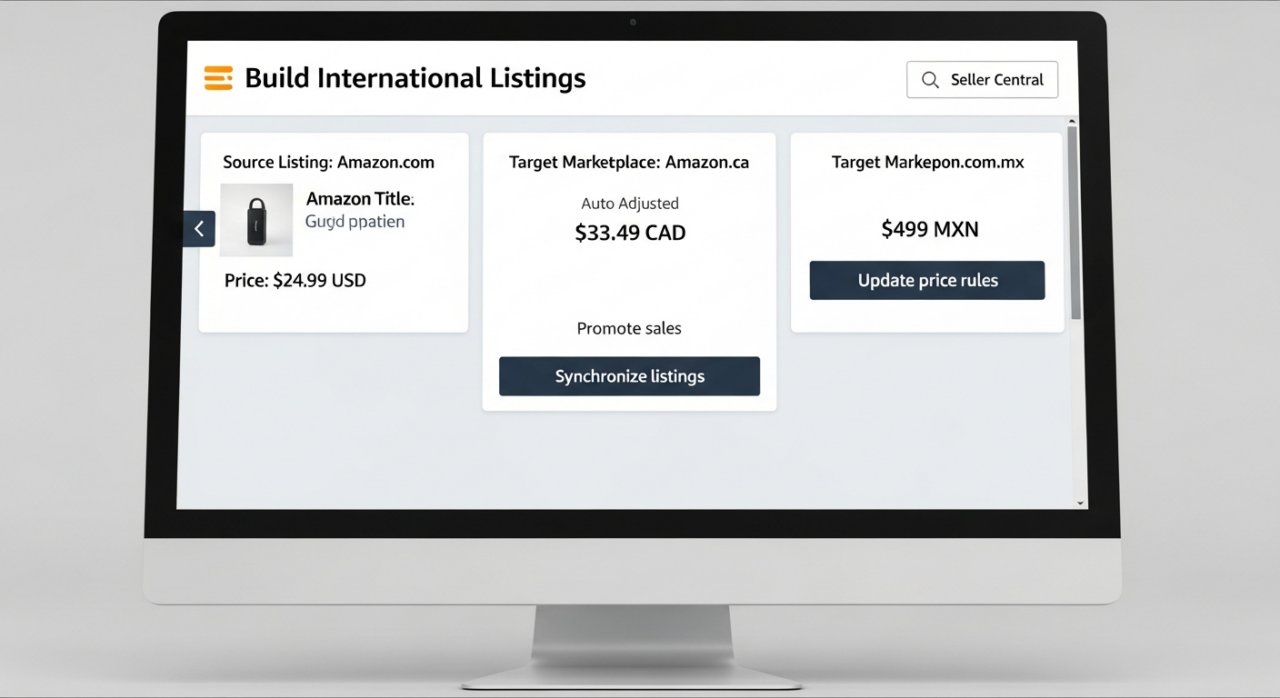
Creating listings for a new marketplace can be a tedious, time-consuming task. NARF eliminates this hurdle. Using the “Build International Listings” tool, Amazon automatically creates offers on Amazon.ca and Amazon.com.mx based on your existing U.S. listings. It syncs your prices (adjusting for currency conversion and fees) and product information, getting your products in front of millions of new customers in a fraction of the time it would take to do it manually.
3. Let Amazon Handle the Cross-Border Complexity
This is where NARF truly shines for sellers who dread paperwork. When a Canadian or Mexican customer places an order, Amazon takes care of everything. They pick, pack, and ship the product directly from your U.S. inventory to the international customer. More importantly, they handle the customs process. The customer pays any import duties and taxes at the time of purchase, so there are no surprise fees upon delivery. This removes a massive logistical and financial burden from you, the seller. You simply pay a higher NARF fulfillment fee for these orders to cover the international shipping costs.
4. Test New Markets Without the Commitment
NARF is the ultimate low-risk market research tool. Instead of investing thousands of dollars to send inventory to a Canadian or Mexican warehouse hoping it will sell, you can simply enroll your products in the program and see what happens. You’ll get real-world data on which of your products resonate with customers in these new marketplaces. By reviewing expert case studies, you can see how this data helps make an informed decision to send inventory directly to that country for faster shipping. If it doesn’t sell well, you’ve lost nothing.
5. Leverage Your Existing Social Proof
Product reviews are the lifeblood of an Amazon listing. NARF allows you to carry over your hard-earned U.S. reviews to your new Canadian and Mexican listings. This is a massive advantage, as it builds instant trust and credibility with new customers who might otherwise be hesitant to buy from an unfamiliar listing with zero feedback. This shared social proof, much like strong testimonials, can significantly accelerate your initial sales velocity in these new markets.
6. Understand Product Eligibility and Restrictions
While NARF is incredibly powerful, it’s not a free-for-all. You must be diligent about product eligibility. Each country has its own regulations, and not every product that’s legal to sell in the U.S. can be sold in Canada or Mexico.
A perfect example of this is pepper spray. In the U.S., it’s commonly sold for self-defense against human attackers. However, in Canada, pepper spray intended for use on people is considered a prohibited weapon. A U.S. seller who enrolls this product in NARF would find it blocked for sale to Canadian customers.

But here’s the nuance: a similar product marketed and labeled specifically as an animal repellent, like bear spray, *is* legal for its intended purpose in Canada. This highlights a crucial point: you must understand not just your product, but also the regulations and market context of the country you’re selling into. Always check Amazon’s restricted product lists and local laws before enrolling items in NARF to avoid compliance issues. Navigating these complexities is where expert guidance from a team like EHP Consulting Group can be invaluable.
7. Weigh the Customer Experience
Finally, it’s important to consider the downsides from a customer’s perspective, as this can impact your brand’s reputation. Because items are shipped from the U.S., delivery times are naturally longer. Prime shipping can take 7-12 days to Canada and 5-9 days to Mexico, which is slower than the 1-2 day standard many Prime members are used to. Additionally, the final price for the customer will be higher due to the included import duties and cross-border fulfillment fees. While customers agree to these terms at checkout, it’s a factor to be aware of when analyzing your sales performance. A free listing audit can help you evaluate how these factors are impacting your international listings and why high-volume sellers might eventually move to in-country FBA.

YouTube Channel Link: EHP Consulting Group on YouTube
TikTok Profile Link: EHP Consulting Group on TikTok
Written By: Jhan Rose Magbanua
Email: info@ehpconsultinggroup.com
Website: http://www.ehpconsultinggroup.com
Number: 925-293-3313
Date Written: May 24, 2026