 (925) 293-3313
Amazon’s marketplace is undergoing one of its most significant structural changes in years. As of July 27, 2024, the platform has officially pivoted toward a “Mobile First” architecture, fundamentally changing how product titles are displayed and indexed. For sellers used to the old 200-character “keyword stuffing” era, the new mandate for shorter, AI-optimized titles requires a total shift in strategy. You can see a breakdown of these structural changes in this video overview of the update.
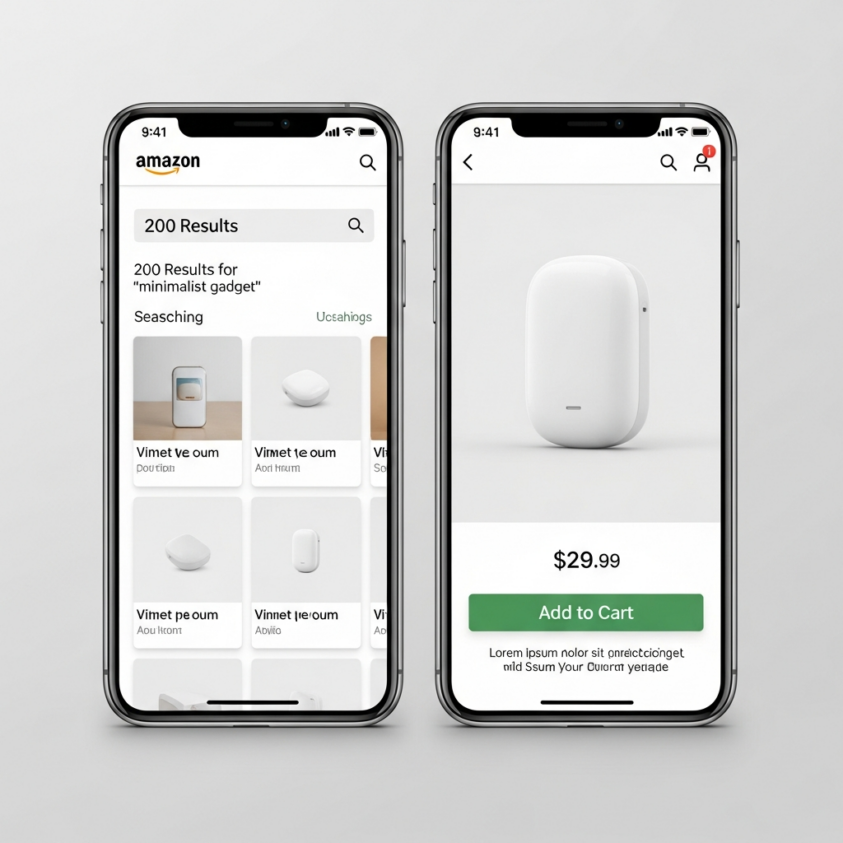
Embrace the 75-Character Mobile-First Mindset
The most jarring shift for veteran sellers is the new emphasis on brevity. While Amazon has historically allowed titles up to 200 characters, their internal data consistently shows that titles under 80 characters perform better on mobile. To prevent your titles from being truncated with the dreaded “…” in search results, you should aim for a 75-character limit.
This isn’t just about aesthetics; it’s about readability. When a customer scrolls on a smartphone, they decide whether to click in a fraction of a second. If your brand name and the most essential product feature aren’t visible immediately, you lose the click. Start by auditing your top-performing ASINs and trimming the “fluff” to ensure the core value proposition is front and center. If you are concerned about how your current catalog measures up, you can request a free listing audit to see which titles need immediate attention.
Navigate the Generative AI Rewriting Mechanism
Perhaps the most controversial part of the July 2024 update is Amazon’s use of generative AI to “optimize” non-compliant titles. If your title exceeds character limits or contains prohibited promotional phrases like “Best Seller” or “Free Shipping,” Amazon’s AI will now automatically generate a “recommended” rewrite. More information on these policy triggers can be found in the Amazon Seller Central help documentation.
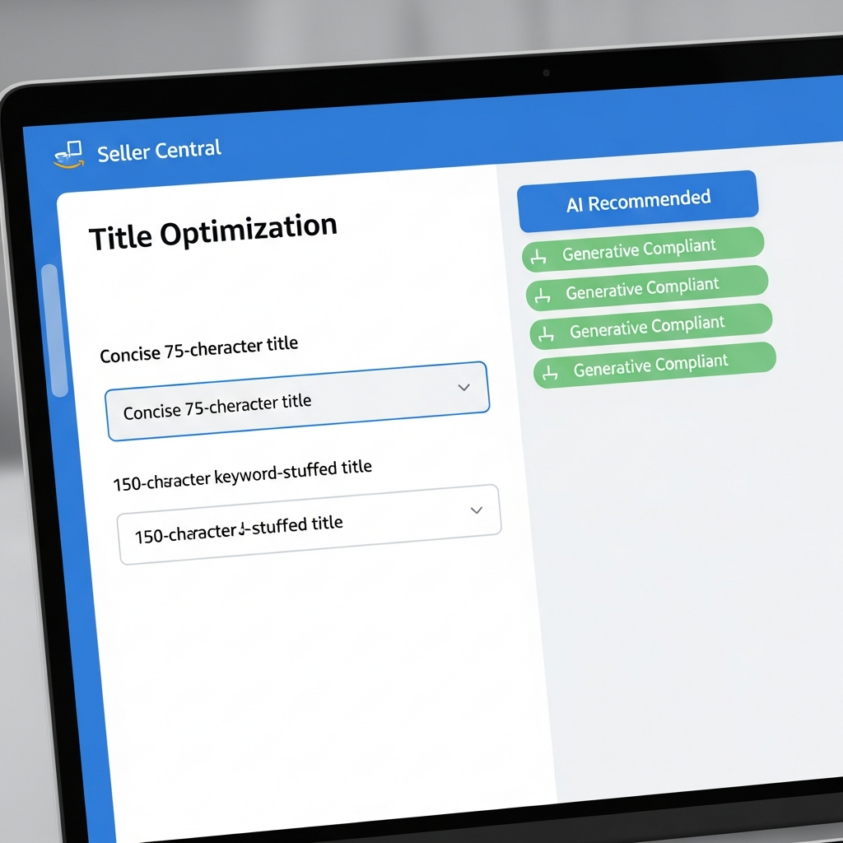
As a strategist, your goal is to stay ahead of the algorithm. While sellers generally have a window to review and accept or reject AI suggestions in Seller Central, ignoring these notifications can lead to suppressed listings. Don’t wait for the AI to guess what matters most about your product. Manually update your titles to meet the new standards so you retain full control over your brand voice.
Maximize Impact with the New “Item Highlights” Field
Amazon isn’t just deleting your keywords; they are moving them. To compensate for the shorter 75-character titles, Amazon has introduced an “Item Highlights” (or Product Highlights) field, typically capped at 125 characters. When you combine the new title limit with these highlights, you arrive back at the original 200-character limit, but in a much more structured format. Many sellers are already sharing their experiences with this rollout in the Amazon Seller Forums.
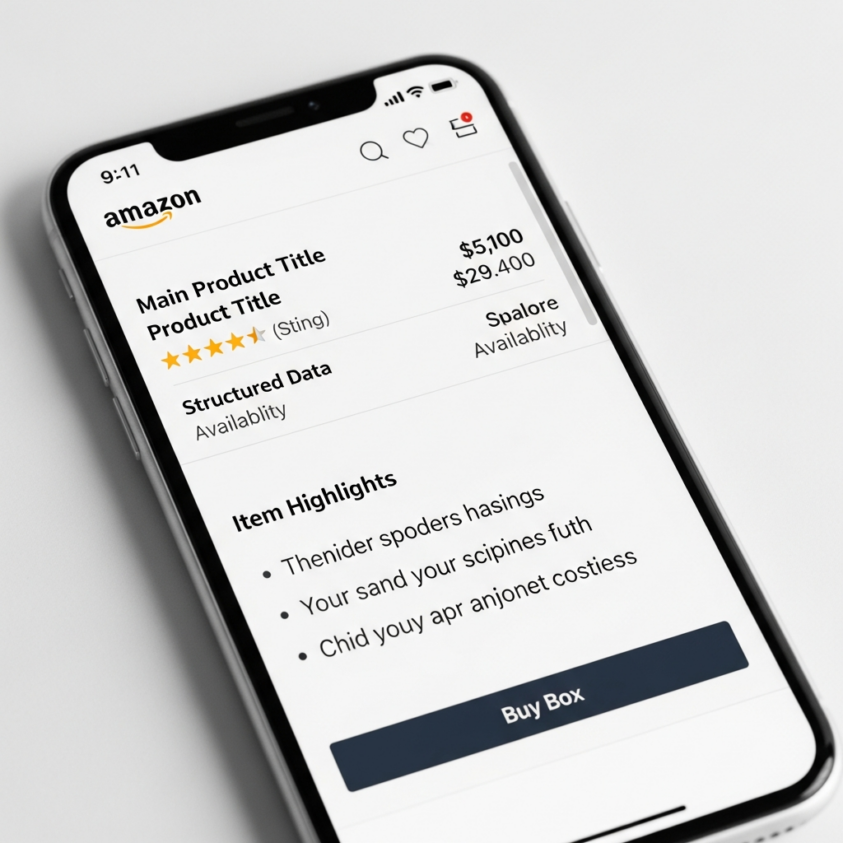
Think of the Title as your “Hook” and the Highlights as your “Closer.” Use the title for the brand, product type, and primary differentiator. Use the Highlights field to capture the technical specifications and secondary keywords that used to clutter your title. This structured data approach helps Amazon’s search engine index your product more accurately while keeping the user interface clean.
Manage Brand Identity and Bundle Complexity
One of the biggest challenges of the 75-character rule is managing long brand names or complex bundles. If your trademarked brand name is “The Premium Organic Sustainable Goods Company,” you’ve already used nearly half of your character allowance before even mentioning the product.

For brands in this position, prioritization is key. If your brand name is a major search term, it must stay. If not, you may need to rely more heavily on the “Brand” attribute field in the backend and use the title space for high-conversion keywords. For bundle listings, focus on the primary item in the title and use the “Item Highlights” to list the secondary components of the bundle. If your brand architecture is particularly complex, feel free to contact us to discuss a custom optimization strategy.
Verify Category Exemptions and Deadlines
It is important to note that this policy is not a “one size fits all” across every corner of the site. Media categories—including Books, Music, Video, and DVD—are largely exempt from these strict character limits. This is because these products often require extensive metadata, such as subtitle information, authors, or artists, which cannot be condensed into 75 characters without losing essential context.

If you sell across multiple categories, double-check your Seller Central notifications to see which of your listings fall under the July 27 mandate. While the AI rollout is platform-wide, the specific enforcement triggers vary by category. Staying informed on these nuances ensures you don’t waste time fixing listings that don’t actually require changes.
YouTube Channel Link: EHP Consulting Group on YouTube
TikTok Profile Link: EHP Consulting Group on TikTok
Written By: Jhan Rose Magbanua
Email: [email protected]
Website: http://www.ehpconsultinggroup.com
Number: 925-293-3313
Date Written: July 5, 2026