 (925) 293-3313
Scaling an Amazon business from a side hustle to a multi-million dollar enterprise requires more than just a great product; it requires a rigorous, data-driven approach to platform management. Josh Hackett, CEO of EHP Consulting Group and a verified Amazon Service Provider, has developed a growth blueprint focused on account health, aggressive advertising optimization, and global expansion. For sellers looking to scale, the transition from “seller” to “brand owner” involves mastering the intricacies of Amazon Seller Central.
Implementing Daily Account Health Audits
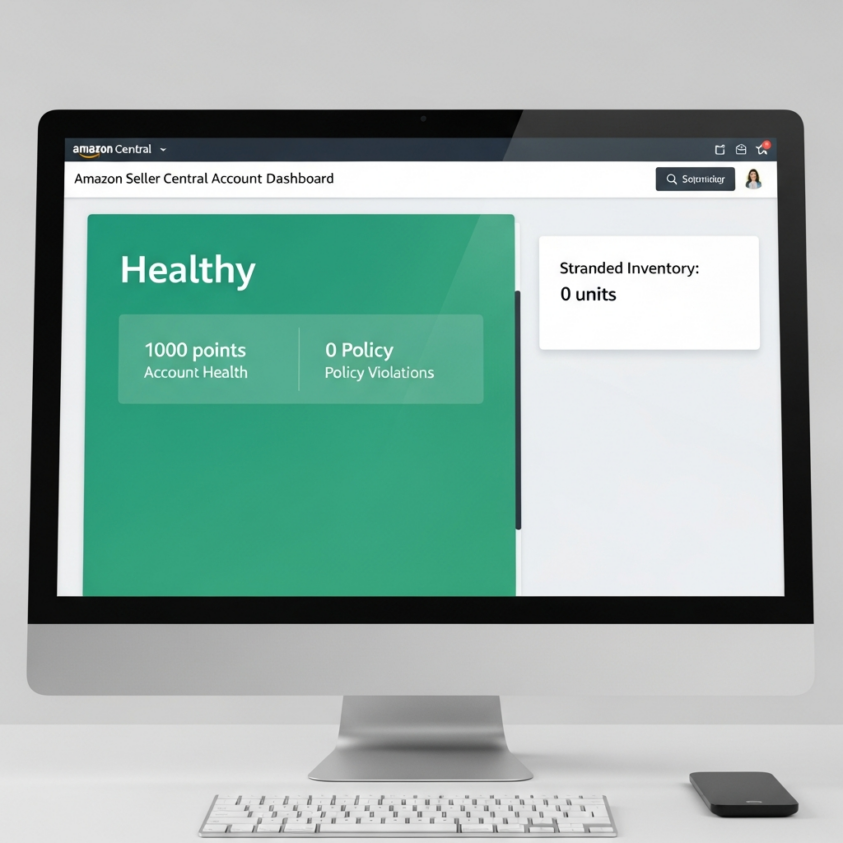
The Amazon marketplace operates 24/7, and the platform’s automated systems are notoriously unforgiving. One of the most critical strategies Hackett emphasizes is the daily audit of the Account Health Dashboard (AHD). While many sellers wait for an email notification to signal a problem, technical delays can cause listings to be suppressed or deactivated for 2–3 days before a formal alert is sent.
A daily management SOP (Standard Operating Procedure) should include checking for stranded inventory, products sitting in a warehouse that are not buyable, and suppressed listings caused by image issues or pricing errors. Monitoring these metrics 365 days a year ensures that your response time remains under the 24-hour threshold, protecting your Inventory Performance Index (IPI) and overall seller ranking. Sellers can learn more about these technical requirements to avoid costly downtime.
Managing Policy Compliance to Prevent Suspension
Maintaining a healthy Account Health Rating (AHR) is essential, but it is not a fail-safe against deactivation. Amazon’s policy on “repeat violators” is a common trap for scaling brands. Even if your overall AHR score is in the “green” zone, repeated violations of the same policy, such as restricted product violations or intellectual property claims, can trigger an automatic account suspension.
Expert management involves not just fixing violations as they appear, but identifying the root cause to ensure they do not recur. This proactive stance on compliance is what separates long-term brands from those that vanish overnight due to avoidable performance notifications.
Mastering Advertising Metrics for High ROAS
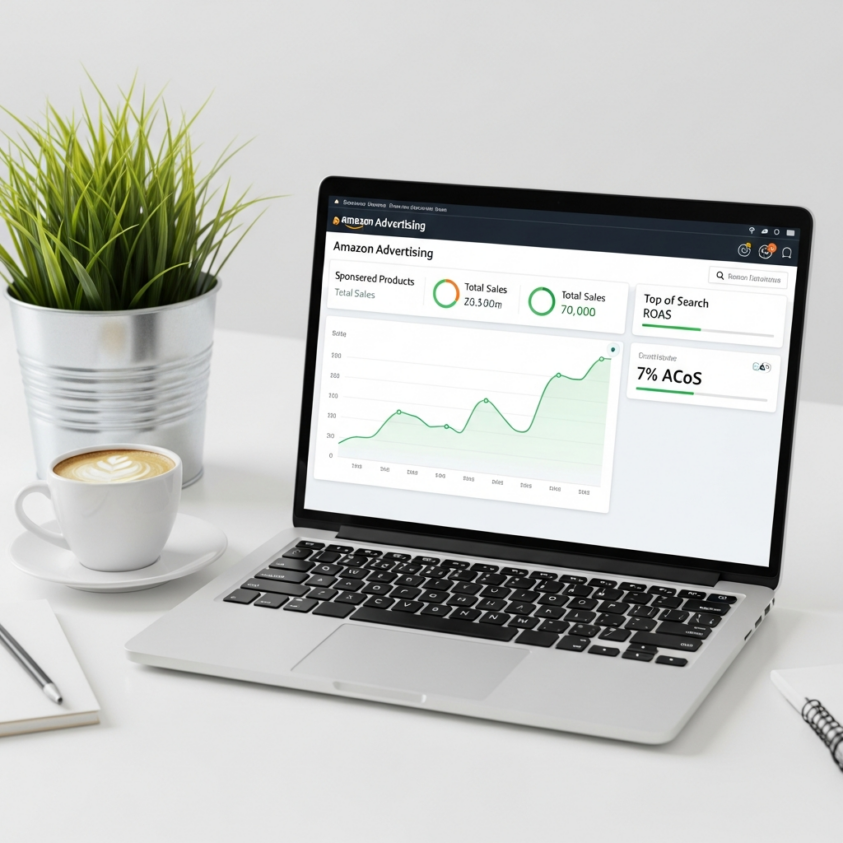
Amazon has transitioned into a “pay-to-play” environment where organic visibility is increasingly difficult to maintain without a robust PPC (Pay-Per-Click) strategy. While the industry average for Advertising Cost of Sales (ACoS) typically hovers between 20% and 35%, Hackett suggests that a 7% ACoS is an achievable target for established brands with high organic authority.
Achieving a high Return on Ad Spend (ROAS) requires mastering various campaign types, including Sponsored Products, Sponsored Brands, and Sponsored Display. By optimizing these campaigns to focus on high-converting keywords and maintaining a low CPC (Cost Per Click), sellers can ensure that advertising spend fuels growth rather than eroding profit margins.
Prioritizing Inventory and Sales Velocity
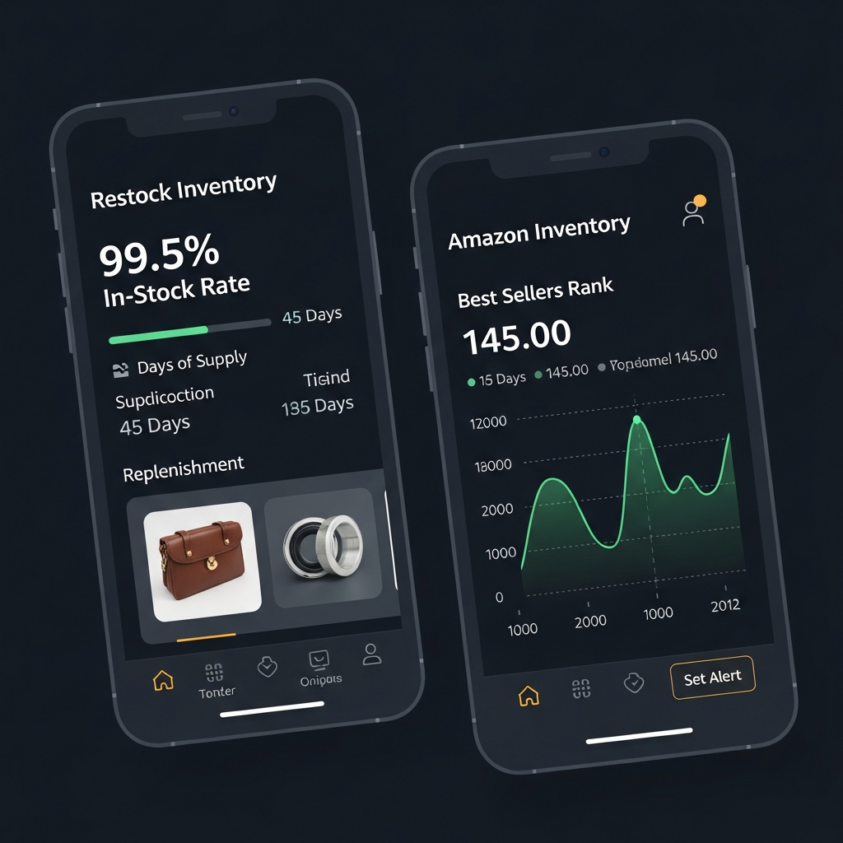
In the eyes of Amazon’s A9 algorithm, “Out of Stock” (OOS) is one of the most damaging statuses a product can have. When a listing goes OOS, its Best Sellers Rank (BSR) drops almost immediately. Upon restocking, sellers often find they must spend significantly more on advertising to regain the sales velocity and keyword ranking they previously held.
To prevent this, sellers must utilize Amazon’s internal “Restock Inventory” tools and set replenishment alerts based on lead times and historical data. Proper training and courses for operations teams can ensure that inventory levels are optimized. Maintaining a high in-stock rate is not just about fulfilling orders; it is a fundamental component of maintaining the conversion momentum that the algorithm rewards with higher organic placement.
Executing Global Brand Protection and Expansion
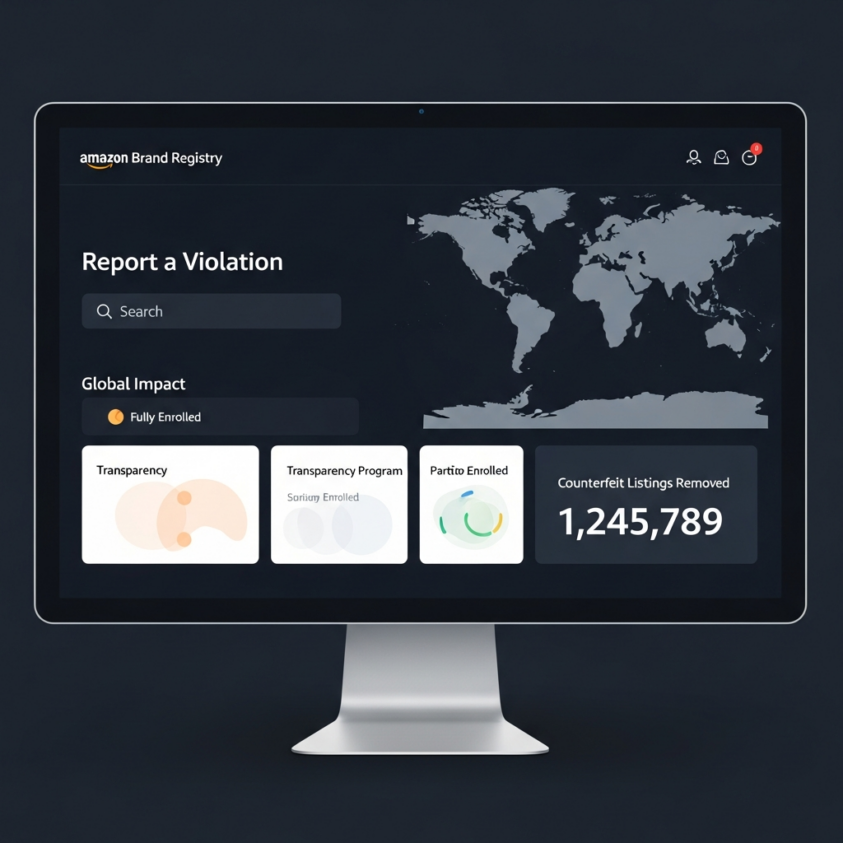
As a brand scales, its intellectual property becomes a target. A comprehensive “Phase Plan” for growth must include Brand Protection. This starts with Amazon Brand Registry, which allows owners to use the “Report a Violation” tool to remove counterfeiters. However, true brand protection extends beyond Amazon to marketplaces like eBay, Etsy, and AliExpress to prevent “gray market” sales from devaluing the brand.
Once the domestic market is stabilized and protected, the final frontier is global expansion. Moving into the European Union, specifically the UK, Spain, France, and Italy, allows brands to tap into a massive customer base via Pan-European FBA. This system enables sellers to store inventory in one region while fulfilling orders across multiple borders, effectively multiplying the brand’s reach without a proportional increase in logistical complexity. If you are ready to take your brand to the next level, feel free to contact us to discuss your scaling strategy.
Need Help Growing Your Sales?
We are here to help you scale.
Stay ahead with the latest tips and trends in online selling:
🎥 YouTube – EHP Consulting Group
📱 EHP Consulting Group
Written By: Janine Alaban
Email: [email protected]
Website: http://www.ehpconsultinggroup.com
Number: 925-293-3313
Date Written: August 26, 2026