 (925) 293-3313
Waking up to a notification that your Amazon seller account has been deactivated is a nightmare scenario for any e-commerce entrepreneur. However, suspension does not have to mean the end of your business. By following a structured, evidence-based approach, most sellers can navigate the reinstatement process successfully.

This guide outlines the strategic steps required to regain your selling privileges and protect your long-term account health.
Step 1: Mastering the Three Pillars of the Plan of Action (POA)
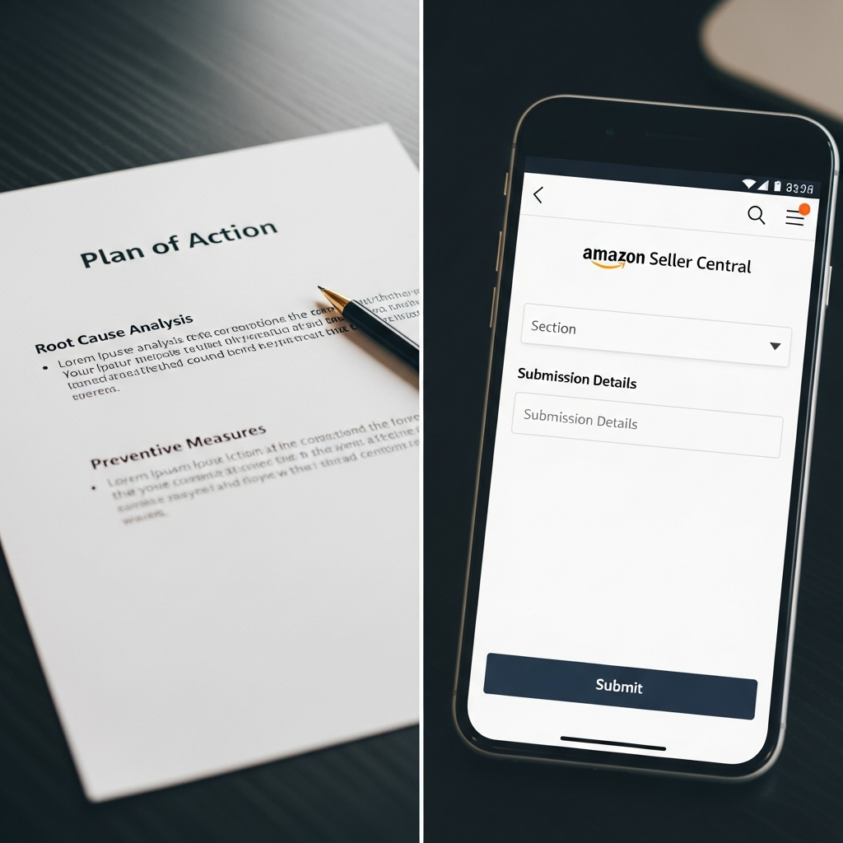
The Plan of Action (POA) is the most critical document in your reinstatement journey. Amazon’s investigators review thousands of these daily, so yours must be concise, factual, and structurally sound. A successful POA is divided into three distinct sections:
- Root Cause Analysis: You must identify exactly why the violation occurred. This requires a deep dive into your business processes rather than blaming external factors like “bad customers” or “aggressive competitors.” You must demonstrate a clear understanding of the specific Amazon policy that was breached.
- Immediate Corrective Actions: Detail the steps you have already taken to resolve the issue. This might include deleting problematic listings, issuing refunds to affected customers, or destroying inventory that does not meet quality standards.
- Preventive Measures: This is where you prove the issue will never happen again. Amazon looks for systemic changes, such as implementing new Standard Operating Procedures (SOPs), hiring quality control staff, or switching to more reliable suppliers.
Step 2: Utilizing the “Call Me Now” Feature for Direct Guidance
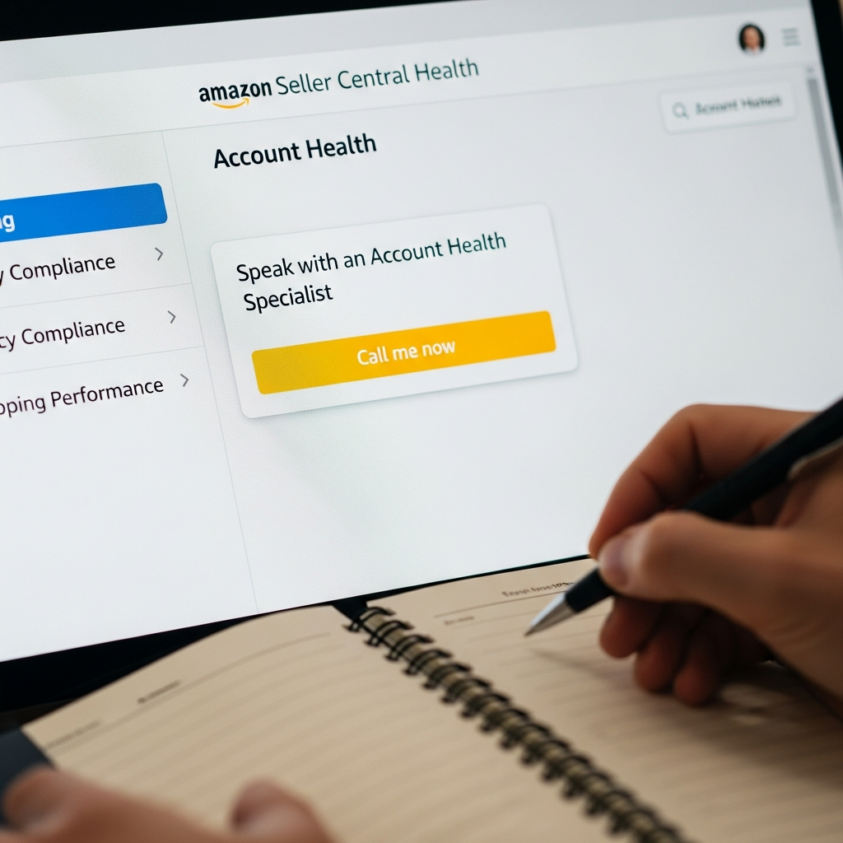
Professional Sellers have a powerful tool at their disposal: the “Call me now” button located on the Account Health page. Using this feature allows you to speak directly with an Account Health Specialist.
When speaking with these specialists, maintain a professional and unemotional tone. Their role is to provide guidance on the specific documents or information needed to resolve your case. Take detailed notes during these calls, as the insights provided can help you tailor your POA to meet the specific requirements of the investigator reviewing your file.
Step 3: Compiling Irrefutable Evidence and Documentation
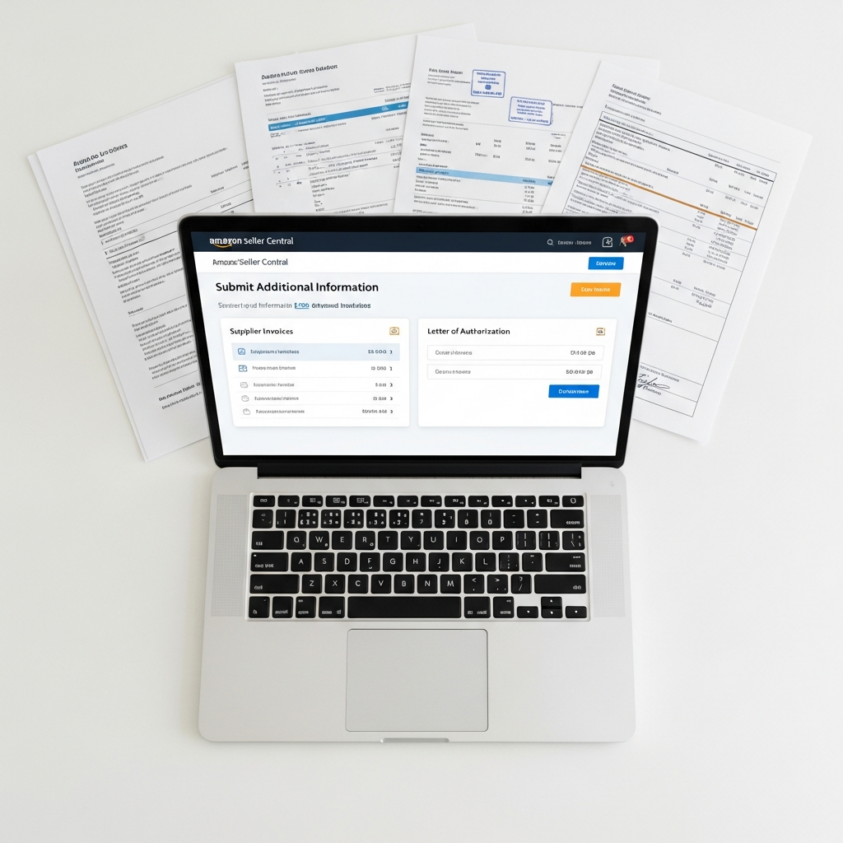
A common mistake is submitting a strong POA without enough supporting evidence. In complex cases, a reinstatement package can reach dozens of pages. To prove your case, you must provide clear, unaltered documentation:
- Supply Chain Proof: Provide invoices from the last 365 days and Letters of Authorization (LOA) from brand owners.
- Proof of Due Diligence: For intellectual property (IP) issues, provide screenshots of USPTO trademark searches to show you performed your due diligence before listing.
- Operational Records: If a staff error caused the suspension, include employee disciplinary records or termination papers to show accountability.
- Formal Training Materials: Include non-AI-written SOPs and training logs signed by your team to prove that preventive measures are being actively enforced.
Step 4: Avoiding the Trap of Templates and AI-Generated Appeals
Amazon’s automated systems have become highly sophisticated at detecting generic content. Using a “copy-paste” template found on a forum or relying entirely on AI to write your appeal is a fast track to a rejection. Every Amazon appeal must be unique to your specific situation.
Generic language suggests a lack of genuine effort to fix the underlying business problems. Furthermore, avoid the temptation to “clean up” or edit the metadata of your invoices. Amazon treats document manipulation as fraud, specifically a Section 3 violation, which often leads to permanent deactivation and the permanent withholding of your account funds.
Step 5: Understanding Timelines and the Role of Professional Support
Reinstatement is rarely instantaneous. Depending on the severity of the violation, timelines can vary significantly. Performance-related issues may be resolved within 3 to 10 days, while complex intellectual property or authenticity disputes can take weeks or even months of back-and-forth communication.
As Josh Hackett of EHP Consulting Group emphasizes, the quality of the first appeal is paramount. Rushing a poorly prepared submission can complicate the process and lead to longer wait times. If you are facing a complex legal or policy-based suspension, engaging with professional consultants who specialize in Amazon’s evolving compliance landscape can help ensure your documentation meets the rigorous standards required for a successful recovery.

Need Help Growing Your Sales?
We are here to help you scale.
Stay ahead with the latest tips and trends in online selling:
🎥 YouTube – EHP Consulting Group
📱 EHP Consulting Group
Written By: Janine Alaban
Email: info@ehpconsultinggroup.com
Website: http://www.ehpconsultinggroup.com
Number: 925-293-3313
Date Written: September 30, 2026