 (925) 293-3313
For any Amazon FBA seller, success isn’t just about selling products; it’s about managing them efficiently. At the heart of this efficiency is a single, powerful metric: the Inventory Performance Index (IPI) score. This score, ranging from 0 to 1,000, is Amazon’s measure of how well you manage your inventory in its fulfillment centers. Think of it as your inventory management report card; a good grade is critical to your business’s health and scalability.
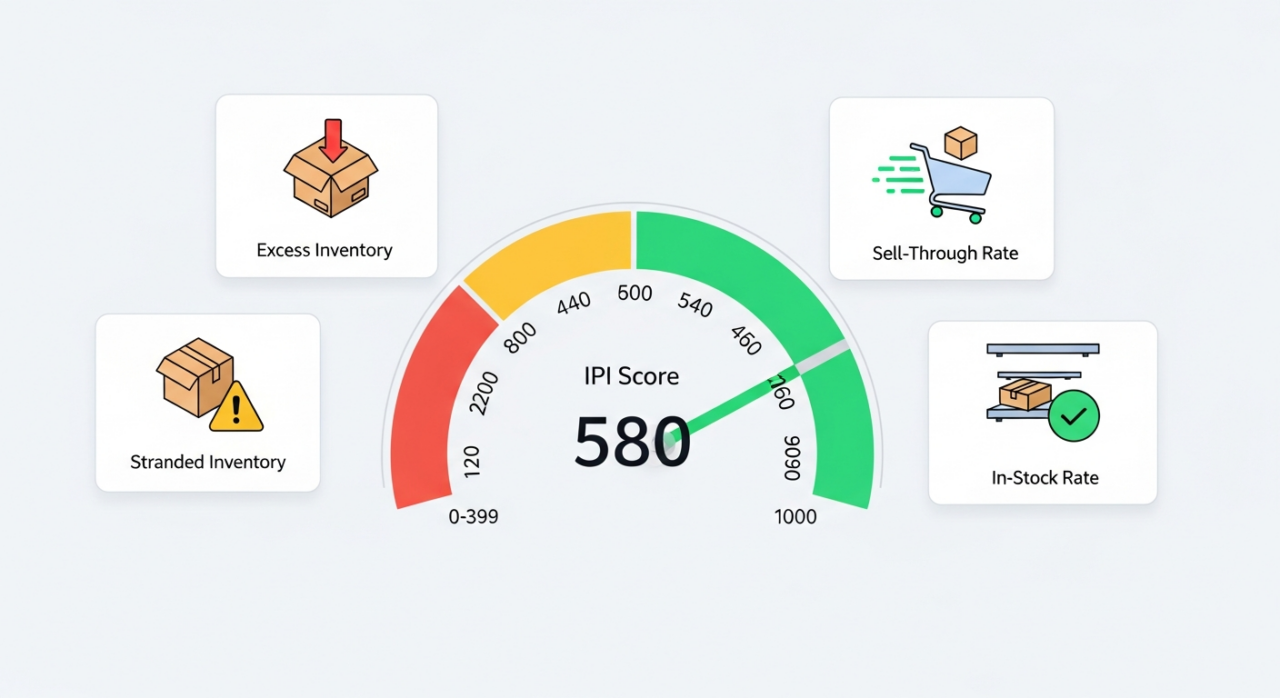
Currently, Amazon sets the minimum IPI score threshold at 400. Falling below this number can trigger significant restrictions on your account, while staying above it, ideally 550 or higher, ensures your operations run smoothly. A low IPI score isn’t just a number on a dashboard; it carries real-world consequences, including storage capacity limits, costly overage fees, and even restrictions on your ability to send new products to FBA. If your score falls below the threshold, Amazon provides a six-week grace period to improve before these limits take effect.
Understanding and actively managing the factors that influence your IPI score is non-negotiable. Let’s break down the proven strategies to not only meet the threshold but to excel, ensuring your inventory works for you, not against you.
1. Reduce Your Excess Inventory
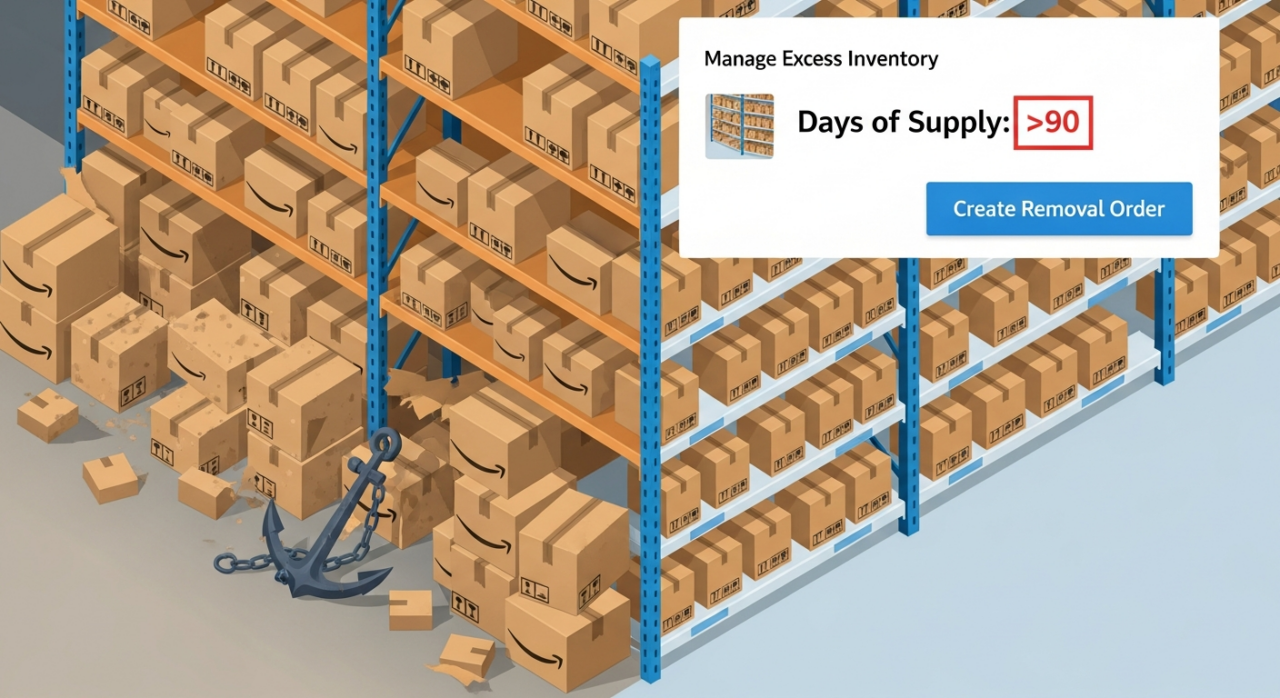
Amazon defines excess inventory as stock with more than a 90-day supply relative to forecast demand. This is the single biggest drag on most sellers’ IPI scores. Idle inventory costs you money in storage fees and tells Amazon that you aren’t managing your supply chain effectively. Aim to keep a lean 30- to 60-day supply of stock. To clear out slow-moving products, consider aggressive tactics like creating a removal order, running targeted PPC ad campaigns, offering discounts or promotions, or liquidating the stock. Getting rid of dead weight is the fastest way to see a positive impact on your score.
2. Improve Your Sell-Through Rate
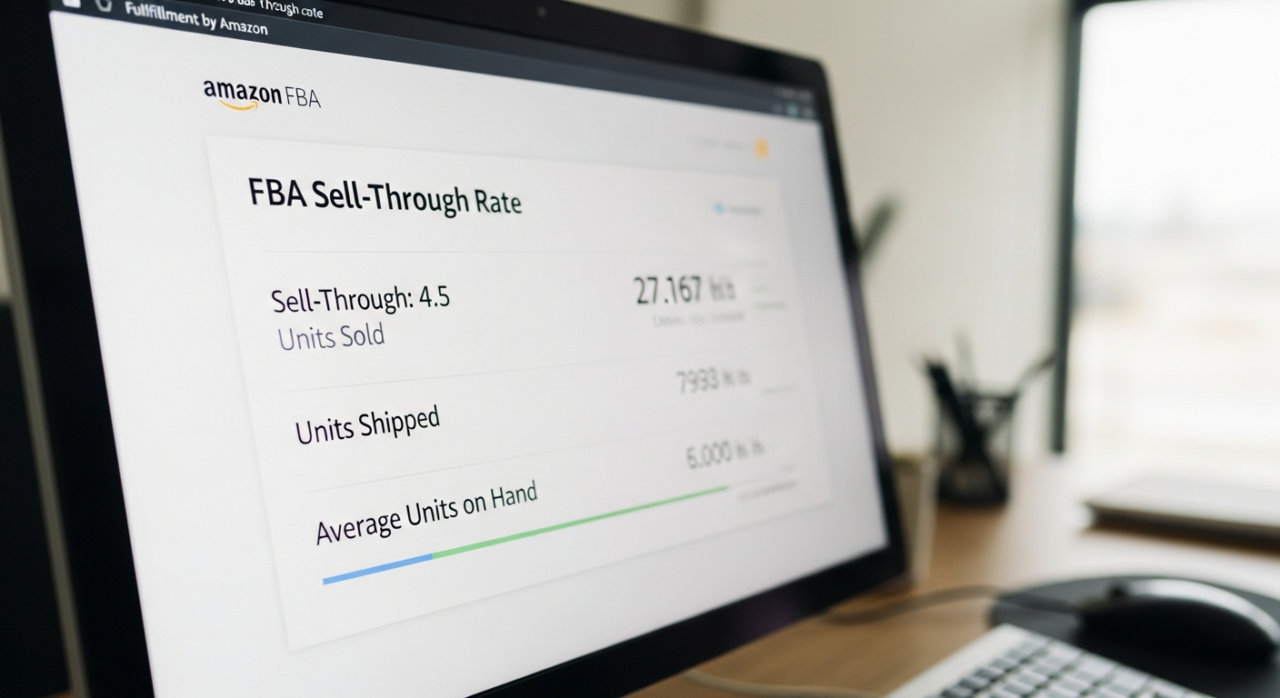
Your sell-through rate is a direct measure of how quickly you are selling products relative to the amount of inventory you have on hand. Calculated over the past 90 days, a higher sell-through rate demonstrates healthy demand and efficient stock management, which boosts your IPI score. To improve this metric, focus on driving sales. Optimize your product listings with better keywords, images, and copy. Run strategic advertising campaigns to increase visibility and traffic. Experiment with pricing to find the sweet spot that encourages conversions without sacrificing too much margin. The more units you move, the better this key metric will look.
3. Fix Stranded Inventory Immediately
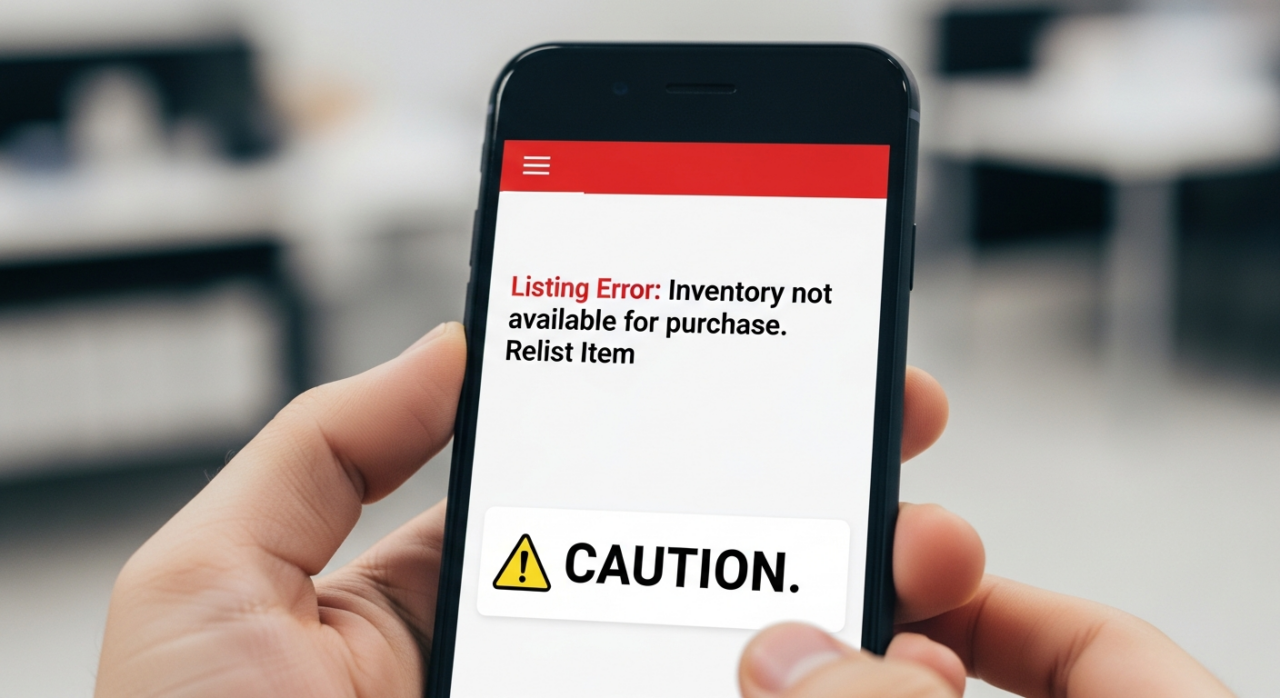
Stranded inventory is a silent killer for your IPI score. This is inventory sitting in a fulfillment center that is not available for purchase due to a listing error, pricing issue, or other problem. You are paying storage fees for products that cannot generate a single sale. This dead stock negatively impacts your score by occupying valuable warehouse space without contributing to your sell-through rate. Make it a regular habit to check the “Fix Stranded Inventory” page in Seller Central. Addressing these issues promptly relists your products, turns them back into sellable assets, and protects your IPI score.
4. Keep Popular Items In Stock
While going out of stock on a popular item doesn’t directly penalize your IPI score, keeping your best-sellers available does reward you. Amazon wants to see that you can effectively manage replenishment for high-demand products. By maintaining a healthy in-stock rate for these items, you maximize sales, which in turn positively influences your sell-through rate. Use Amazon’s inventory management tools to monitor sales velocity and set reorder points to avoid stockouts on your most important ASINs. This demonstrates you are a reliable seller who can meet customer demand.

5. Utilize Amazon Warehouse and Distribution (AWD)
For sellers looking for a more advanced inventory strategy, Amazon Warehouse and Distribution (AWD) offers a powerful solution. This service allows you to store bulk inventory in Amazon’s upstream distribution centers, separate from the main fulfillment centers that ship directly to customers. You can then set up an automated “drip feed” to replenish your FBA inventory as needed. This prevents you from sending too much stock to FBA at once, which can lead to excess inventory and long-term storage fees. By using AWD, you can maintain a lean inventory level at the fulfillment center, protecting your IPI score while ensuring you never miss a sale due to a stockout.

Mastering these IPI factors is an ongoing process that requires constant attention. If you’re struggling to balance these metrics or want expert guidance to optimize your account health, the team at EHP Consulting Group can help. Their comprehensive services are designed to tackle these challenges head-on. You can even start with a free listing audit to identify immediate opportunities for improvement. To learn more about how they can elevate your FBA business, contact us today.
Need Help Growing Your Sales?
We are here to help you scale.