 (925) 293-3313
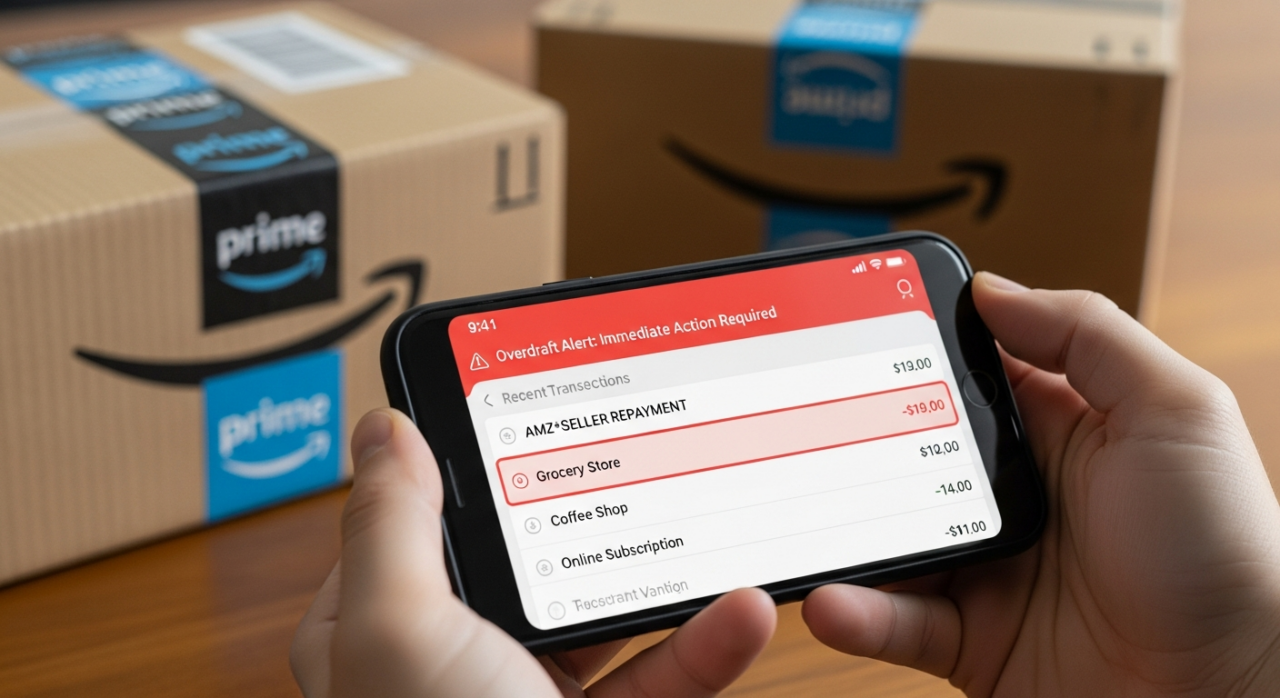
It’s a scenario every Amazon seller dreads: your account gets suspended, and you’re left with refunds, A-to-Z claims, and fees piling up. But what happens when those costs push your account balance into the red? Many sellers believe Amazon will only charge the credit card on file. The hard truth is, they can, and will, go directly into your bank account.
This isn’t a myth or a scare tactic; it’s written directly into the contract you agreed to when you started selling. The Amazon Services Business Solutions Agreement is a legally binding document that gives Amazon explicit permission to recover any funds you owe them, and they have several ways to do it.
The agreement contains a critical clause that states that for any amounts you owe, Amazon may “charge Your Credit Card or any other payment instrument you provide to us.” That “any other payment instrument” is the key phrase—it directly includes the bank account you linked for receiving disbursements. The contract goes even further, stating you authorize Amazon to “debit Your Bank Account for any sums payable by you.”
When your account balance turns negative, Amazon follows a clear process. First, they will notify you of the outstanding amount. Their initial step is often to try to charge the credit card you have on file. If that charge fails—perhaps because the card is expired, maxed out, or cancelled—they will not simply give up. Empowered by the agreement you signed, their next step is to debit the funds directly from your bank account. This is especially dangerous for suspended sellers who have no incoming sales revenue to offset the mounting fees and refund costs.
Whether this has always been Amazon’s policy or is a more recent change is debatable, but it doesn’t change the current reality. The agreement is clear, and sellers need to operate with the understanding that every payment method on file is accessible to Amazon for debt collection. Here is how you can protect yourself and manage this risk.
Understand the Agreement You Signed
The first step is acknowledging the reality of the situation. The Amazon Services Business Solutions Agreement is not just a formality; it’s a contract that dictates the rules of the entire platform. Take the time to review the sections on payments and fee collection. Understanding that you have already given Amazon permission to debit your bank account is crucial. Ignorance of the terms you agreed to is not a defense when a charge comes through unexpectedly.

Keep Your Credit Card Information Current
Amazon’s primary method for collecting a negative balance is typically charging the credit card on file. Ensuring this card is valid, active, and has a sufficient credit limit can act as a buffer. It gives you a chance to settle the debt via credit before Amazon resorts to a direct bank debit. Using a credit card also offers an additional layer of potential dispute resolution that is not available with a direct bank debit. Think of it as your first line of financial defense.
Monitor Your Balance and Account Health
Don’t let a negative balance surprise you. Make it a daily habit to check your Payments dashboard in Seller Central, especially if you are dealing with a high volume of returns or an account suspension. Pay close attention to your Account Health dashboard as well. Proactively addressing issues that could lead to claims and refunds can prevent your balance from dipping into negative territory in the first place.
Use a Separate Bank Account for Your Amazon Business
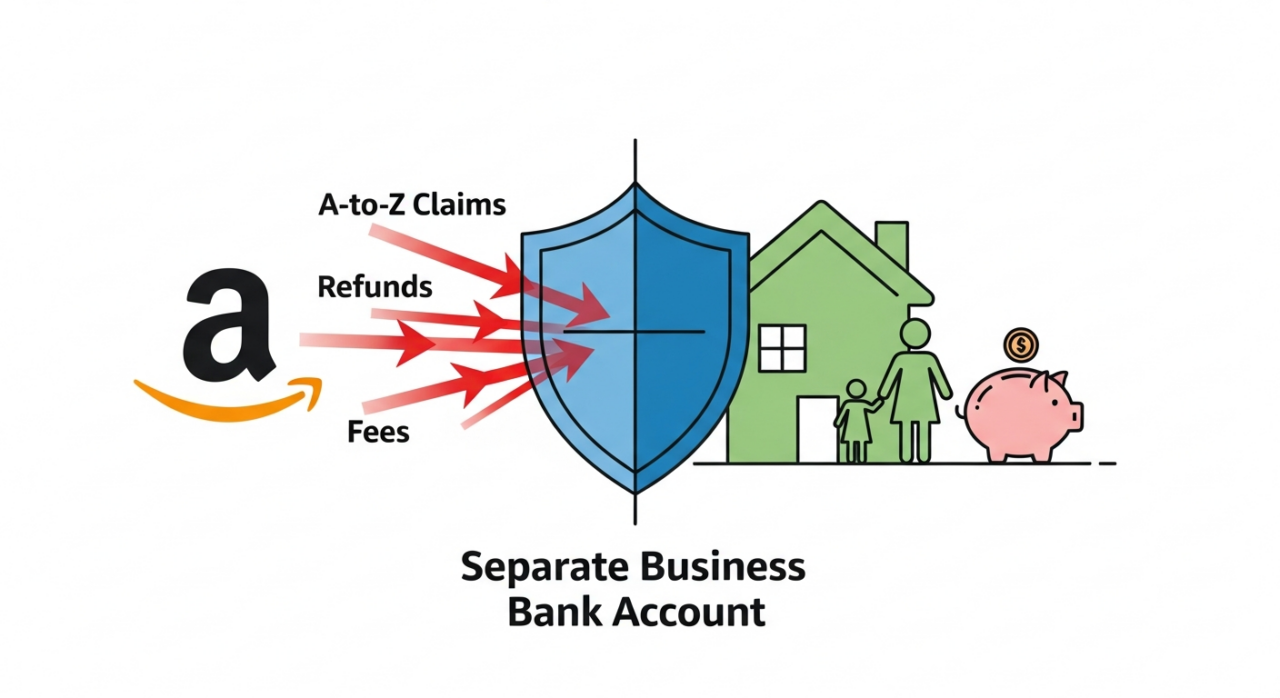
This is arguably the most critical protective measure you can take. Never use your personal checking or savings account for your Amazon business. Open a separate business bank account that you use exclusively for Amazon disbursements and payments. By doing this, you isolate your business finances from your personal finances. If Amazon does debit the account to cover a negative balance, the impact is contained to your business operations and won’t jeopardize the funds you need for personal living expenses like rent, mortgage, or groceries.
Address Negative Balances Immediately
If you receive a notification from Amazon about a negative balance, do not ignore it. The longer you wait, the more likely Amazon is to take matters into its own hands. Proactively work to resolve the balance. If you cannot cover it immediately, communicate with Amazon Support to understand your options. Waiting for an automatic charge is a reactive strategy; taking control of the payment is a proactive one that keeps you in charge of your finances.
If you find yourself in a complex situation with a suspended account or a persistent negative balance, navigating Amazon’s policies alone can be overwhelming. Seeking professional guidance from a firm like EHP Consulting Group can provide a clear path forward. Their specialized services can help you address the root cause of the issue and communicate effectively with Amazon. If you need assistance, you can reach out to their team for a consultation.
Need Help Growing Your Sales?
We are here to help you scale.
YouTube Channel Link: EHP Consulting Group on YouTube
TikTok Profile Link: EHP Consulting Group on TikTok
Written By: Ahzel P. Miral
Email: [email protected]
Website: http://www.ehpconsultinggroup.com
Number: 925-293-3313
Date Written: February 19, 2026