 (925) 293-3313
Protecting your brand on Amazon is a constant battle. You’ve poured your heart, time, and money into building your product and your reputation. Then you see it: a blatant copycat, stealing your images, your text, and your sales. Your first instinct is to report them, but then a wave of apprehension hits. If you file that infringement report, will the other seller know it was you? Can they retaliate?
This is a valid and common fear among brand owners. You want to protect your intellectual property, but you also want to protect your identity and safety. While you can’t file a report completely anonymously, you can take strategic steps to create a significant buffer between your personal identity and your enforcement actions. Let’s break down how the process works and how you can navigate it safely.

First, it’s essential to understand that when you file an IP infringement claim, Amazon provides your contact information—specifically your name and email address—to the seller you reported. This isn’t a flaw in the system; it’s a feature designed to facilitate direct communication and resolution. It allows the accused party to contact you to withdraw their listing or dispute the claim. Anonymity is not an option, as Amazon requires verified contact details (full name, address, phone, email) to process any report.
The primary concern, of course, is retaliation. When a seller’s listing is taken down, their account is suspended, or their funds are frozen, the impact is immediate and severe. For some, this can trigger an angry and unprofessional response, leading to harassment aimed at the email address you provided. Understanding this risk is the first step to mitigating it.
Create a “Digital Moat” with a Dedicated Email
This is the single most effective step you can take. Do not use your primary personal or business email for infringement reports. Instead, create a separate email address exclusively for this purpose. Consider something professional that reinforces your position as the rights owner, such as [email protected] or [email protected].
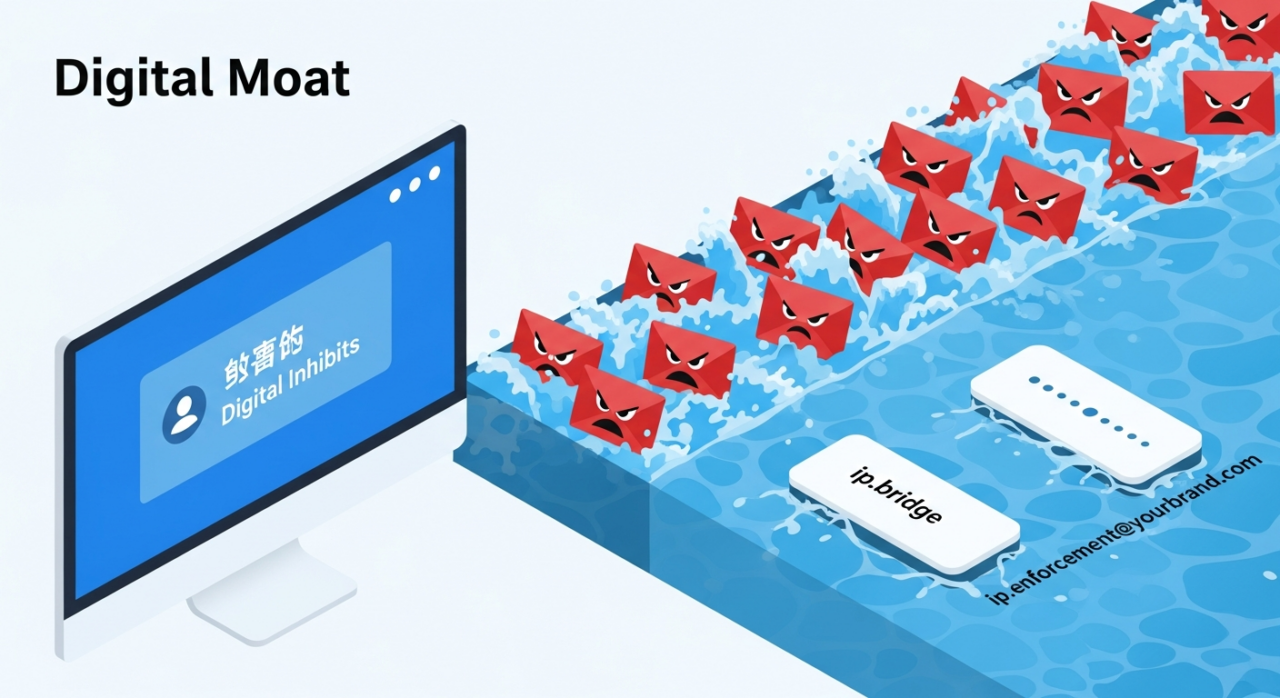
This strategy accomplishes two critical things. First, it firewalls your main inbox from any potentially hostile communication. You can check this dedicated inbox on your own terms, preventing angry messages from disrupting your daily workflow. Second, it adds a layer of professionalism that can sometimes de-escalate a situation. A message from [email protected] often carries more weight and is treated more formally than one from a personal email address.
Shield Yourself Behind Your Business Identity
Whenever possible, use your registered company name as the “contact name” on the infringement form. If your business is “Creative Gadgets LLC,” use that instead of your personal name. This immediately makes it harder for a disgruntled seller to find your personal social media profiles or other private information online. They will be searching for a company, not an individual.

If you are a sole proprietor without a registered business name, you can still create some distance. Consider using a variation of your name, like just your first name and middle initial, which is still truthful but adds a slight layer of obscurity. The key is to provide accurate information while minimizing the exposure of the personal details you use elsewhere.
Ensure Your Claim is an Iron Fortress
Your best defense against any form of retaliation is an unimpeachable claim. Before you file, be absolutely certain you have a “good-faith belief” that an infringement has occurred. This means having your trademark, copyright, or patent documentation in order and being sure the other listing violates your specific rights.
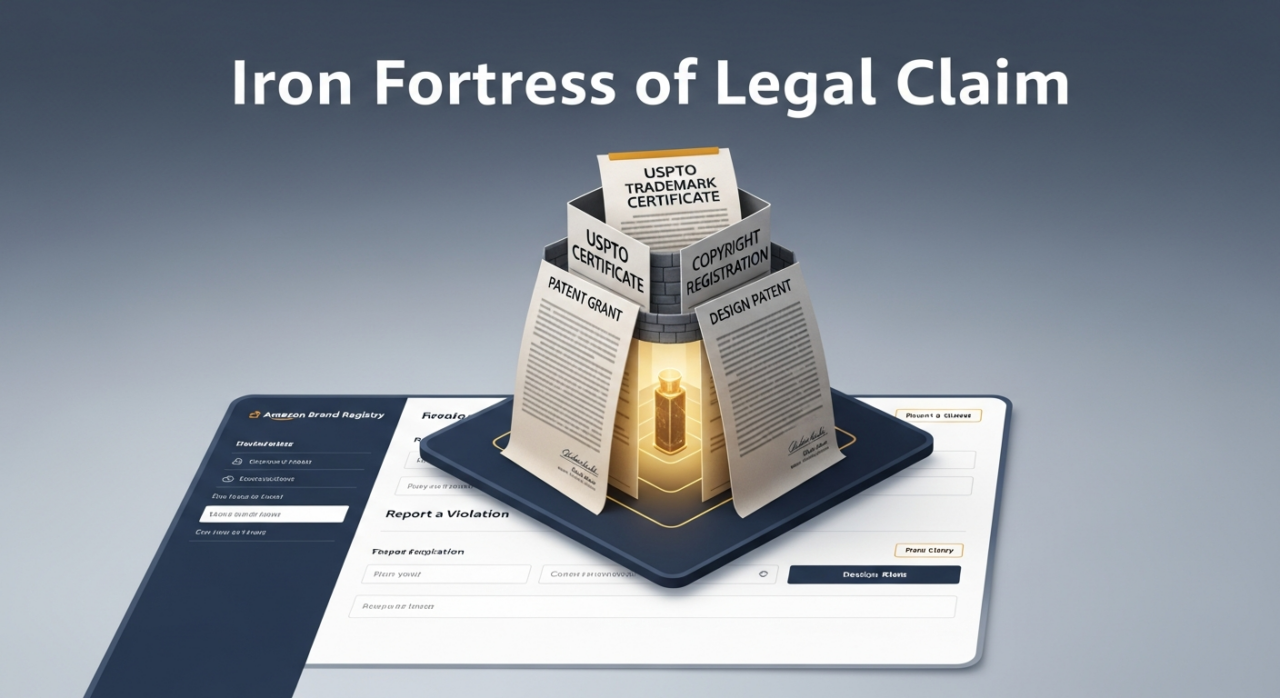
Filing weak, inaccurate, or malicious reports is the fastest way to invite trouble. Not only does it open you up to legal action for damages from the other seller, but it can also cause you to lose your own selling privileges. Amazon takes abuse of its reporting system very seriously. A strong, well-documented claim protects you because it is justifiable and defensible. When the claim is valid, any retaliation from the other party is simply harassment, whereas a false claim can put you in the wrong.
Ultimately, enforcing your intellectual property rights is a necessary part of doing business on Amazon. While the system’s transparency can feel intimidating, it doesn’t have to leave you vulnerable. By strategically managing the information you provide, you can build a protective barrier that allows you to defend your brand effectively and confidently, keeping the focus on the infringement, not on you.
Need Help Growing Your Sales?
We are here to help you scale.
YouTube Channel Link: EHP Consulting Group on YouTube
TikTok Profile Link: EHP Consulting Group on TikTok
Written By: Ahzel P. Miral
Email: [email protected]
Website: http://www.ehpconsultinggroup.com
Number: 925-293-3313
Date Written: February 5, 2026