 (925) 293-3313
Finding a “winning” product on Amazon can feel like searching for a needle in a digital haystack. With millions of products and fierce competition, how do you uncover the opportunities that others miss? The answer isn’t guesswork; it’s a data-driven strategy. By using the right tools and a proven methodology, you can systematically identify profitable niches, validate your ideas, and launch products with a much higher chance of success. These aren’t just theories; they are verified, actionable steps that successful sellers use every day.
1. Leverage a Powerful Research Tool
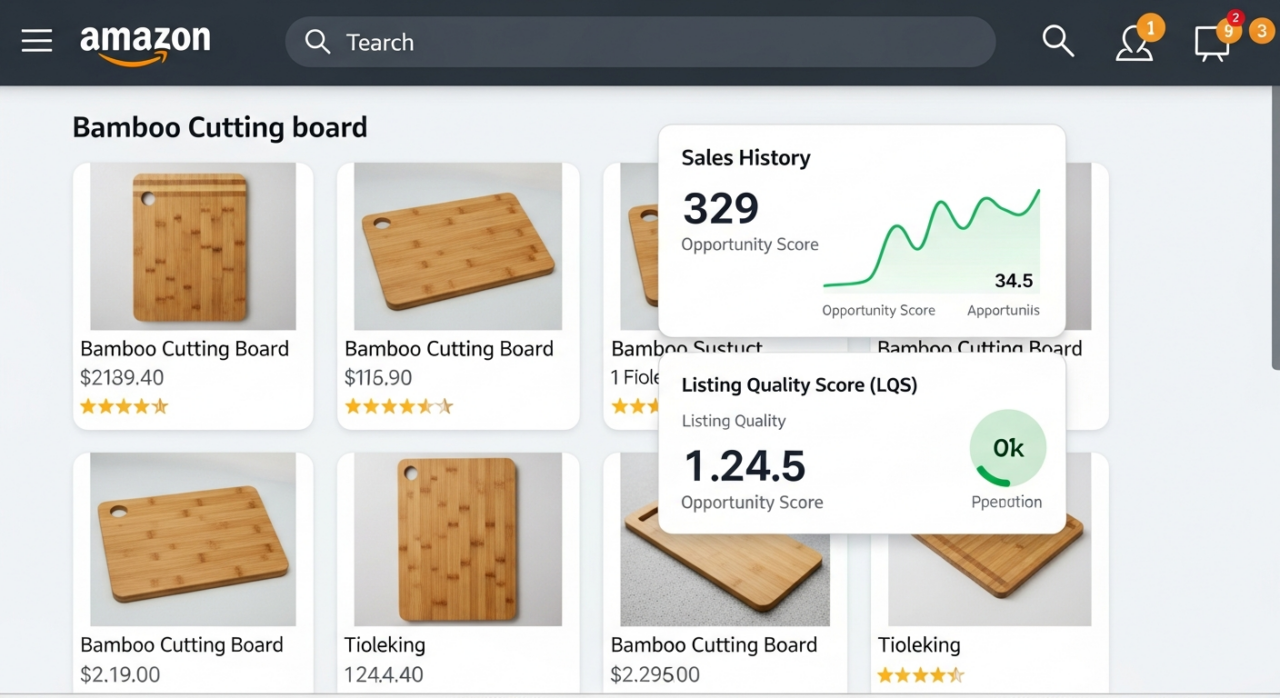
Your first step is to arm yourself with the right data. Manually gauging a product’s success is nearly impossible. This is where tools specifically designed for Amazon sellers become indispensable. A comprehensive tool with a browser extension can provide instant sales data, historical trends, and competitive insights directly on an Amazon search page. Features like an “Opportunity Finder” are designed to cut through the noise by analyzing demand and competition to highlight promising niches you might never have considered. This isn’t about replacing your intuition; it’s about backing it up with hard numbers.
2. Reverse Engineer Your Competition
Why reinvent the wheel when your competitors have already paved the road? A core strategy for finding market gaps is to reverse engineer what’s already working. By using a keyword research tool, you can see exactly which search terms your top competitors are ranking for. This gives you a clear picture of their strategy. But the real opportunity lies in identifying the related, less-competitive keywords they might be ignoring. This allows you to identify underserved customer segments and carve out your own space in a busy market.

3. Exploit Low-Quality Listings with High Demand
One of the most powerful signals of a golden opportunity is a product with high sales but a terrible product listing. This is often measured by a “Listing Quality Score.” When you find a competitor with blurry photos, a weak title, and poor-quality description text who is still selling a lot of units, it’s a massive red flag, in a good way. It means the underlying demand for that product is incredibly strong. This is your chance to enter the market with a superior, professionally optimized listing and capture a significant share of that built-in demand.

4. Find the Niche Within the Niche
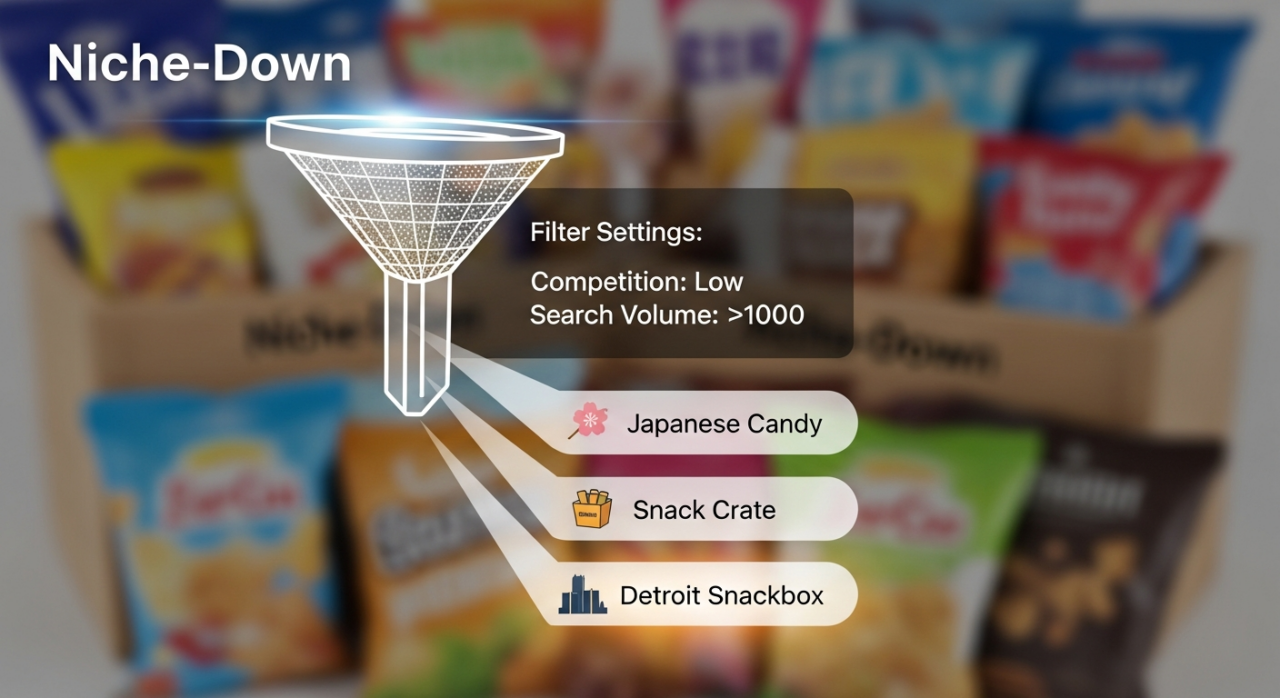
Broad markets are often saturated. The key to finding a profitable entry point is to drill down into more specific categories. This is a fundamental product research technique. Start with a broad keyword, such as “Japanese candy,” and then use filters to narrow your search. By filtering for keywords with fewer organic and sponsored products, you can uncover hidden gems. This process might take you from a general idea like “Japanese candy” to a more specific “snack crate,” and finally to a highly targeted, underserved niche like a “Detroit snackbox.” This specificity is where lower competition and higher conversion rates are often found.
5. Let Customer Reviews Guide Your Product Improvements
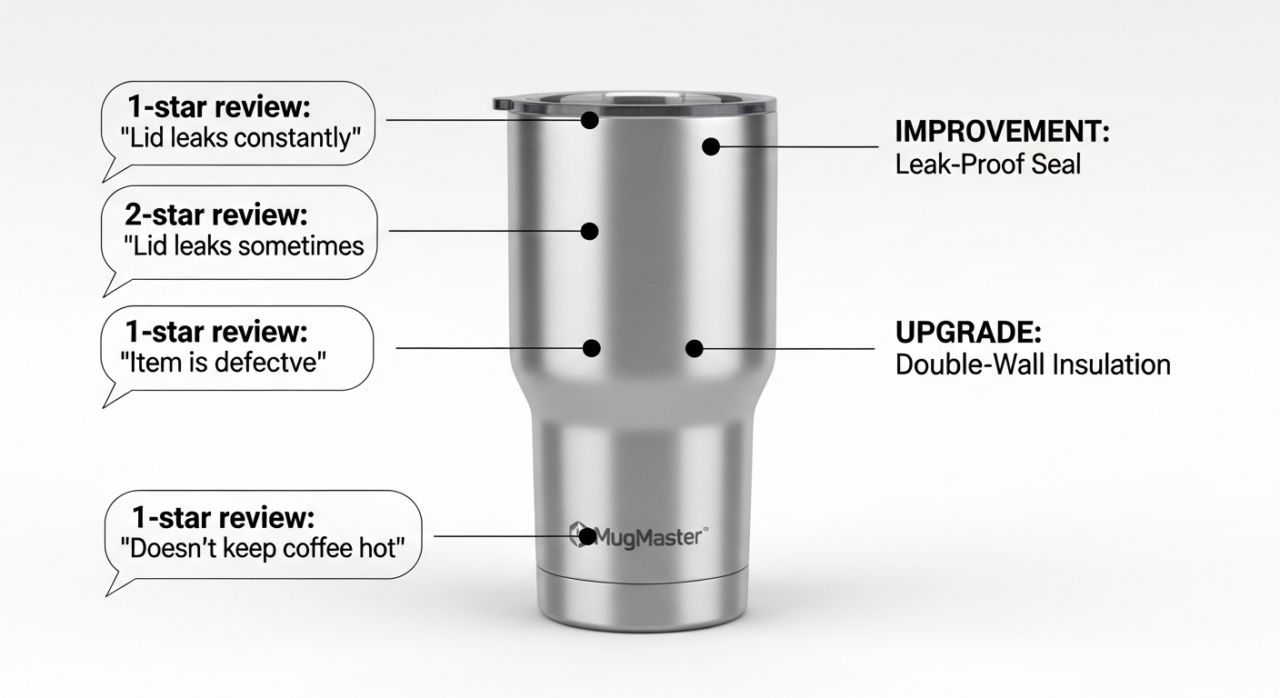
Your future customers are already telling you exactly what they want; you just have to listen. Analyzing customer reviews of competing products is a free, invaluable source of market research. Pay special attention to the 1, 2, and 3-star reviews. These negative comments are a roadmap for product development. They highlight common frustrations, product flaws, and unmet needs. If multiple reviews complain about flimsy packaging or a specific missing feature, you now have a clear direction for creating a better version of that product and immediately standing out.
6. Validate Your Niche Before Committing
Once you have a promising product idea, the final step before investing your capital is validation. A good research tool will often provide an “Opportunity Score” or “Niche Score” that evaluates a product’s potential based on demand, competition, and listing quality. This gives you an objective, data-backed assessment of your idea. It’s also critical to consider factors like seasonality. For example, while “Japanese snacks” might sell year-round, they often see a significant sales peak during the holiday season. Understanding these trends ensures you can manage your inventory and marketing efforts effectively, preventing you from misinterpreting a seasonal spike as consistent, year-round demand.

Need Help Growing Your Sales?
We are here to help you scale.
<div style="display:flex;gap:15px;justify-content:center;margin:20px 0;">

    <a href="https://ehpconsultinggroup.com/contact-us/" style="background:#1f2937;color:white;padding:12px 24px;border-radius:8px;text-decoration:none;font-weight:bold;">Contact Us</a>

    <a href="https://calendly.com/salesteam-ehpconsultinggroup/30min" style="background:#2563eb;color:white;padding:12px 24px;border-radius:8px;text-decoration:none;font-weight:bold;">Schedule Call</a>

</div>