 (925) 293-3313
Amazon’s search bar is no longer just a search bar. It’s becoming a conversation. The introduction of Rufus, Amazon’s new generative AI shopping assistant, marks a fundamental shift in how customers discover, research, and buy products. Named after a Corgi who was a beloved part of Amazon’s early days, this AI is poised to change the selling game. For FBA sellers, clinging to old SEO tactics like keyword stuffing is a recipe for being left behind. The future belongs to those who adapt.
This isn’t about finding a new trick or a single hack. Winning in the age of Rufus requires a holistic strategy focused on one thing: providing the best, most comprehensive information for the customer. The AI is trained on Amazon’s entire product catalog, customer reviews, and community Q&A sections. Your job is to make sure your product’s data is an A+ student. Here are the essential strategies you need to implement now.
1. Optimize for Conversations, Not Just Keywords
The era of cramming every possible keyword into your title and bullet points is over. Rufus understands natural language and context. A customer won’t just type “dinosaur toy”; they’ll ask, “What are the best dinosaur toys for a five-year-old that are good for outdoor play?” Rufus will scan product detail pages for the most relevant answer.

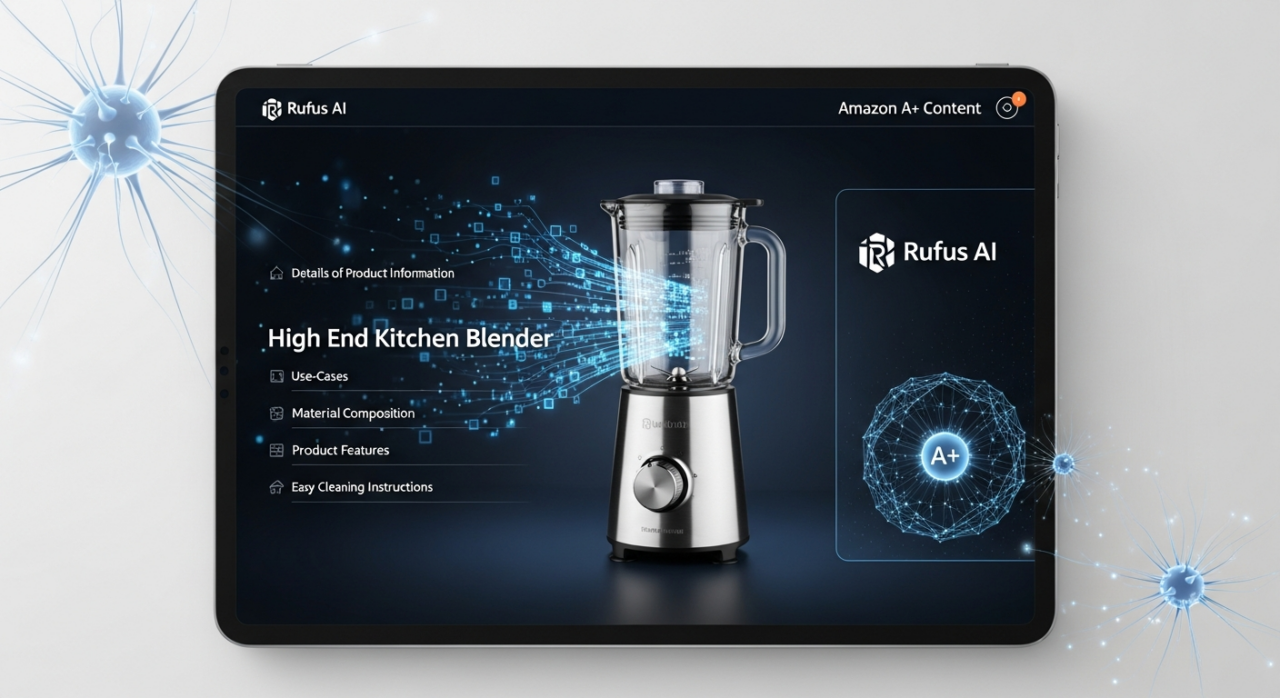
To prepare, you must treat your entire listing as a comprehensive answer sheet. Every section—title, bullet points, product description, and A+ Content—needs to be rich with information. Think about the questions a customer would ask and answer them directly in your copy. Describe use-cases, benefits, materials, and ideal customer profiles in a clear, natural tone. A+ Content is no longer just a branding opportunity; it’s a critical space to provide the detailed information and context Rufus needs to confidently recommend your product.
2. Supercharge Your Visual Content
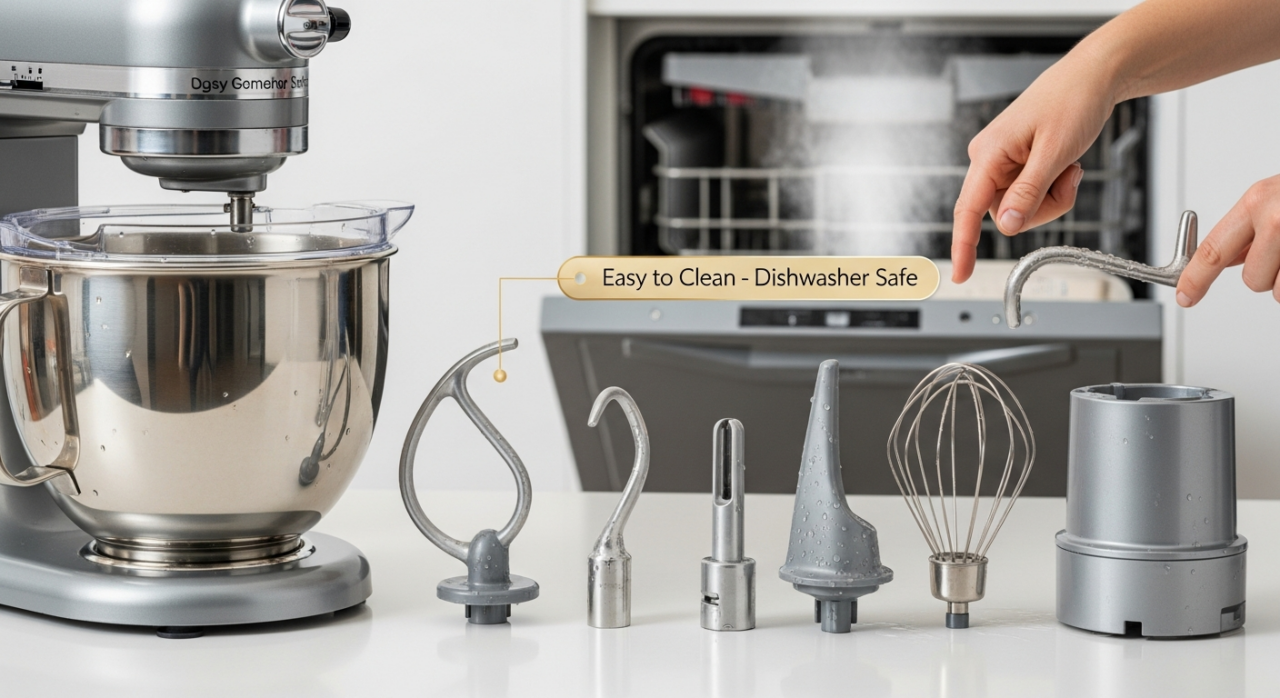
Rufus doesn’t just read your text; it reads your images, too. Thanks to Optical Character Recognition (OCR), any text embedded within your product photos is now indexable data. This is a massive opportunity. Your infographics, comparison charts, size guides, and callouts on images are now more powerful than ever. Use this to your advantage by visually highlighting key features, benefits, and instructions.

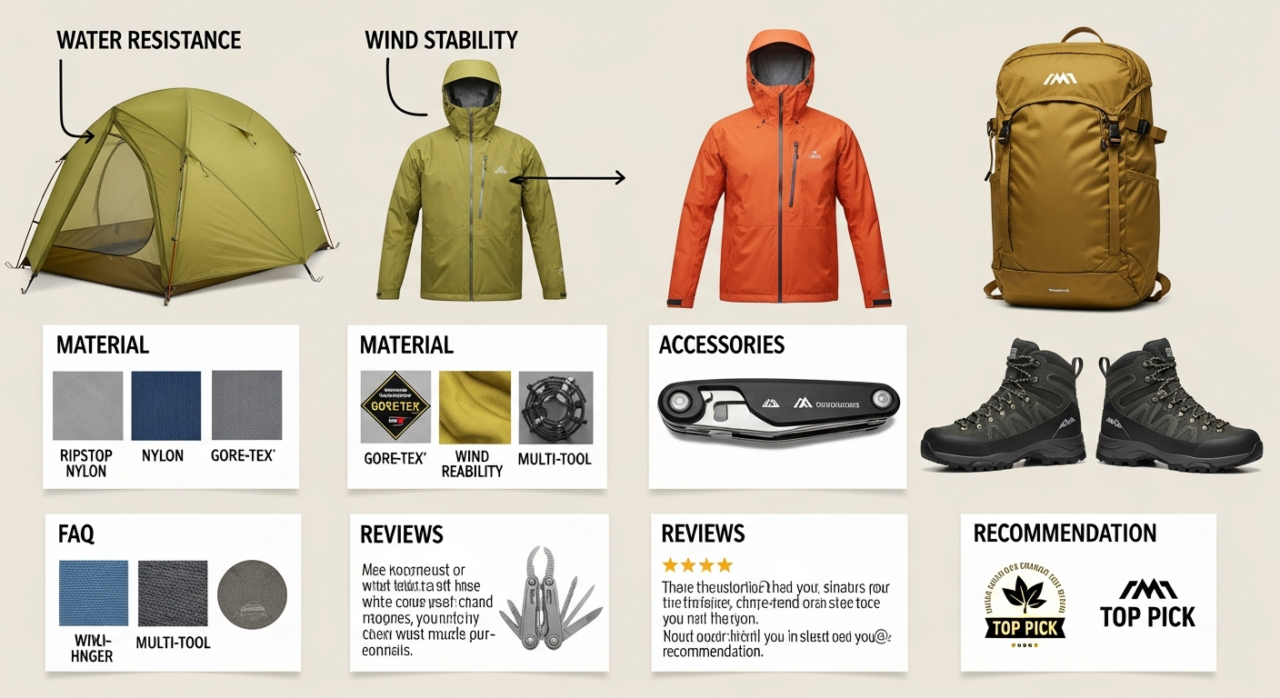
Beyond text, the AI analyzes the visual content itself to understand context. High-quality lifestyle images showing your product in use are crucial. They help Rufus understand who the product is for and how it’s used, allowing it to answer nuanced customer questions like, “Can this backpack fit a 15-inch laptop and a water bottle?” Your images must not only look good but also serve as a source of valuable information.
3. Cultivate High-Quality, Informative Reviews
Customer reviews have always been important, but with Rufus, they’ve become a primary data source for answering questions. The AI synthesizes information from hundreds of reviews to give customers a summary of real-world product performance, common praises, and potential drawbacks.
This means the quality of your reviews is more important than the sheer quantity. A single detailed review discussing specific features and how the product solved a problem is more valuable to the AI than ten reviews that just say “great product.” Encourage genuine, in-depth feedback. While the exact algorithm is complex, early analysis suggests that Rufus tends to favor products with a strong rating, often 4.0 stars or higher. While using third-party services to generate reviews can be tempting, always be cautious. Any service that attempts to manipulate reviews or goes against Amazon’s strict terms of service puts your account at risk. Focus on organic strategies built around a great product and excellent customer service.
4. Answer Every Potential Question Proactively
Your ultimate goal is to make your product detail page the single most authoritative source of information about your product online. Anticipate every question, doubt, or curiosity a customer might have and address it somewhere in your listing.
Leverage the “Customer questions & answers” section. Proactively answer common questions yourself to ensure the information is accurate and comprehensive. Look at competitor Q&As to see what customers are asking about similar products. Every piece of content you add—from the backend search terms to the A+ Content modules—builds a more complete picture for both the customer and the AI. When a shopper asks Rufus a specific, niche question, you want your listing to be the one that has the most direct and helpful answer. This is how you’ll win the recommendation..
Need Help Growing Your Sales?
We are here to help you scale.
Note: Include the buttons at the bottom by using “Custom HTML”(Here)
Written By: Liezel Felisilda
📺 YouTube: EHP Consulting Group on YouTube
🎵 TikTok: EHP Consulting Group on TikTok
Email: [email protected]
Website: www.ehpconsultinggroup.com
Number: 925-293-3313
Date Written: January 2, 2026