 (925) 293-3313
Navigating the world of Amazon selling can feel like learning a new language. The platform is filled with acronyms and unique terminology that can be overwhelming for new and even experienced sellers. Understanding these key terms is the first step toward managing your business effectively, optimizing your strategy, and ultimately, boosting your profitability. Let’s decode the essential vocabulary every Amazon seller needs to know.
Decoding Fulfillment: FBA vs. FBM
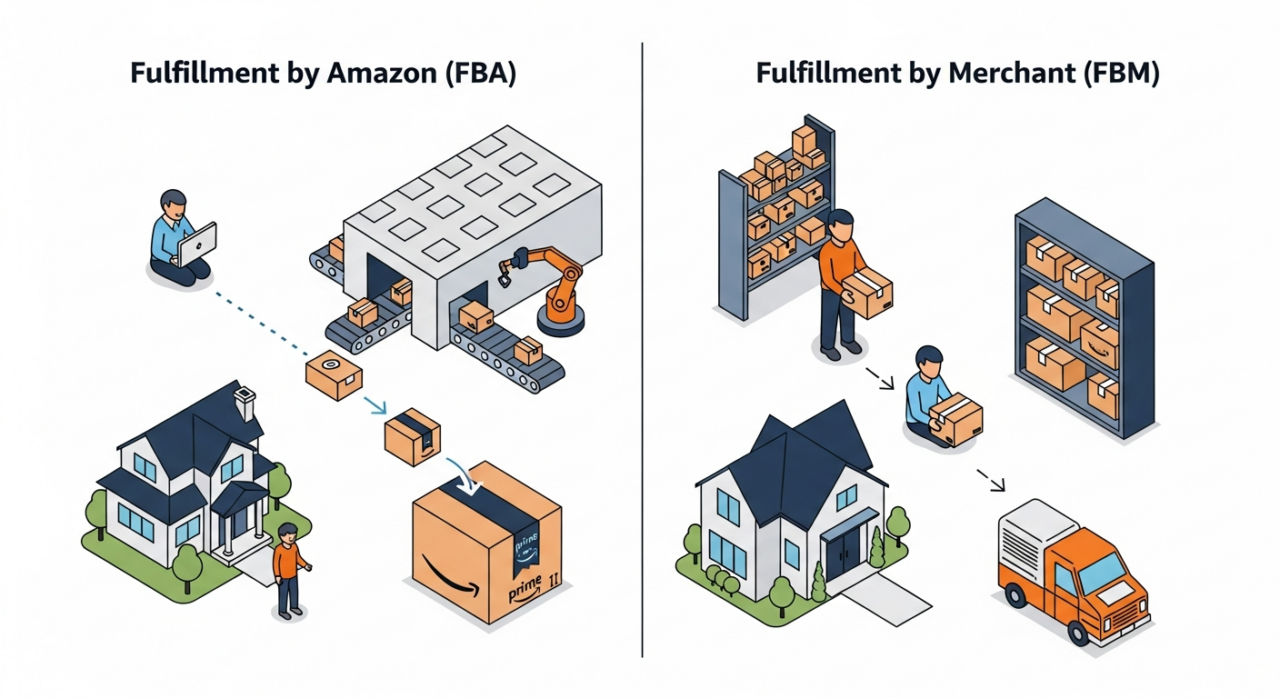
One of the first major decisions you’ll make as a seller is how to get your products to your customers. Your choice comes down to two primary methods.
Fulfillment by Amazon (FBA): With FBA, you send your inventory to Amazon’s massive fulfillment centers, and they take it from there. Amazon handles the storage, picking, packing, and shipping of your orders. They also manage customer service and returns. The most significant advantage of FBA is that it makes your products eligible for Amazon Prime, offering customers fast, free shipping—a powerful conversion driver.
Fulfillment by Merchant (FBM): If you choose FBM, you are in complete control. You store your own inventory, pack your own orders, and ship them directly to the customer. This method gives you more hands-on control and can potentially lead to higher margins since you aren’t paying FBA fees. However, you are solely responsible for meeting Amazon’s shipping standards, as well as handling all customer service inquiries and returns.
Mastering Your Financial Metrics
To run a successful business, you have to know your numbers. These metrics are crucial for understanding the health and profitability of your Amazon store.
Net Margin: This is your bottom line. Net Margin is the percentage of revenue left after you’ve paid for all your expenses, including product costs, fees, advertising, and taxes. A healthy net margin is the truest indicator of your business’s profitability.
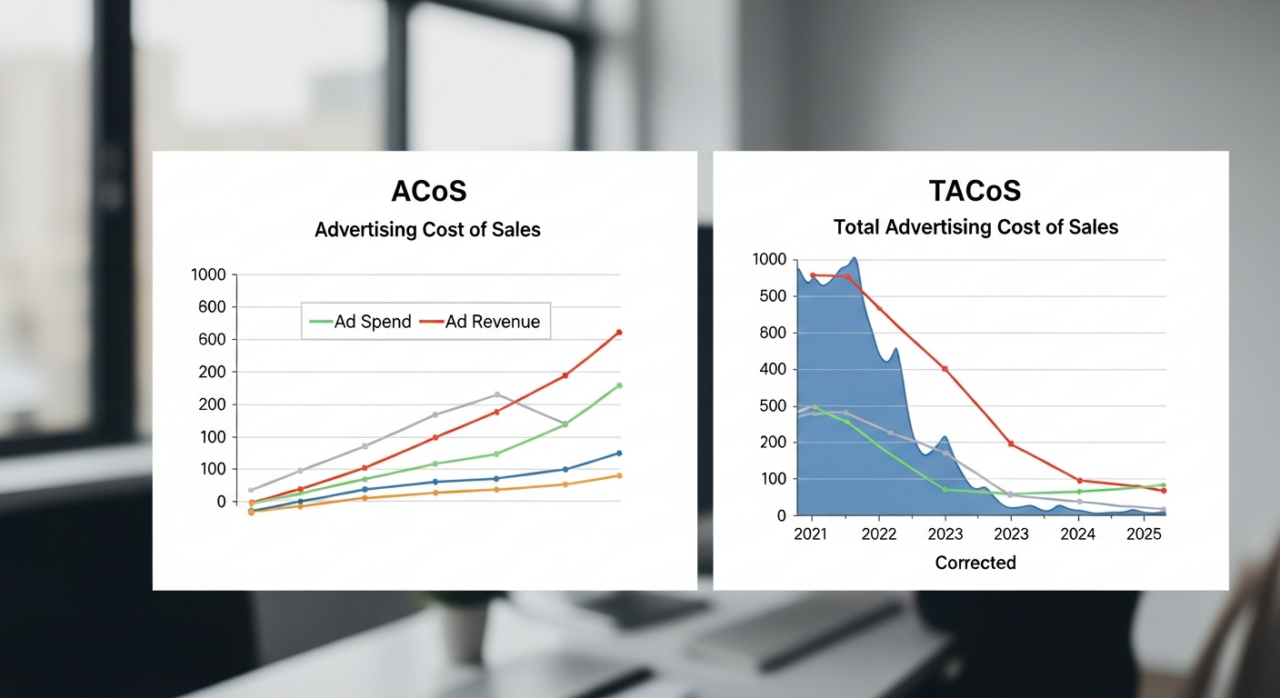
Advertising Cost of Sale (ACoS): This metric is essential for anyone running Amazon PPC (Pay-Per-Click) campaigns. ACoS measures the efficiency of your ad spend by showing how much you spent on advertising to generate a sale. It’s calculated by dividing your ad spend by your ad sales. A lower ACoS means your ad campaign is more efficient.
Total Advertising Cost of Sale (TACoS): While ACoS looks only at ad sales, TACoS gives you a bigger picture. It measures your ad spend relative to your total revenue (ad sales + organic sales). This metric helps you understand how your advertising efforts are influencing your overall sales, not just the sales directly attributed to clicks. A decreasing TACoS over time suggests your ads are successfully boosting organic rank and brand awareness.
Navigating Inventory Management
How you manage your inventory can make or break your success on Amazon, especially if you use FBA.
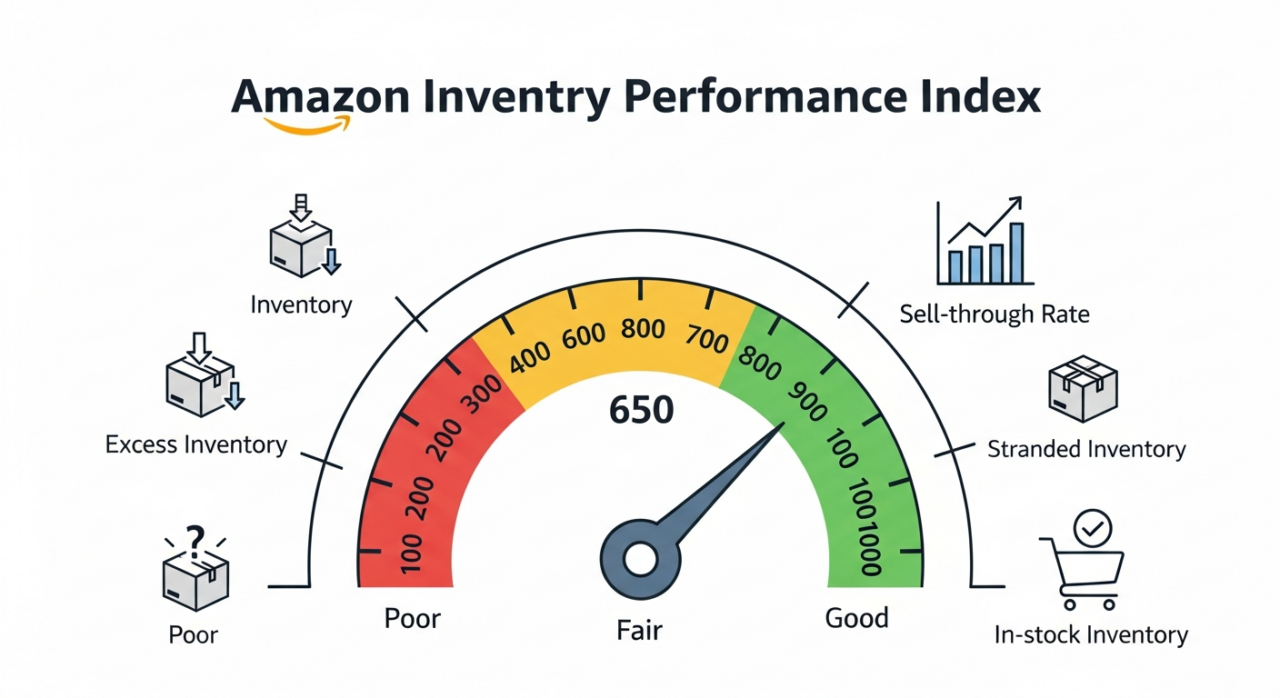
Inventory Performance Index (IPI) Score: Think of the IPI as Amazon’s report card for your FBA inventory management. This score, ranging from 0 to 1,000, measures how well you are balancing inventory levels, keeping popular products in stock, fixing listing issues, and avoiding excess stock. Amazon’s minimum threshold is currently 400, but you should aim for a score of 550 or higher to ensure you don’t face storage limits.
Long-Term Storage Fees (LTSF): Amazon wants its fulfillment centers to be for moving products, not for long-term storage. If your inventory sits in a warehouse for more than 365 days, you will be charged LTSF on top of your standard monthly storage fees. These fees can eat into your profits quickly, making it critical to manage slow-moving stock.
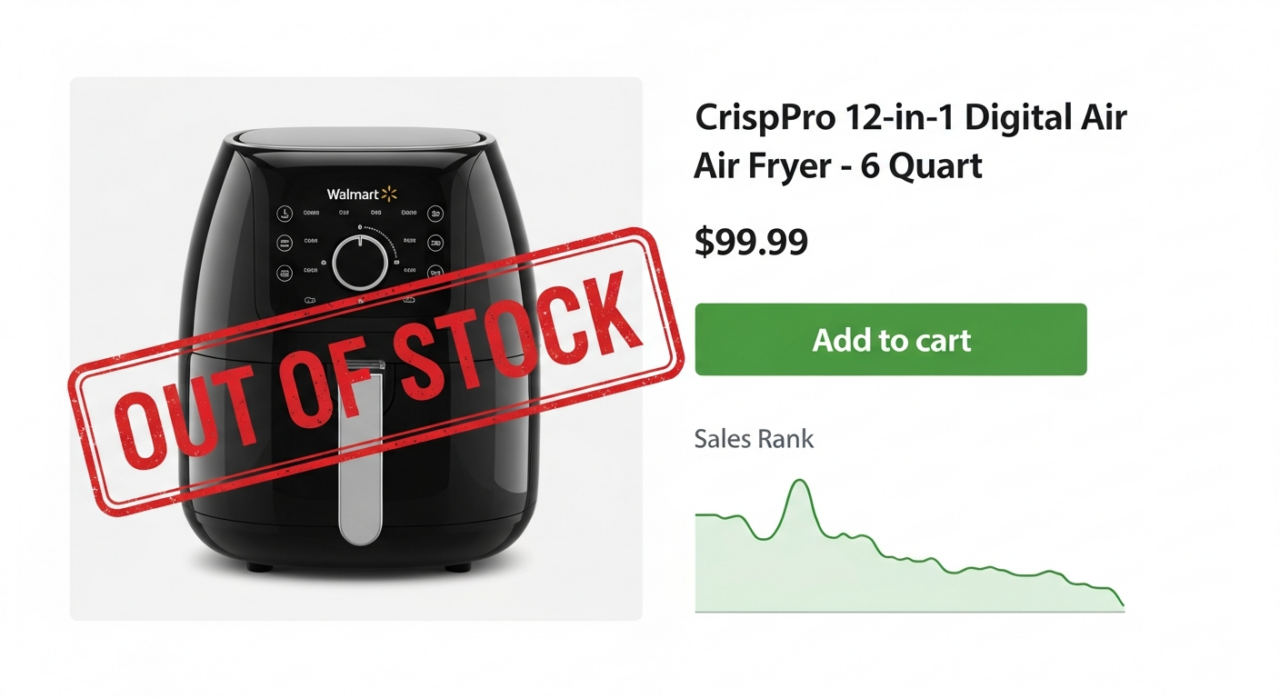
Out of Stock (OOS): Going out of stock on a popular item is a major problem. Not only do you lose out on immediate sales, but it can also harm your product’s sales velocity and search ranking. When your product is unavailable, competitors gain an advantage, and it can be difficult to regain your previous momentum once you restock.
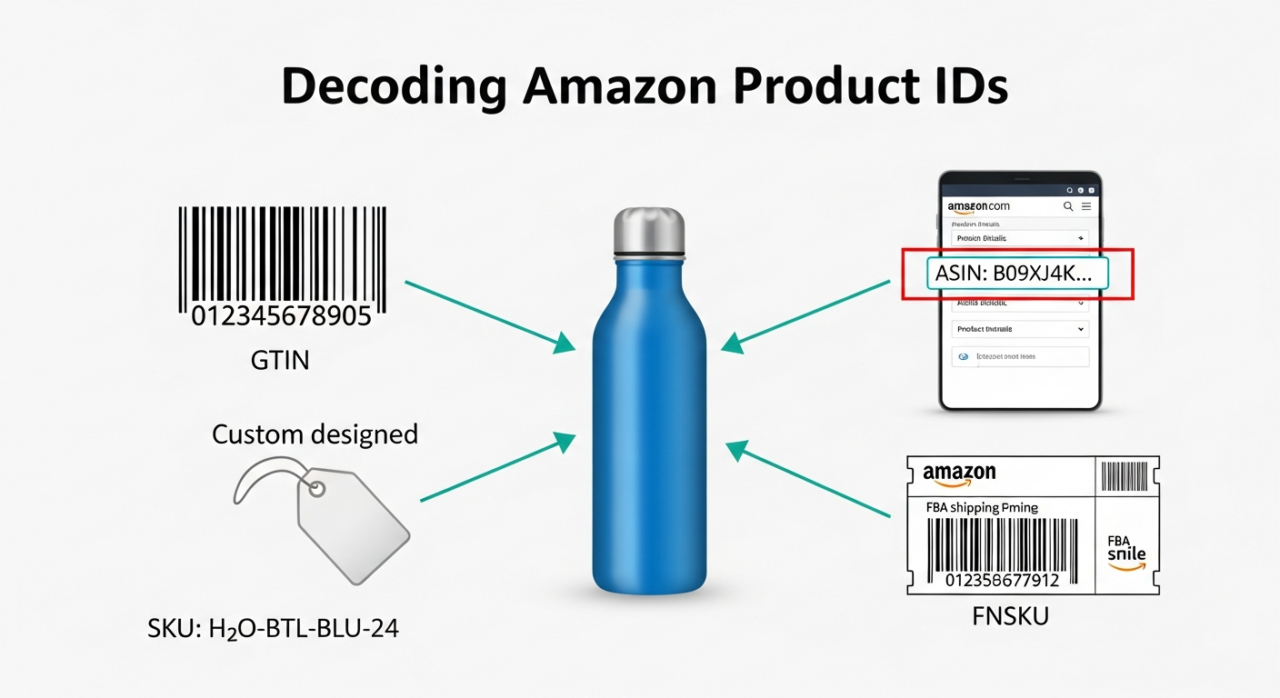
The Alphabet Soup of Product IDs
Amazon’s catalog is built on a system of unique codes. Understanding what each one does is crucial for listing products correctly and managing your inventory.
Global Trade Item Number (GTIN): This is the universal barcode number for a product. GTINs are used globally to identify products across the entire supply chain. The most common types you’ll encounter are UPCs (Universal Product Codes) in North America and EANs (European Article Numbers) in Europe. You typically need a GTIN to create a new product listing on Amazon.
Amazon Standard Identification Number (ASIN): Once a product is in Amazon’s catalog, it is assigned a unique ASIN. This 10-character alphanumeric code is how Amazon tracks every item on its platform. If you are selling a product that already exists on Amazon, you will list your offer under the existing ASIN. For books, the ASIN is the same as the ISBN.
Stock Keeping Unit (SKU): This one is for you. A SKU is a unique code that you create to identify and track your products internally. You can customize your SKUs to include useful information like the supplier, product type, color, or size, making your own inventory management much easier.
Fulfillment Network Stock Keeping Unit (FNSKU): This code is specific to Amazon’s FBA system. When you send a product to an Amazon fulfillment center, it gets an FNSKU barcode. This identifier is crucial because it links that specific unit to you, the seller. This prevents your inventory from getting mixed with the same product sold by another seller, ensuring that when a customer buys from you, they receive an item from your stock..
Need Help Growing Your Sales?
We are here to help you scale.
YouTube Channel Link: EHP Consulting Group on YouTube
TikTok Profile Link: EHP Consulting Group on TikTok
Written By: Ahzel P. Miral
Email: info@ehpconsultinggroup.com
Website: http://www.ehpconsultinggroup.com
Number: 925-293-3313
Date Written: June 16, 2026