 (925) 293-3313
It’s one of the most stressful notifications a Walmart seller can receive: your payments have been suspended. The immediate panic is understandable. Your cash flow is frozen, but the orders might still be coming in. Before you assume the worst, take a deep breath. A payment suspension is not always a full account suspension, and in many cases, it’s a resolvable issue. This guide will walk you through the essential steps to understand the situation, build your case, and work toward getting your funds released.

1. Understand Why Your Payments Were Suspended
The first step toward a solution is diagnosis. While Walmart may not always provide a crystal-clear, detailed reason upfront, payment holds are typically triggered by specific risk factors. One of the most common, yet unofficial, reasons is a sudden, dramatic spike in your sales volume. If your sales rapidly increase compared to your history, Walmart’s risk assessment systems may flag your account for review, leading to a temporary payment hold.

Other common reasons include:
New Seller Status: If you’ve been on the platform for less than 90 days, you are subject to an initial payment hold period while Walmart vets your performance.
Performance Metrics: Slipping below Walmart’s required standards for metrics like On-Time Delivery Rate or Valid Tracking Rate can trigger a hold.
Trust and Safety Violations: Selling prohibited items, counterfeit goods, or violating the Marketplace Retailer Agreement can lead to immediate payment freezes.
Legal Issues: An external legal action, such as a Temporary Restraining Order (TRO), can also result in your funds being held.
Identifying the likely cause is critical for crafting an effective appeal.
2. Confirm Your Selling Status
Here’s a crucial piece of good news: in many cases, a payment suspension does not mean your store is shut down. It’s entirely possible for your payments to be held while your account remains active, and you can continue to sell products and fulfill orders. This is a key distinction from a full account suspension, where all selling privileges are revoked. Check your Seller Center dashboard. If you can still manage listings and see new orders, you are dealing with a payment-only issue. Continuing to fulfill orders perfectly during this time can even strengthen your case when you appeal.
3. Gather Your Evidence and Build Your Case
Now it’s time to prove you are a legitimate, reliable, and trustworthy seller. Don’t wait to be asked for everything. Proactively gather documentation that supports your business operations. This is about building a “plan of action” that demonstrates your credibility.
Key documents to prepare include:
Supplier Invoices: Recent, legitimate invoices showing your product sourcing.
Warehouse Photos: Clear images of your inventory and operational setup.
Intellectual Property Documents: Proof of ownership or licensing for the brands you sell.
Business Registration Information: Your official business licenses and registration details.
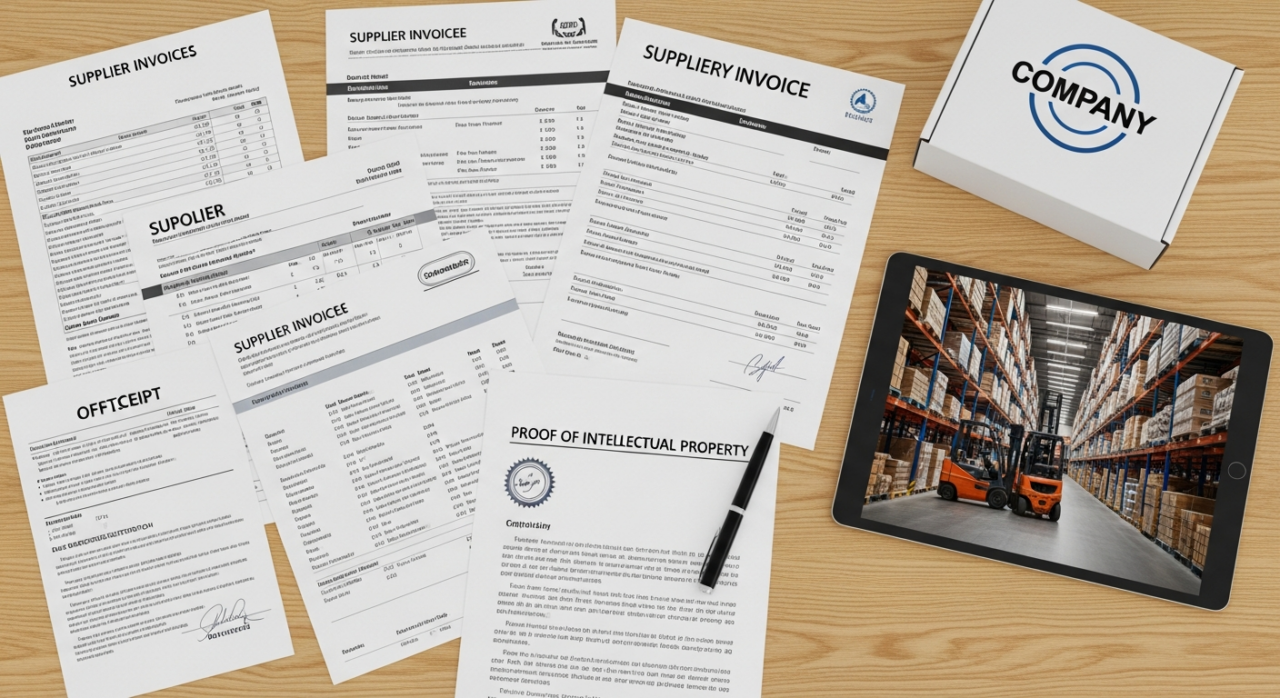
Organize these files with clear, descriptive names. The goal is to present a complete package that leaves no doubt about the legitimacy of your business.
4. Highlight Your Strong Performance Metrics
Data speaks louder than words. Your account health dashboard is your most powerful tool. In your appeal, you must highlight your strong performance in the key areas Walmart values most. Reference your specific numbers to show you are a top-tier seller who meets or exceeds their standards.
Focus on these core metrics:
- Cancellation Rate: Below 2%
- On-Time Delivery Rate: Above 90%
- Valid Tracking Rate: Above 99%
- Refund Rate: Below 6%
- Seller Response Rate: Above 95% (within 48 hours)
- Negative Feedback Rate: Below 2%
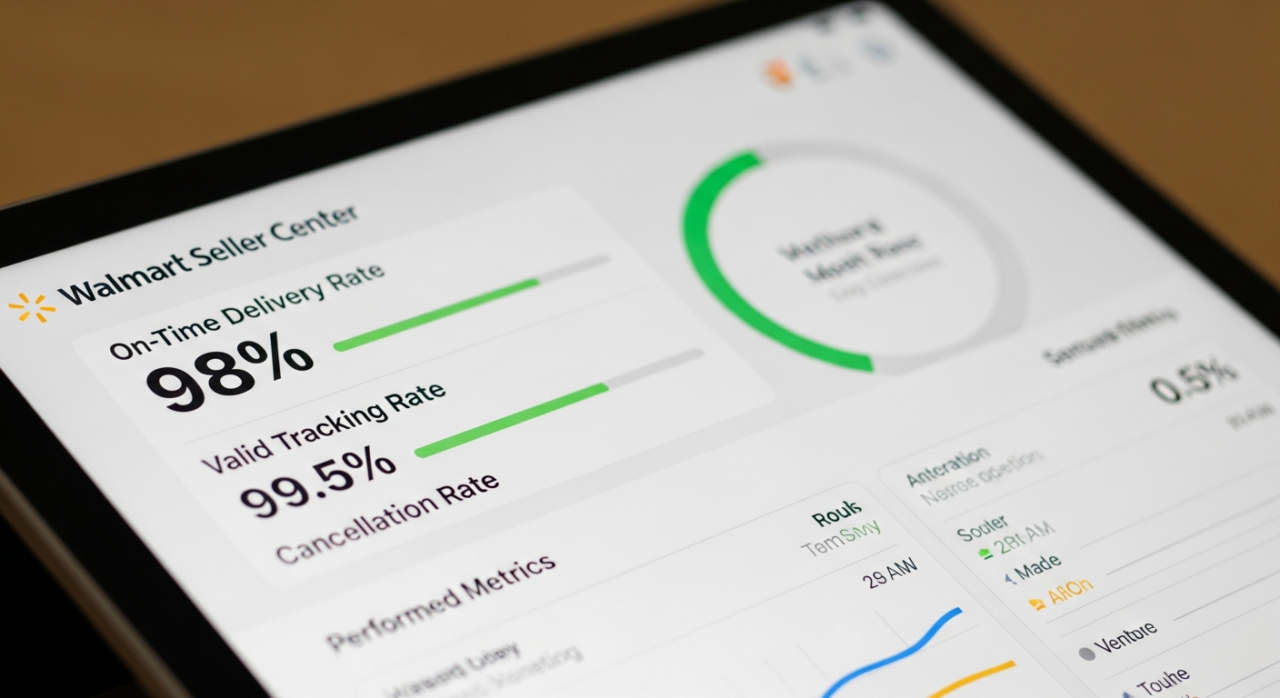
Stating that your “On-Time Delivery Rate is 98%” is far more compelling than simply saying “we ship on time.” Use Walmart’s own data to advocate for yourself.
5. Craft a Clear and Concise Appeal
When you write your appeal, professionalism and clarity are paramount. Avoid long, emotional explanations or convoluted stories. Structure your communication as a concise business plan of action. Acknowledge the likely reason for the suspension, explain the steps you’ve taken to ensure compliance (if applicable), and provide your evidence.
Keep your letter short, factual, and to the point. Attach your supporting documents and high-quality photos. Make sure your attachments are clearly labeled (e.g., “Supplier_Invoice_May2026.pdf,” “Warehouse_Inventory_Photo.jpg”) so the Walmart representative can easily understand what they are reviewing. A well-organized, evidence-based appeal is much more effective than a lengthy narrative.
6. Submit Your Appeal and Follow Up
The standard process for addressing payment issues is to open a case through your Seller Center. Navigate to “Help” in the menu, select “Payments,” and submit a ticket with your appeal and attached documents.
After you submit your case, be patient but persistent. If you don’t receive a meaningful response within a reasonable timeframe, don’t be afraid to follow up on the same case ticket. A polite, professional follow-up message can help ensure your case doesn’t get lost in the queue. It may take several interactions with support to get the issue fully resolved, so maintain a professional demeanor and keep providing clear, factual information until your payments are reinstated.
Need Help Growing Your Sales?
We are here to help you scale.
Note: Include the buttons at the bottom by using “Custom HTML”(Here)
Written By: Liezel Felisilda
📺 YouTube: EHP Consulting Group on YouTube
🎵 TikTok: EHP Consulting Group on TikTok
Email: info@ehpconsultinggroup.com
Website: www.ehpconsultinggroup.com
Number: 925-293-3313
Date Written: May 1, 2026