 (925) 293-3313
Navigating the complexities of Amazon Advertising requires more than just a healthy budget; it demands a surgical understanding of how customers search for products. Amazon PPC (Pay-Per-Click) is built on the foundation of match types, which dictate how closely a customer’s search query must align with your chosen keywords. According to Josh Hackett, CEO of EHP Consulting Group, mastering these match types is the difference between a high-converting campaign and a wasted marketing budget.
Leverage Broad Match for Maximum Keyword Discovery
Broad match serves as the widest net you can cast in the Amazon marketplace. When you select this match type, your ads are eligible to appear for search terms that include synonyms, misspellings, plurals, and variations of your keyword. For example, if you target the term “running shoes,” Amazon’s algorithm might trigger your ad for “jogging trainers” or even common typos like “running show ho.”
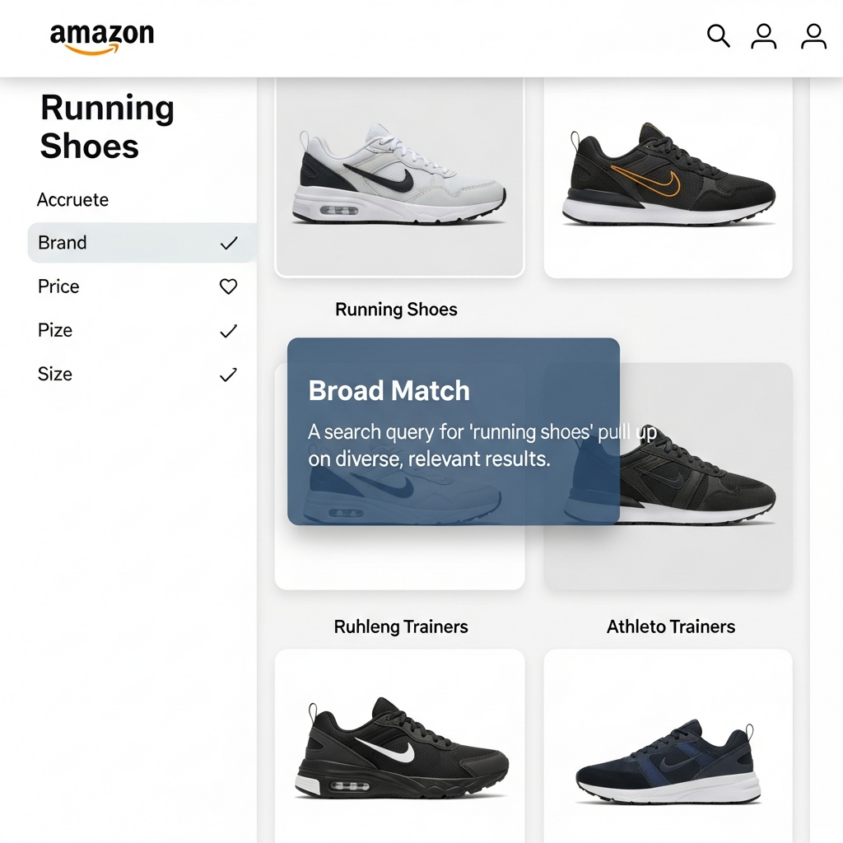
The primary advantage of Broad match is keyword discovery. It allows sellers to identify exactly what potential customers are typing into the search bar, uncovering “hidden” phrases that you might not have considered. However, because of its expansive reach, Broad match requires the most oversight. Without frequent monitoring, you risk bidding on irrelevant terms that drain your budget without providing conversions.
Utilize Phrase Match to Capture Specific Intent
Phrase match offers a middle ground between the chaos of Broad match and the rigidity of Exact match. With this setting, your core keyword must appear in the customer’s search query in the specific order you’ve designated, though other words can be added before or after. If your target is “running shoes,” your ad could appear for “men’s running shoes” or “running shoes for kids.”
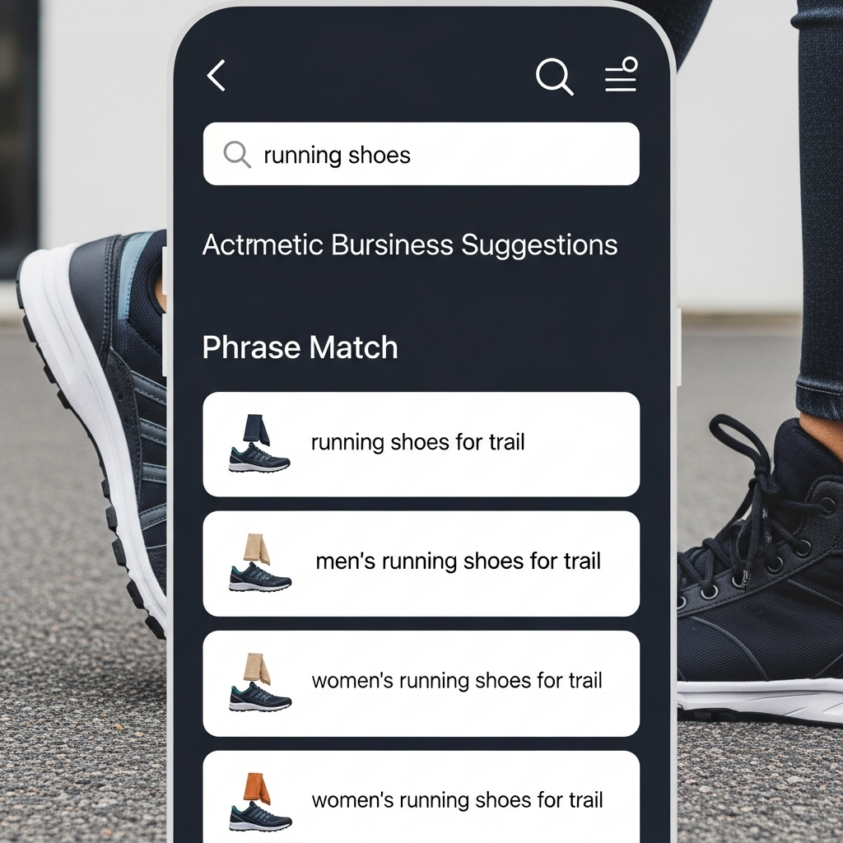
While Amazon has recently updated Phrase match to include “close variations” (such as plurals or acronyms), it remains a powerful tool for targeting shoppers with specific intent. It allows you to maintain control over the context of the search while still reaching a significant volume of traffic.
Refine Your Campaign with Exact Match Precision
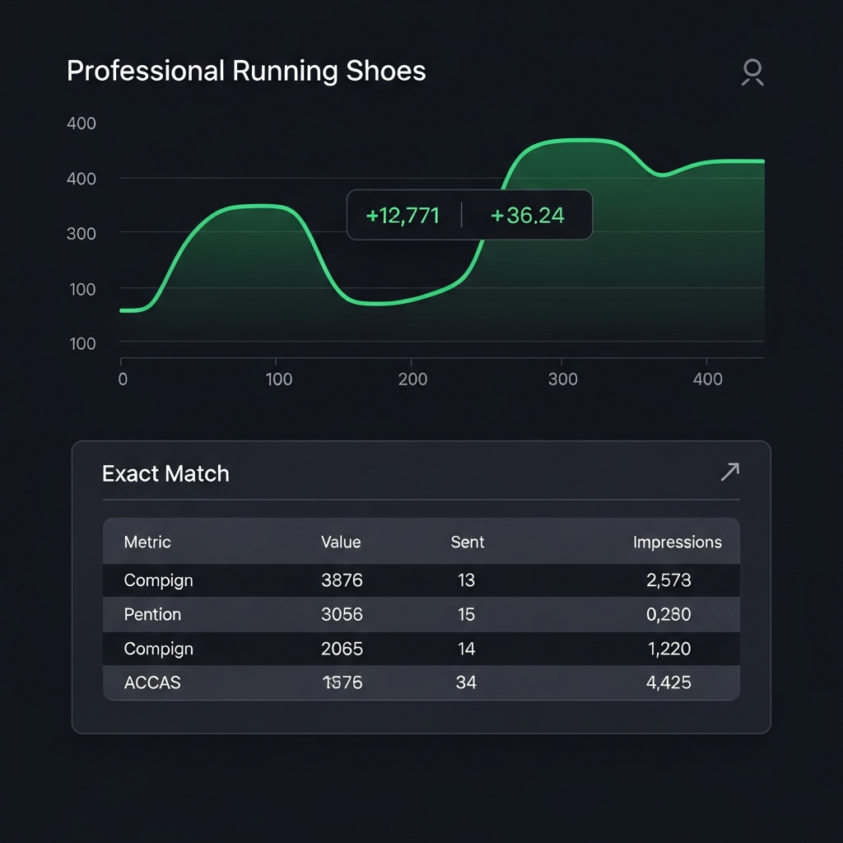
An exact match is the most controlled and specific match type available. Traditionally, this meant the ad would only trigger if the user typed the exact keyword provided. Today, Amazon’s “Exact Match” includes close variations, such as “shoe” vs “shoes”, to ensure you don’t miss out on traffic due to minor grammatical differences.
Using the example of “running shoes,” an Exact match campaign focuses strictly on that term. This is the ultimate tool for high-relevance targeting. Because the traffic is so specific, Exact match often yields the highest conversion rates and the most stable ACOS (Advertising Cost of Sales), making it the gold standard for your most profitable keywords.
Implement the “Discovery First” Launch Strategy
For sellers launching a new product, Josh Hackett recommends a top-down workflow that prioritizes data gathering. The strategy begins with Broad match campaigns. By starting wide, you allow Amazon’s algorithm to show your product to a vast audience, generating a “search term report” that reveals which specific phrases lead to sales.
Once you identify high-performing keywords within your Broad match campaigns, you “graduate” them. You move those winning terms into Phrase and Exact match campaigns, where you can bid more aggressively. This tiered approach, often part of professional Amazon PPC services, ensures that your advertising budget is always being shifted toward the most proven, high-converting search terms.
Optimize the Product Detail Page for Conversion
A common pitfall for Amazon sellers is focusing entirely on PPC traffic while neglecting the destination: the listing. Advertising is a mechanism for driving traffic, but the product detail page is what handles the conversion. If you drive thousands of shoppers to a page with poor images, minimal reviews, or confusing copy, your ACOS will skyrocket.
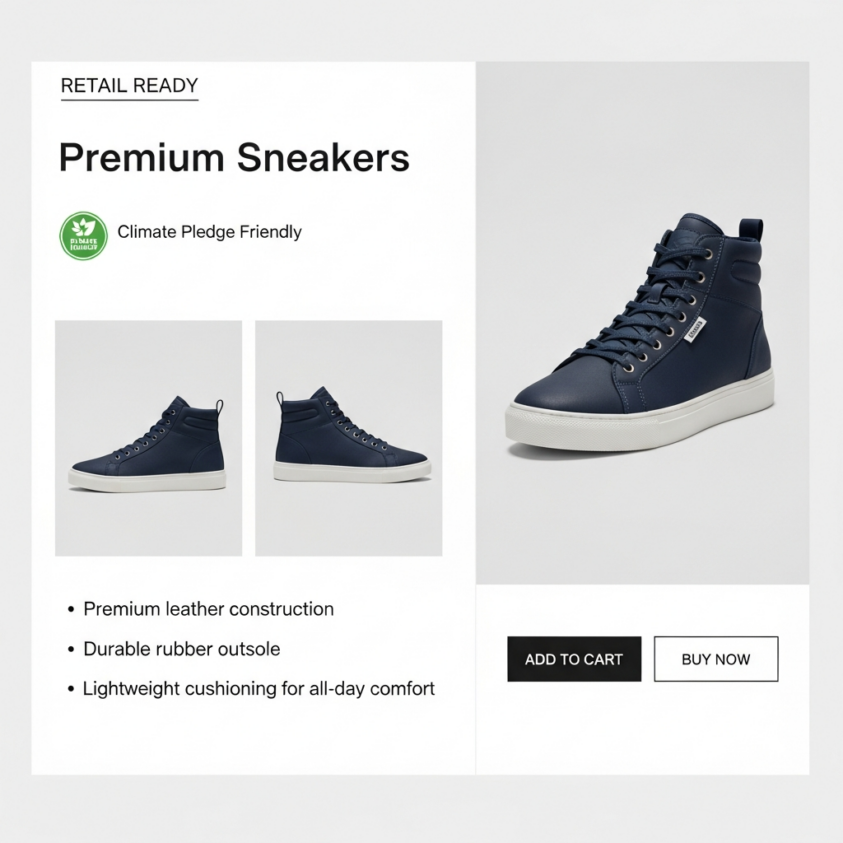
Before scaling your PPC spend, ensure your listing is “retail ready.” High-quality imagery, compelling bullet points, and a clear value proposition are prerequisites for a successful campaign. Sellers looking to master these elements often enroll in e-commerce training courses to ensure their listings are optimized for maximum performance. Traffic alone does not guarantee sales; it only guarantees an opportunity for your listing to perform.
Monitor Daily to Prevent Ad Spend Bleed
Because Broad and Phrase match types allow for variations, they carry an inherent risk of “ad spend bleed.” Amazon may occasionally map your keywords to terms that are semantically related but commercially irrelevant. Regular maintenance is required to keep your campaigns lean.
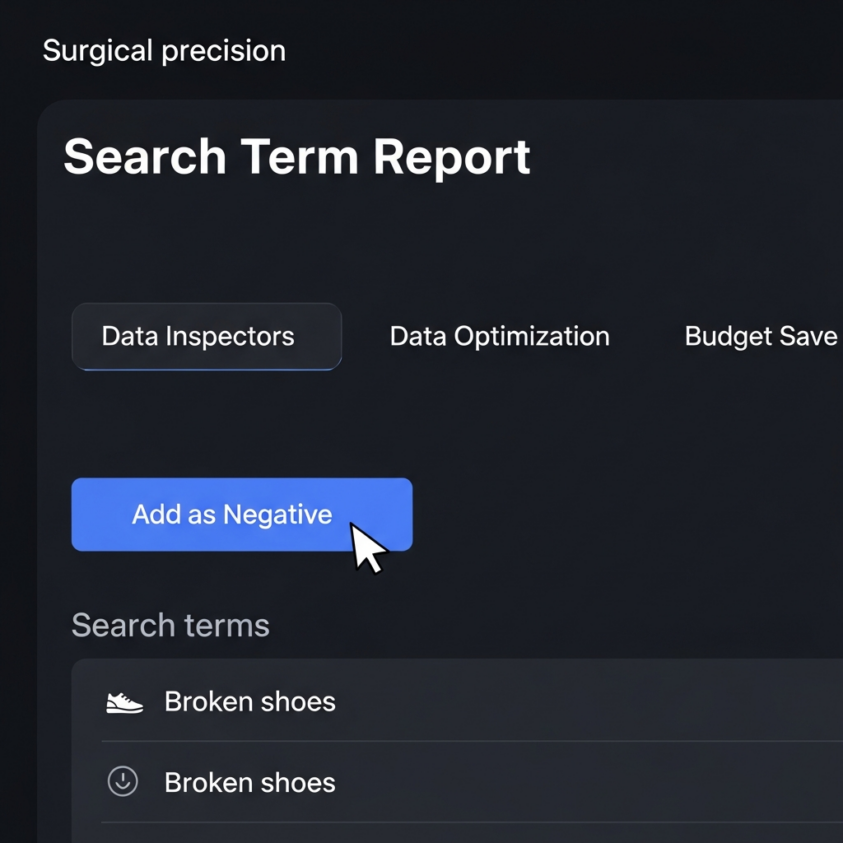
Hackett emphasizes the need for daily monitoring and the aggressive use of negative keywords. By identifying underperforming or irrelevant search terms and marking them as “Negative,” you prevent your ads from showing for those queries in the future. For brands struggling with efficiency, reaching out to contact professional consultants can help in establishing a robust optimization routine. This constant refinement ensures that every dollar spent on Amazon PPC is working toward a positive return on investment.
Need Help Growing Your Sales?
We are here to help you scale.
Stay ahead with the latest tips and trends in online selling:
🎥 YouTube – EHP Consulting Group
📱 EHP Consulting Group
Written By: Janine Alaban
Email: [email protected]
Website: http://www.ehpconsultinggroup.com
Number: 925-293-3313
Date Written: September 09, 2026