 (925) 293-3313
In the hyper-competitive world of Amazon, knowledge isn’t just power—it’s profit. Understanding your competitors’ operations can provide the crucial edge you need to scale your own business. While many sellers pay for complex software like Jungle Scout or Helium 10 to gather intelligence, a surprising amount of valuable data is hiding in plain sight, available to anyone who knows where to click.
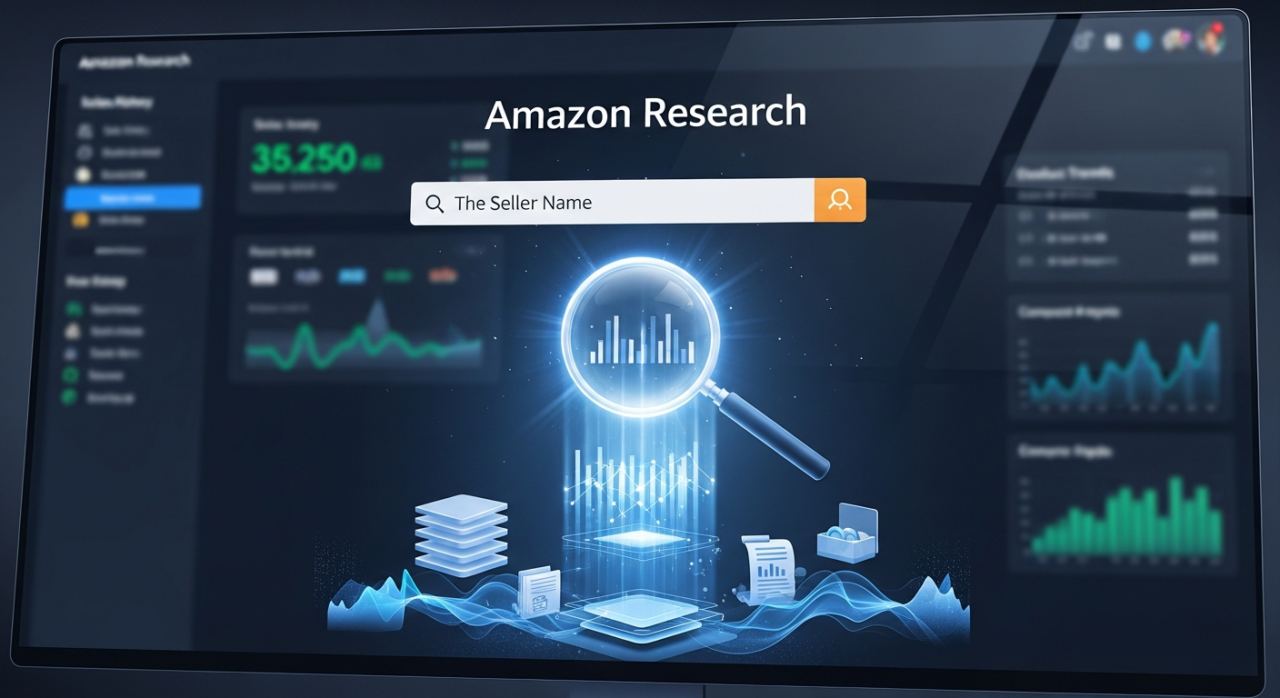
Thanks to Amazon’s transparency policies and public government records, you can uncover significant details about your competitors in just a few minutes. This isn’t about corporate espionage; it’s about leveraging publicly available information to build a smarter, more informed business strategy. Let’s walk through the exact steps to ethically research other sellers and their brands.
1. Locate Seller Information Directly on Amazon
The first step is remarkably simple and takes less than a minute. Amazon’s seller transparency policy, which went into effect in the U.S. on September 1, 2020, mandates that sellers display their business name and address on their public profile. This was implemented to increase accountability and combat fraud, bringing the U.S. marketplace in line with policies in Europe, Japan, and Mexico.
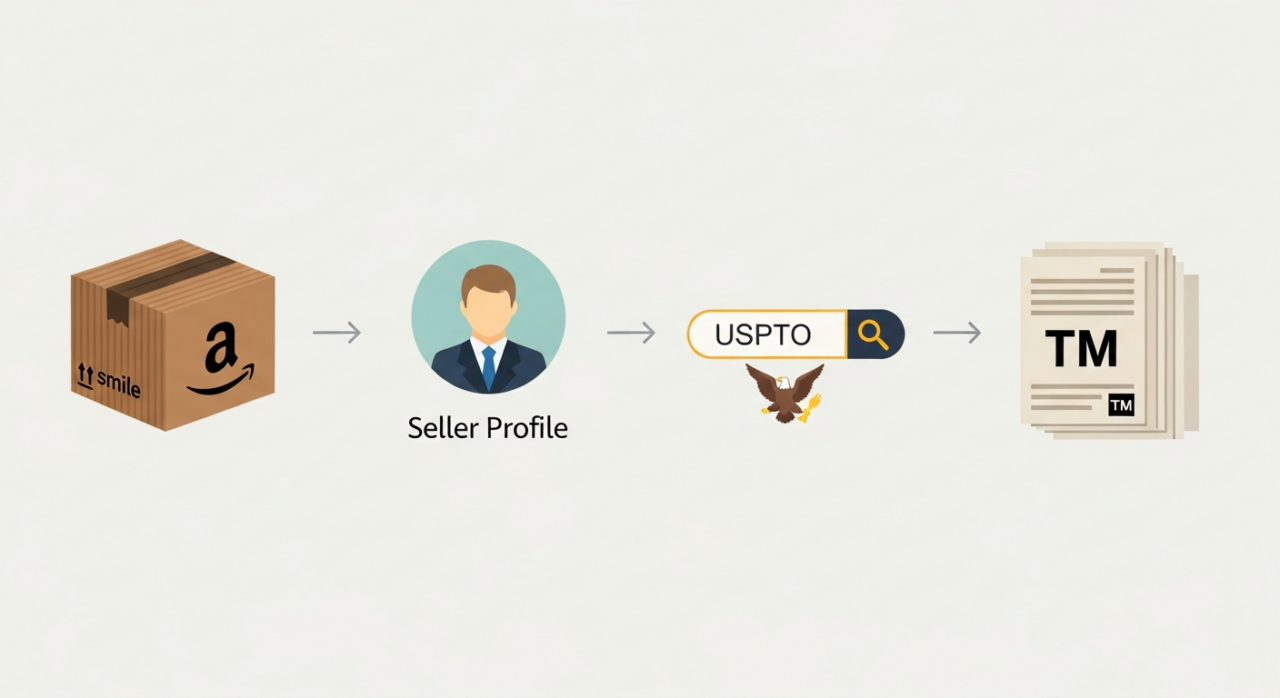
To find this information, navigate to any product listing from the competitor you want to research. On the right-hand side of the page, in the “buy box,” you will see a “Sold by” link followed by the seller’s store name. Click that link.
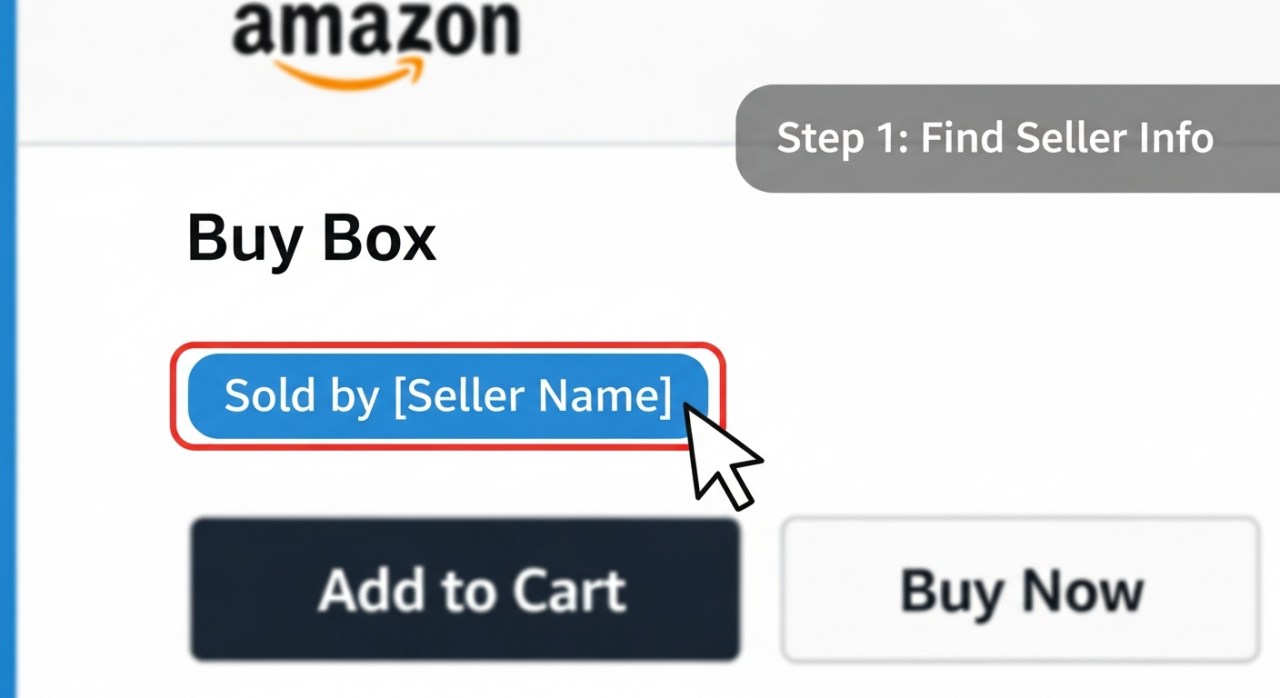
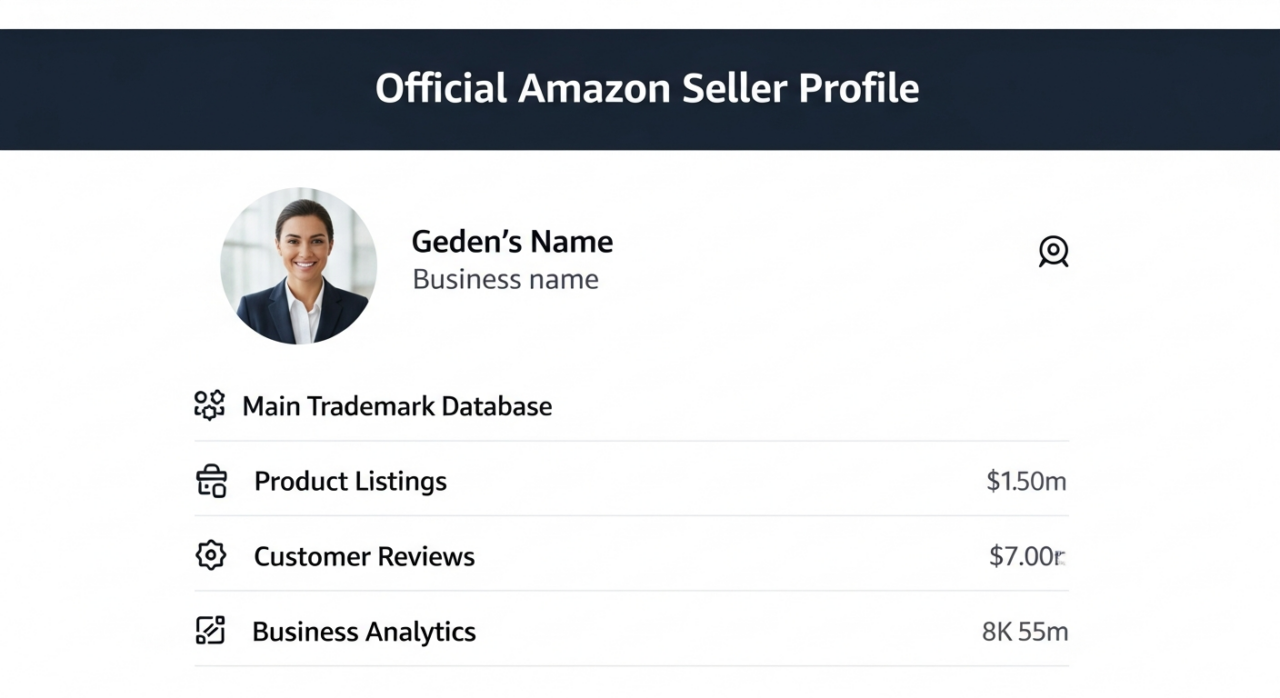
This takes you to the seller’s detailed profile page. Here, you will find their business name and registered business address displayed publicly. This information is a direct result of Amazon’s “Know Your Customer” (KYC) verification process, which ensures the details provided are vetted and accurate. In just two clicks, you’ve already uncovered foundational data about your competitor’s business structure.
2. Deepen Your Research with the USPTO Database
Now that you have the seller’s brand name, you can pivot to a much deeper source of information: the United States Patent and Trademark Office (USPTO). The USPTO’s trademark database is a public record, meaning anyone can search it to find detailed information about registered trademarks and their owners.
Using the brand name you found on the Amazon listing, you can perform a search on the USPTO’s public database. This step moves your research from the seller’s operational presence on Amazon to their official brand and intellectual property records. This is where you can begin to see the bigger picture of their business.
3. Analyze the Public Trademark Filings
A trademark filing is more than just a name and a logo; it’s a rich collection of documents that reveals a company’s legal and branding strategies. Once you locate your competitor’s trademark filing in the USPTO’s system, you gain access to a treasure trove of intelligence.
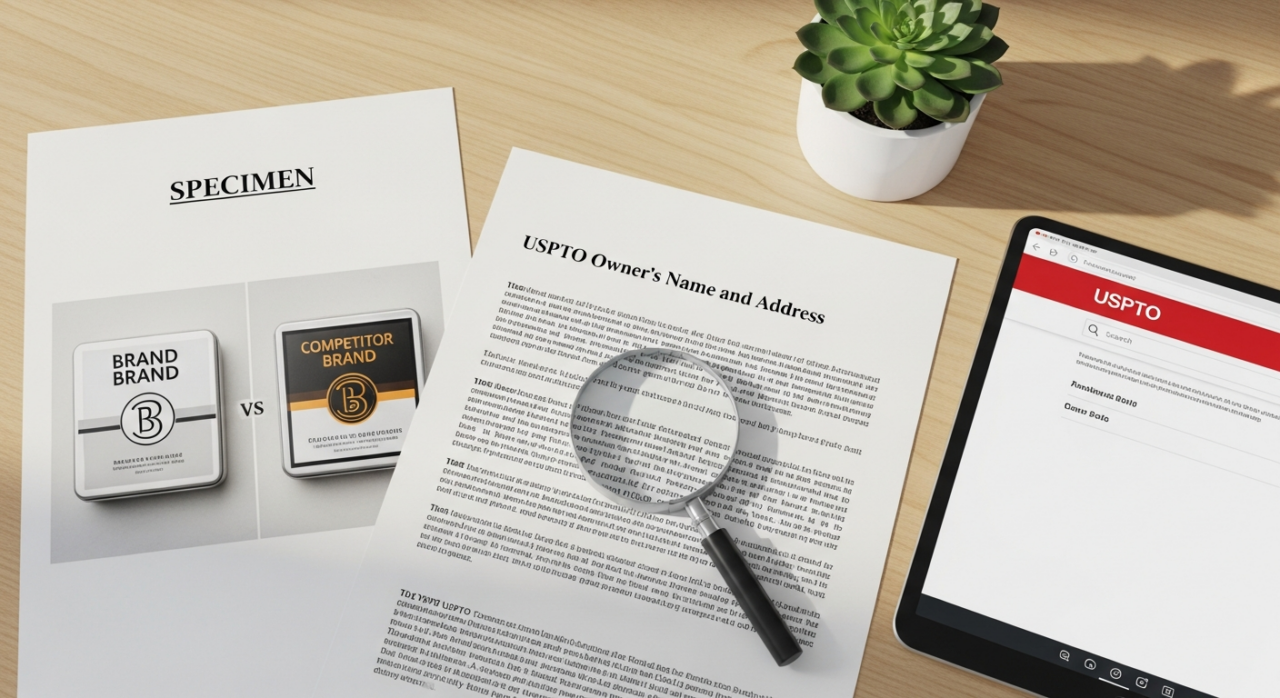
Here’s what you can typically find:
- Owner’s Name and Address: This confirms the information you found on Amazon and may provide the address of their legal headquarters, which could be different from their operational address.
- Attorney of Record: The filing will list the name and contact information of the law firm or attorney that handled the trademark application. This can give you insight into the level of legal resources the brand invests in protecting its IP.
- All Submitted Documents: Every document filed as part of the trademark application becomes part of the public record. This includes the original application, correspondence with the USPTO, and, most importantly, specimen images. These specimens are real-world examples submitted to prove how the trademark is being used in commerce—often showing you product packaging, tags, or website screenshots that you might not easily find otherwise.
By combining the straightforward seller lookup on Amazon with a more detailed search on the USPTO database, you can develop a comprehensive profile of your competition. This public data allows you to understand their business structure, see their branding in action, and gauge how seriously they take their intellectual property. Use this knowledge not just to see what others are doing, but to make more strategic decisions for your own brand’s growth and protection.
Need Help Growing Your Sales?
We are here to help you scale.
Note: Include the buttons at the bottom by using “Custom HTML”(Here)
Written By: Liezel Felisilda
📺 YouTube: EHP Consulting Group on YouTube
🎵 TikTok: EHP Consulting Group on TikTok
Email: info@ehpconsultinggroup.com
Website: www.ehpconsultinggroup.com
Number: 925-293-3313
Date Written: May 8, 2026