 (925) 293-3313
As an Amazon seller, you’re constantly looking for ways to stand out in a crowded marketplace. How do you capture a shopper’s attention, drive traffic to your listings, and ultimately, convert that click into a sale? Two of the most powerful tools in your arsenal are Amazon Deals and Coupons. While both offer discounts to customers, they function very differently and serve distinct strategic purposes.
Choosing the right promotion can be the difference between a moderate sales bump and a record-breaking quarter. This guide will break down the key differences, eligibility rules, and costs associated with Amazon Deals and Coupons, helping you build a promotional strategy that aligns perfectly with your business goals.
1. Understand the Core Differences: Appearance and Use Case
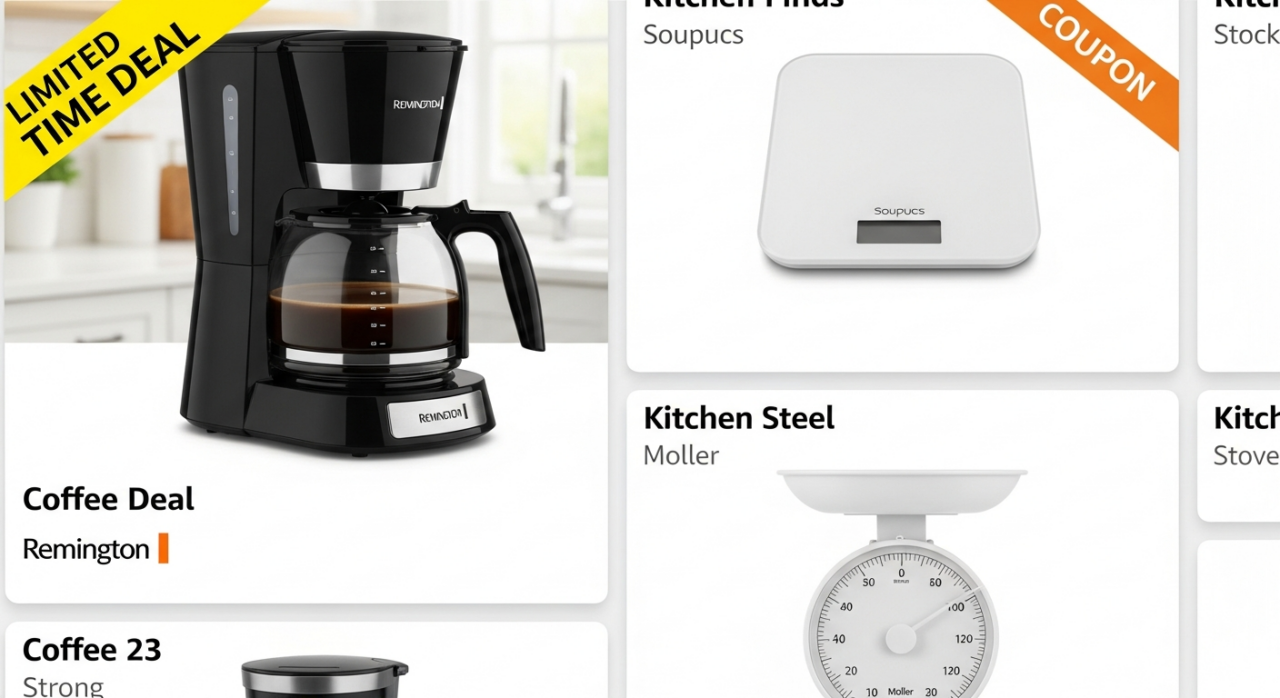
At a glance, Deals and Coupons might seem similar, but they offer vastly different customer experiences and serve distinct objectives.
Deals are high-visibility, time-sensitive events. Think of them as Amazon’s premier promotional placement. They get featured on the highly trafficked “Today’s Deals” page and often carry eye-catching badges like “Lightning Deal” or “Limited Time Deal,” complete with a countdown timer. This creates a powerful sense of urgency. Deals are your go-to tool for generating a massive, short-term sales spike. They are perfect for new product launches, clearing out seasonal inventory, or gaining a significant ranking boost during major shopping events like Prime Day and Black Friday.
Coupons, on the other hand, are a more subtle, long-term play. They appear as a digital, orange-badged voucher that customers can “clip” directly on the product detail page, in search results, or in their shopping cart. Their strength lies in their persistence. Coupons are an excellent strategy for increasing the everyday conversion rate of your listing, attracting price-conscious buyers, and driving continuous sales over an extended period.
2. Check Your Eligibility: Who Can Run Promotions?
Before you can plan your promotion, you need to ensure you and your products qualify. Amazon has specific requirements for both sellers and the items they want to discount.
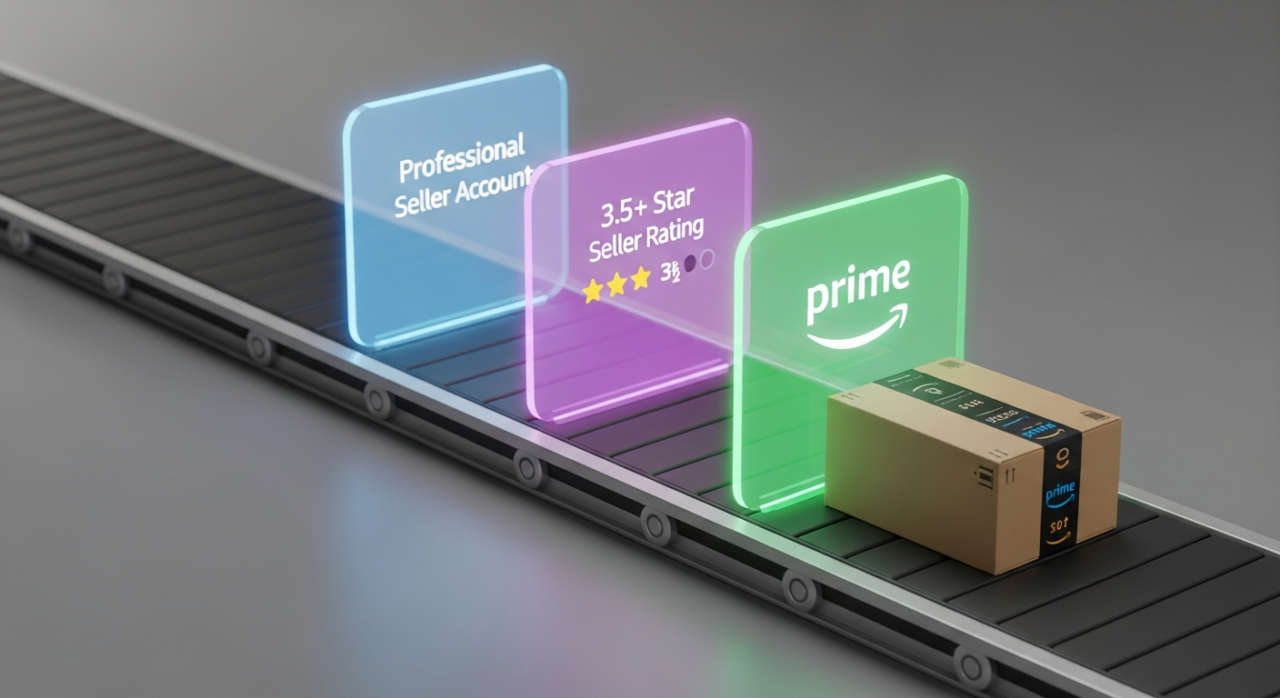
To run Amazon Deals, you must have a Professional Seller account and maintain a strong seller feedback rating of at least 3.5 stars. Your products also face a strict checklist. They need to have an existing sales history, a product rating of at least 3 stars (sometimes higher), be in new condition, and be Prime eligible. Amazon also requires that a significant portion of your product’s variations (like different sizes or colors) be included in the deal.
Eligibility for Amazon Coupons is slightly more flexible, making them more accessible for newer sellers. You still need a Professional Seller account, but sellers with no feedback rating are eligible alongside those with a 3.5-star rating or higher. Product requirements are also more lenient. Items with no reviews can be promoted with coupons. For those with reviews, the rating threshold is lower: a 2.5-star average for products with 1-4 reviews, and a 3-star average for those with 5 or more. Your coupon discount must be between 5% and 50%.
3. Calculate the Cost: Analyzing the Fee Structures

Promotions are an investment, and it’s crucial to understand the costs involved to measure your return. The fee structures for Deals and Coupons are fundamentally different.
The cost of a Deal is event-driven and can be substantial. During standard, non-peak periods, you might pay a base fee plus a small percentage of the sales generated from the promotion. However, for high-traffic events like Black Friday, Cyber Monday, or Prime Day, the cost shifts to a significant flat fee. A Lightning Deal during these peak times could cost around $500, while a longer 7-Day Deal might be closer to $1,000. This pay-to-play model buys you premium placement during Amazon’s busiest shopping days.
Coupons operate on a redemption-based model, making them more budget-friendly and predictable. There is a small flat fee (e.g., $5) for each coupon you create. After that, you are only charged a variable fee (e.g., 2.5%) on the sales generated from redeemed coupons. This means you only pay for the performance of the coupon, making it a lower-risk option for ongoing promotional efforts.
4. Strategy: Use Deals for a Massive Sales Spike
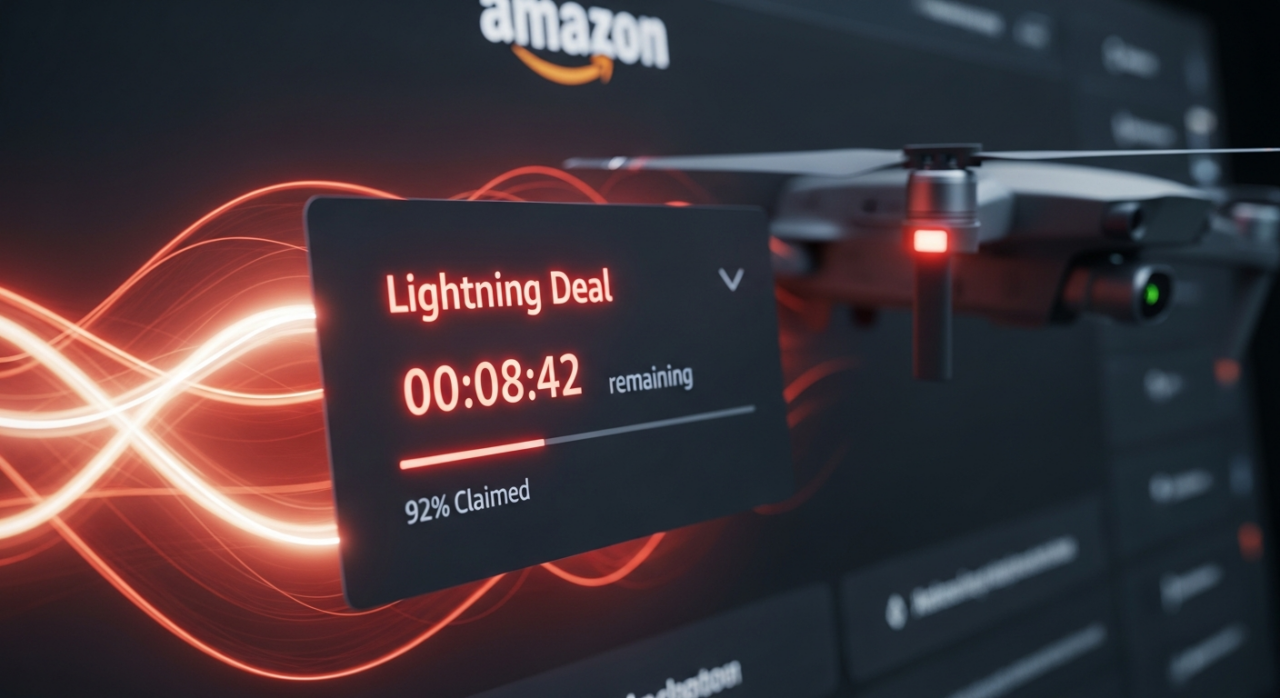
The primary purpose of an Amazon Deal is to create a massive velocity surge in a short period. This is a high-impact, tactical move. Deploy a Deal when your goal is to make a big splash.
Use a Lightning Deal to launch a new product and quickly generate sales history and reviews. Run a 7-Day Deal to clear out excess or end-of-season inventory to avoid long-term storage fees. Most importantly, budget for Deals during Q4 and Prime Day. The increased fee is an investment in visibility when millions of shoppers are on the site with the specific intent to buy. The temporary boost in sales can also have a lasting positive effect on your product’s organic search ranking.
5. Strategy: Leverage Coupons for Sustained Growth

Think of coupons as your marathon tool, not a sprint. Their always-on nature makes them perfect for improving key metrics over the long haul.
A consistently active coupon can significantly increase your listing’s conversion rate. The bright orange badge makes your product stand out in crowded search results, enticing customers to click on your listing over a competitor’s. This is especially effective for products in competitive niches where price can be a deciding factor. Use coupons to build momentum for a newer product, reward loyal customers, or simply maintain a steady sales velocity week after week.
6. Making the Right Choice for Your Business

The best promotional strategy often involves using both Deals and Coupons, but for different reasons and at different times. Your choice should always be dictated by your immediate goal.
Ask yourself: Do I need to liquidate 500 units by the end of the month? A Deal is your answer. Do I need to improve my daily conversion rate by 2% over the next quarter? A Coupon is a better tool.
Start by implementing an always-on coupon strategy for your core products to improve baseline sales. Then, save your budget for high-impact Deals for strategic moments—new launches, holiday sales pushes, or clearing out inventory. By understanding how each tool works, you can move from simply offering discounts to building a sophisticated promotional calendar that drives real, measurable growth for your Amazon business.
Need Help Growing Your Sales?
We are here to help you scale.
Stay ahead with the latest tips and trends in online selling:
🎥 YouTube – EHP Consulting Group
📱 EHP Consulting Group
Written By: Janine Alaban
Email: info@ehpconsultinggroup.com
Website: http://www.ehpconsultinggroup.com
Number: 925-293-3313
Date Written: April 8, 2026