 (925) 293-3313
Getting your Amazon seller account deactivated can feel like a death sentence for your business. Whether it’s a “Section 3” violation or a mysterious performance flag, the standard appeal process often feels like shouting into a void. To get back in the game, you need to understand the multi-tier escalation hierarchy that moves your case from automated bots to actual human decision-makers.
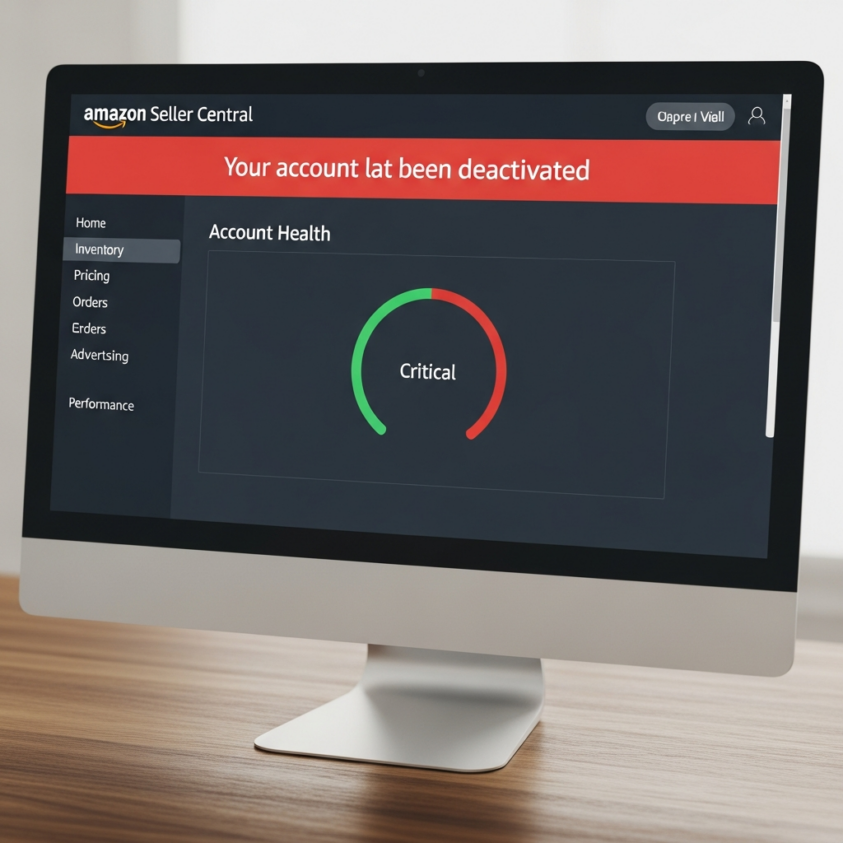
Step 1: Internal Escalation via Account Health Support
The first line of defense is always Amazon’s internal system. Every seller has access to the Account Health Support (AHS) team, but many don’t use them correctly. The goal here isn’t just to “complain”—it’s to gather intelligence. When you speak with an AHS representative, your priority is to obtain a specific Case ID and ask for a specialist review. Utilizing professional Amazon account services can help you navigate these high-stakes conversations more effectively.
While AHS cannot typically overrule the Seller Performance team, they can flag your case for a second look. Success at this stage depends entirely on your Plan of Action (POA). A winning POA must address the root cause, the immediate resolution, and the long-term prevention steps. You can watch this walkthrough on crafting a successful appeal. Many sellers also invest in Amazon seller courses to better understand compliance requirements before an issue arises. If the internal “appeal” button fails, you move to external pressure.
Step 2: Leveraging the Better Business Bureau (BBB)
There is a common industry tactic of filing a complaint with the Better Business Bureau to force a response. While some believe Amazon maintains an A+ rating that they guard at all costs, the reality is more nuanced. Currently, Amazon’s rating varies by jurisdiction and is often much lower than an A+. Many brands who have shared their success testimonials have noted that external filings can sometimes trigger a more thorough internal review.
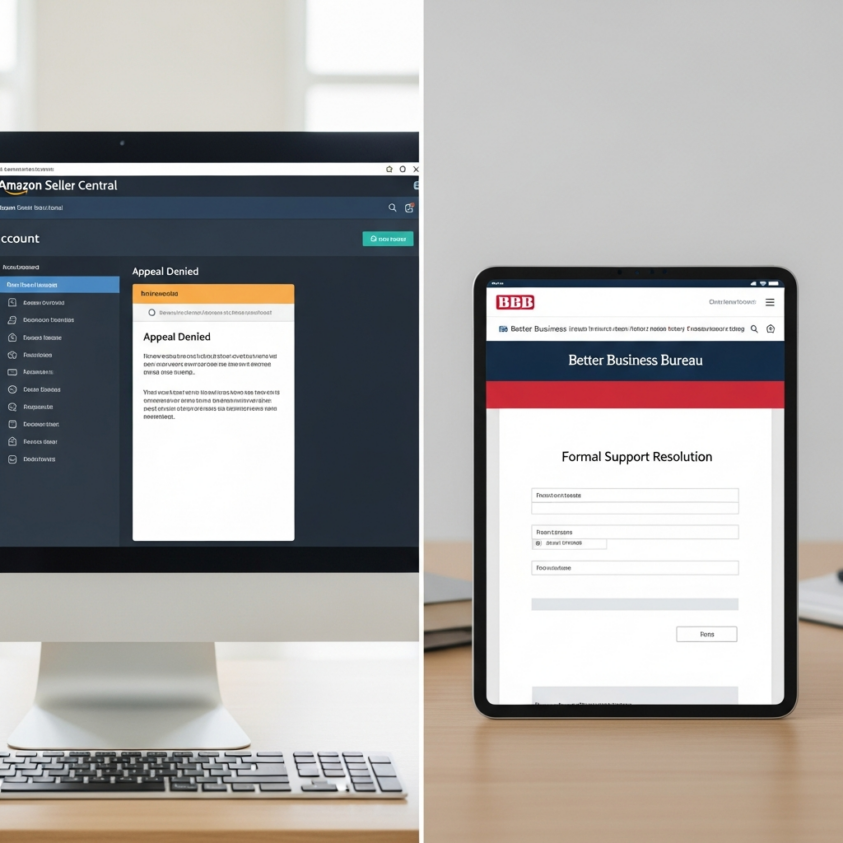
However, filing a BBB complaint still serves a functional purpose: it moves your dispute into a specialized customer/seller relations queue. While the BBB has no legal authority to force Amazon to reinstate you, the process often results in a response from a human representative rather than a template-driven bot. Use this channel to highlight clear errors in your deactivation, such as “false positive” flags for restricted products.
Step 3: Engaging Executive Relations
When standard support channels fail, it’s time to escalate to the “Office of the CEO.” In the Amazon ecosystem, this means emailing leadership figures like Doug Herrington (CEO of Worldwide Amazon Stores) or Andy Jassy. It is a misconception that these individuals read every email personally; instead, these messages are intercepted by the Executive Social Media Relations team. Before taking this step, it is wise to ensure your listings are fully compliant by requesting a free listing audit.
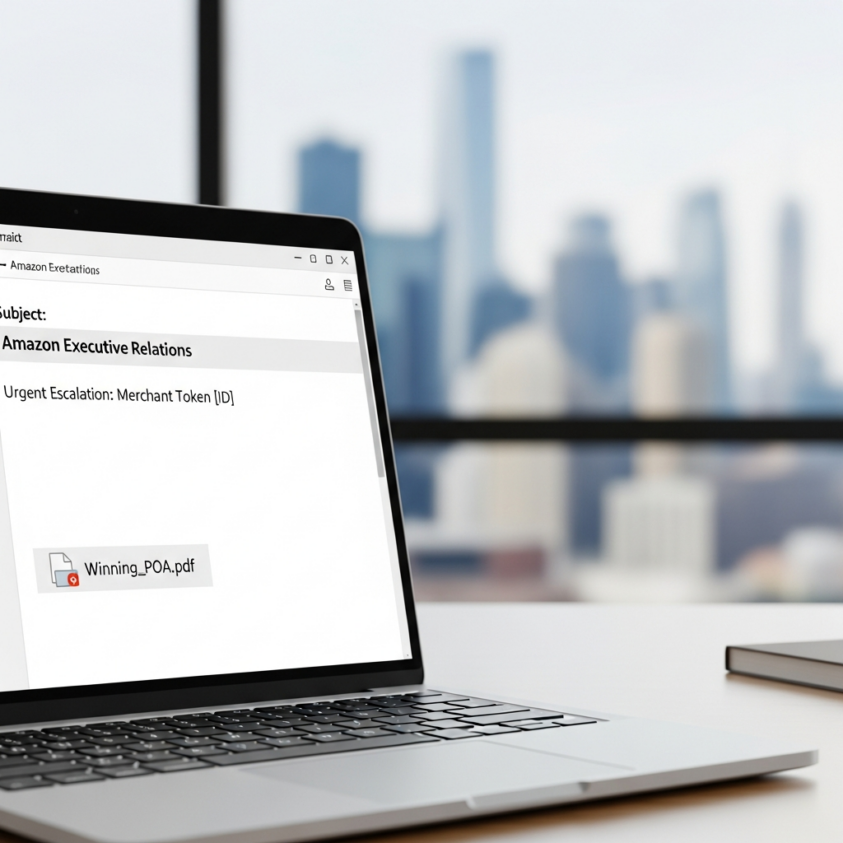
To succeed at this tier, your communication must be concise. Do not paste a five-page manifesto into the body of the email. State your Merchant Token (which is technically the same as your Seller ID), summarize the error, and attach your POA as a PDF. This team has the authority to overturn previous denials, but they are increasingly strict. If you spam this channel without a valid history of prior appeals, your email will likely be ignored.
Step 4: The “Hail Mary” of Binding Arbitration
If every administrative path is exhausted, the final move is legal. Per the Amazon Business Services Agreement (BSA), sellers generally waive their right to a jury trial and must enter into binding arbitration through the American Arbitration Association (AAA).
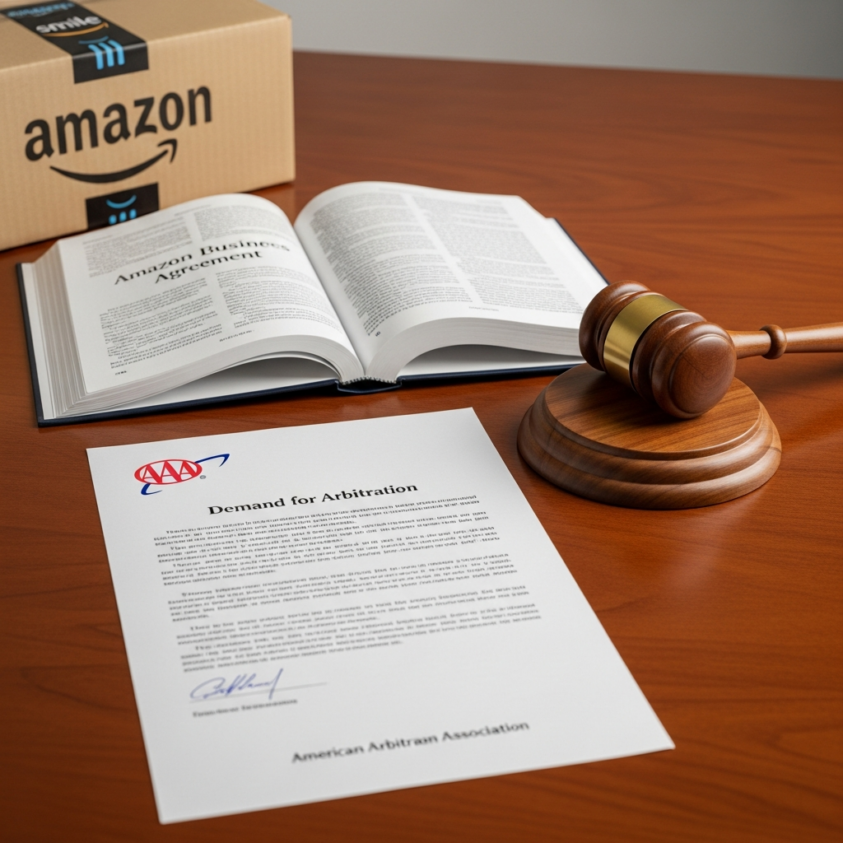
This is often referred to as the “nuclear option” because it is expensive—expect a baseline cost of at least $6,000 in filing fees and administrative costs, not including legal counsel. However, filing a “Demand for Arbitration” does something no other step can: it takes your file away from the Seller Performance “bots” and hands it to Amazon’s Legal Department. In cases where the deactivation was a clear technical error, Amazon may choose to settle and reinstate the account to avoid the high costs of an arbitrator’s judgment.
Step 5: Master the Technical Essentials
Regardless of which tier you are at, your documentation must be technically perfect. This starts with identifying your account correctly using your Merchant Token. This alphanumeric string is the unique identifier for your business in the Amazon API and is the first thing an investigator looks for. You can find more information about these technical identifiers in the Amazon Seller Forums.
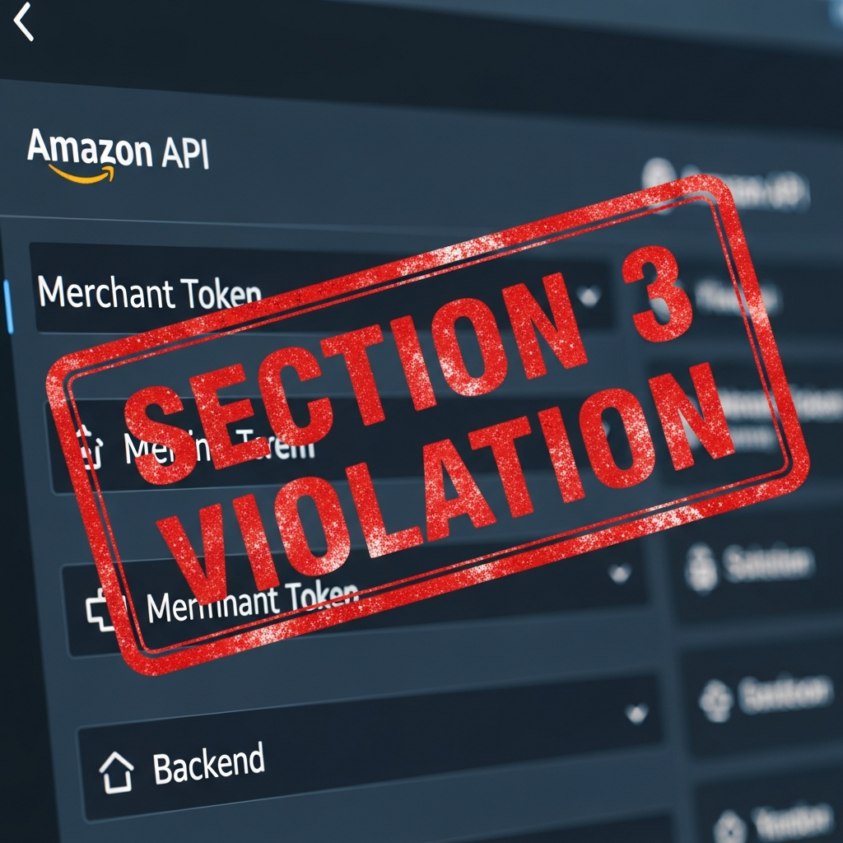
Furthermore, you must understand the gravity of Section 3 of the Business Services Agreement. This is the “Term and Termination” clause that Amazon uses to suspend accounts for deceptive or fraudulent activity. If you are hit with a Section 3 notice, standard appeals rarely work because Amazon believes you have breached the fundamental contract of the marketplace.
In these high-stakes scenarios, the transition from internal appeals to executive or legal escalation isn’t just an option—it’s a necessity for survival. If your business is currently offline and you need professional assistance, contact us today to discuss an escalation strategy tailored to your situation.
YouTube Channel Link: EHP Consulting Group on YouTube
TikTok Profile Link: EHP Consulting Group on TikTok
Written By: Jhan Rose Magbanua
Email: info@ehpconsultinggroup.com
Website: http://www.ehpconsultinggroup.com
Number: 925-293-3313
Date Written: Jun 21, 2026