 (925) 293-3313
The Walmart Marketplace represents a massive opportunity for e-commerce sellers, but gaining entry is more challenging than ever. With a reported acceptance rate of only 27% for first-time applicants, Walmart is sending a clear message: they prioritize quality, reliability, and experience. A slapdash application is a fast track to rejection.
To join the ranks of successful Walmart sellers, you need a meticulous and strategic approach. This guide breaks down the essential steps to prepare a standout application that meets Walmart’s high standards and maximizes your chance of approval.

1. Solidify Your U.S. Business Foundation
Before you even begin the application, you must have your business credentials in perfect order. Walmart requires all sellers to be legitimate, registered U.S. businesses. This is a non-negotiable first step.
Gather the following:
- U.S. Business Tax ID (EIN): Your Employer Identification Number is mandatory. An SSN is not sufficient for a business application.
- W9 or W8 Form: Have this completed and ready to submit to verify your tax information.
- Verified U.S. Business Address: This must be a physical address or place of operations within the United States. A P.O. Box will not suffice.
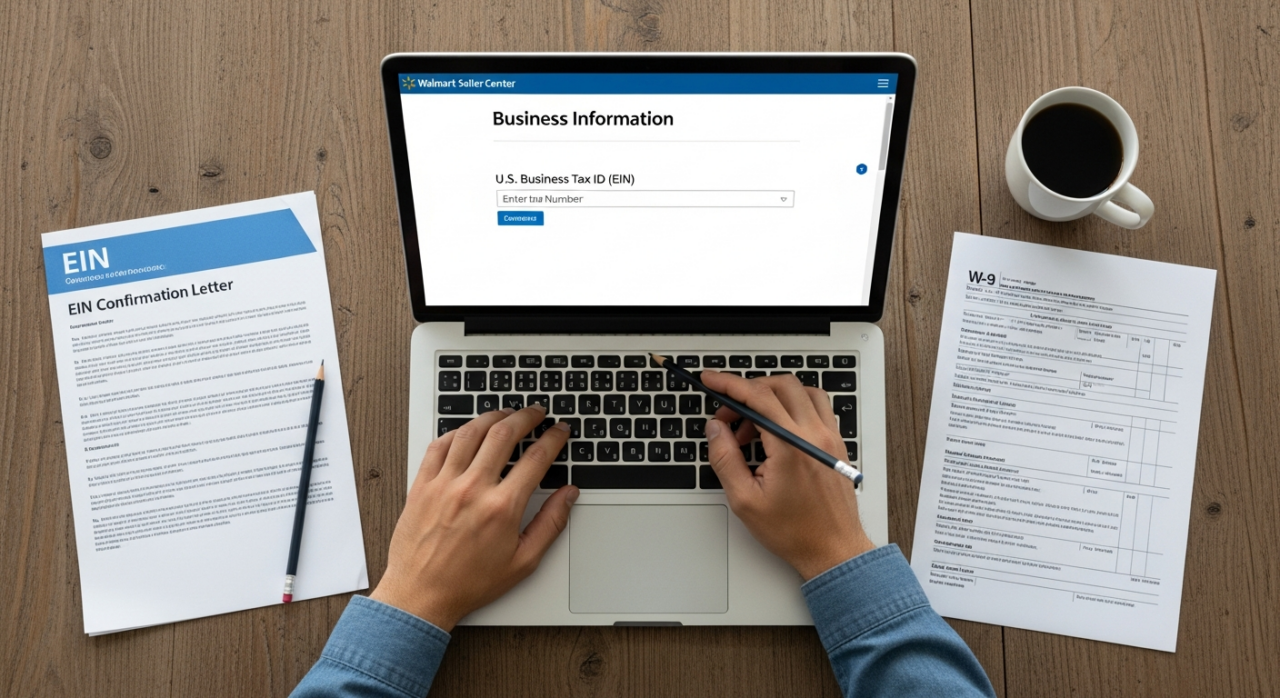
The key here is absolute consistency. The business name and address on your tax forms must exactly match the information on your business registration and your application. Even a minor discrepancy can trigger an automatic rejection.
2. Showcase Your E-commerce Track Record
Walmart isn’t looking for newcomers to the world of online retail. They want to see a proven history of success on other established marketplaces like Amazon or eBay. This demonstrates that you understand the fundamentals of e-commerce, from inventory management to customer service.
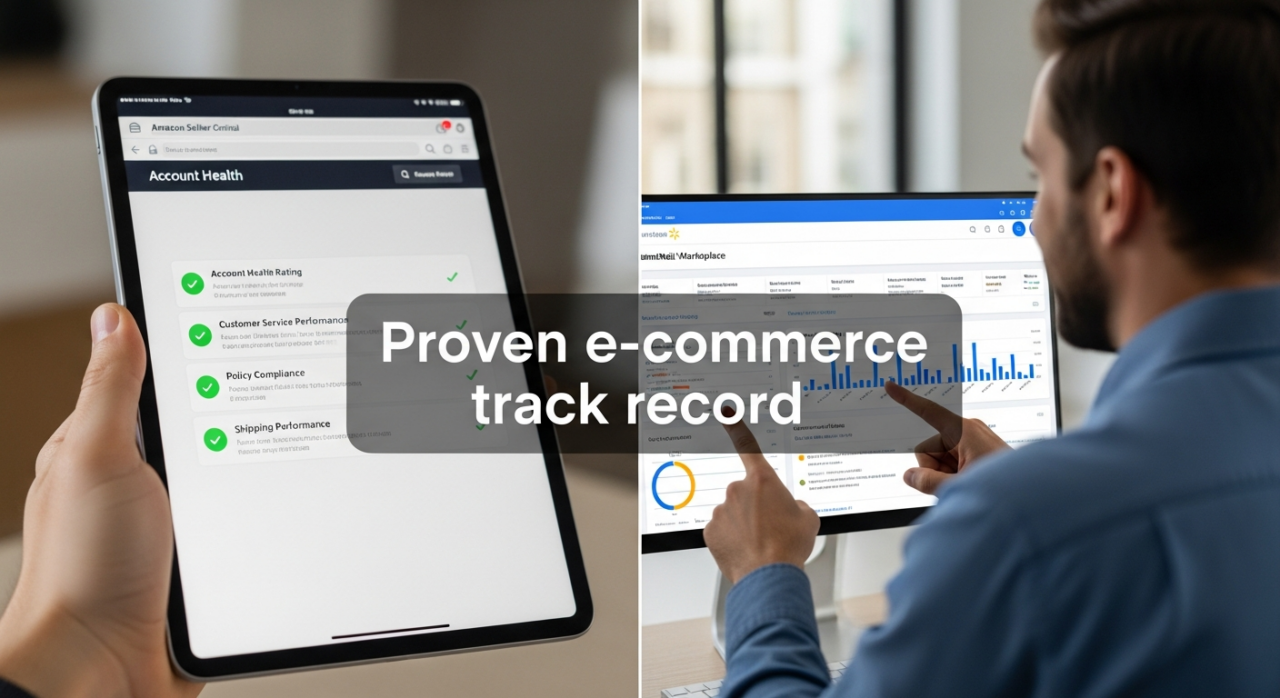
Prepare to highlight your experience. While the application form is straightforward, your performance history on other platforms will be scrutinized. Ensure your existing seller accounts have strong metrics, positive customer reviews, and a clean record. If you have a history of policy violations or poor performance elsewhere, it will be a significant red flag for the Walmart review team. They are looking for partners who will enhance their marketplace, not create problems.
3. Detail Your Product and Fulfillment Strategy
A great track record is meaningless without a solid plan for your products and logistics. Walmart needs to know what you plan to sell and how you plan to get it to customers efficiently.
Be prepared to provide:
- Your Product Catalog: Have your product information organized, including essential data like GTINs or UPCs for each item. Ensure your products comply with Walmart’s Prohibited Products Policy. Sellers with unique catalogs or strong brand identities are often viewed more favorably. Our expert services can help you optimize your catalog presentation.
- Your Fulfillment Plan: You must have a clear method for fulfilling orders. This can be through your own U.S.-based warehouse capable of handling returns or by opting into Walmart Fulfillment Services (WFS). Having this strategy defined shows you are ready to operate at scale and meet customer expectations from day one.
4. Conduct a Final Consistency Audit
Inconsistency is the number one killer of Walmart Marketplace applications. Before you hit “submit,” conduct a thorough audit of every piece of information you’ve provided. Consider a professional free listing audit to catch anything you might have missed.

Review every document and every form field. Does the business name on your W9 match your state business registration *exactly*? Is the address on your supplier invoices the same as the business address you listed? Treat this like a final exam where every detail matters. This single step can be the difference between a swift approval and a frustrating rejection followed by a lengthy appeal process.
5. Understand and Avoid Common Rejection Pitfalls
Knowing why others fail is a powerful way to ensure your own success. Beyond simple inconsistencies, several common issues lead to application denial. Be sure you avoid them:
- Weak E-commerce History: Insufficient sales data or a brand-new seller account on other platforms.
- Prohibited Products: Listing items that fall under Walmart’s restricted categories.
- Poor Seller Metrics: A history of late shipments, high order defect rates, or negative reviews on other marketplaces.
Review your entire business operation against these points. If you identify a weakness, it’s better to address it *before* applying rather than trying to fix it after a rejection.
6. Know How to Navigate the Appeals Process
If your application is denied, you have one chance to appeal the decision through the Walmart Seller Center. When creating a case with Seller Support, be clear, concise, and provide any new information that directly addresses the likely reason for rejection. If you need assistance with this step, don’t hesitate to contact us.

It is critical to understand that the decision on your appeal is final. If your appeal is also denied, your only option is to reapply at a later date. There is no set waiting period, but you should not reapply until you have definitively resolved the issues that caused the initial rejection. A thorough, well-prepared application is always the best path forward.
“`
Need Help Growing Your Sales?
We are here to help you scale.
Need Help Growing Your Sales?
We are here to help you scale.
Written By: Liezel Felisilda
📺 YouTube: EHP Consulting Group on YouTube
🎵 TikTok: EHP Consulting Group on TikTok
Email: info@ehpconsultinggroup.com
Website: www.ehpconsultinggroup.com
Number: 925-293-3313
Date Written: April 10, 2026