 (925) 293-3313
Expanding your e-commerce empire on Amazon is a tempting prospect, and for many, that means considering a second seller account. But this isn’t a decision to take lightly. Amazon’s policies are notoriously strict, and a single misstep can jeopardize your entire business. Before you dive in, it’s crucial to understand the rules, the risks, and the right way to manage multiple accounts without triggering a suspension.
This guide will walk you through the essential strategies for safely and effectively operating more than one Amazon seller account, based on what we know about Amazon’s policies and detection methods.
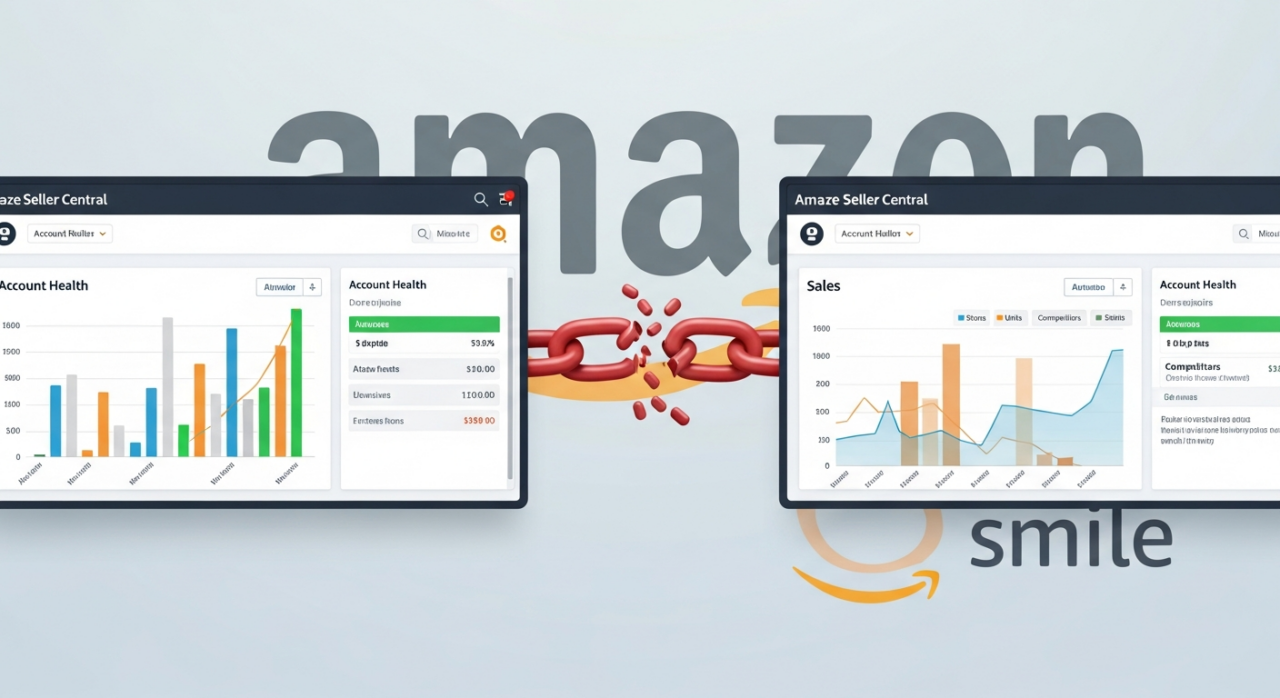
1. Understand Amazon’s Core Policy on Multiple Accounts
First, let’s get the official policy straight. Amazon permits you to have more than one Seller Central account, but only if you have a “legitimate business need.” So, what qualifies? Generally, this includes situations like:
Owning multiple, distinct brands that require separate storefronts and unique strategies, often managed with tools like Jungle Scout or Helium 10.
Manufacturing products for two different and separate companies.
Being enrolled in an Amazon program that necessitates a separate account.
A common misconception is that you still need to ask Amazon for permission beforehand. While this used to be the case, it’s no longer a requirement. You can open a second account without prior approval, provided you have a legitimate business need. However, the most critical rule to remember is this: if one of your accounts is suspended for a policy violation, Amazon reserves the right to suspend all accounts it can link to you. Resolving the issue on the original account is the only way to get your other accounts reactivated. The risk is real, and the accounts are only as strong as your weakest link.
2. Know How Amazon Connects the Dots
To maintain separation, you have to understand how Amazon links accounts in the first place. Their detection systems are sophisticated and look for overlapping data points to identify related accounts. The most common links are:
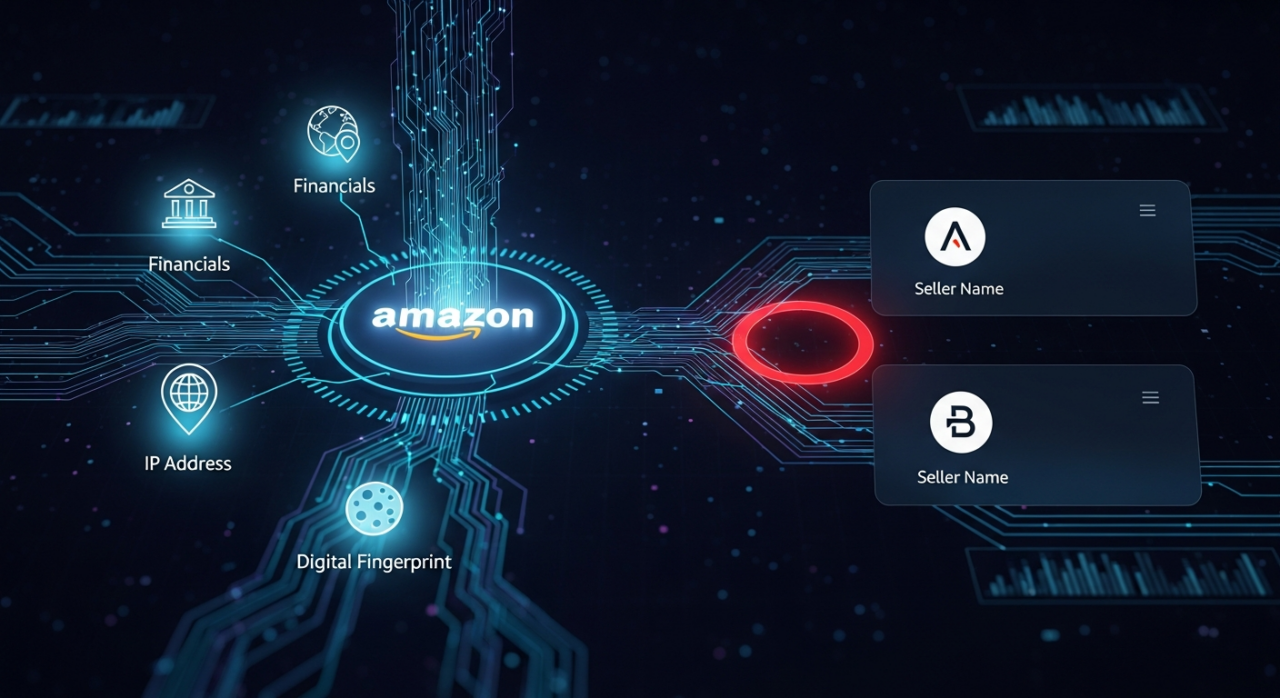
- Financial Information: Using the same bank account, credit card, or financial details across accounts is the fastest way to get them linked.
- IP Address: Consistently logging into multiple accounts from the same home or office internet connection is a major red flag.
- Browser Cookies & Cache: Your browser stores data that can create a digital fingerprint, helping Amazon connect your activity.
However, there’s also a lot of misinformation out there. You may have heard that Amazon tracks your computer’s MAC address or internal serial number, even through a VPN. This is unsubstantiated, and our courses can help you separate fact from fiction. While their methods are advanced, they rely on data transmitted over the internet, and a MAC address typically is not. That said, simply using a VPN isn’t a foolproof solution, as shared financial or business information will still link your accounts instantly.
3. The Blueprint for Proper Account Separation
If you have a legitimate need and are ready to move forward, meticulous separation is non-negotiable. Each seller account must be treated as a completely independent entity. This means every piece of information associated with the account must be unique. Your checklist should include:
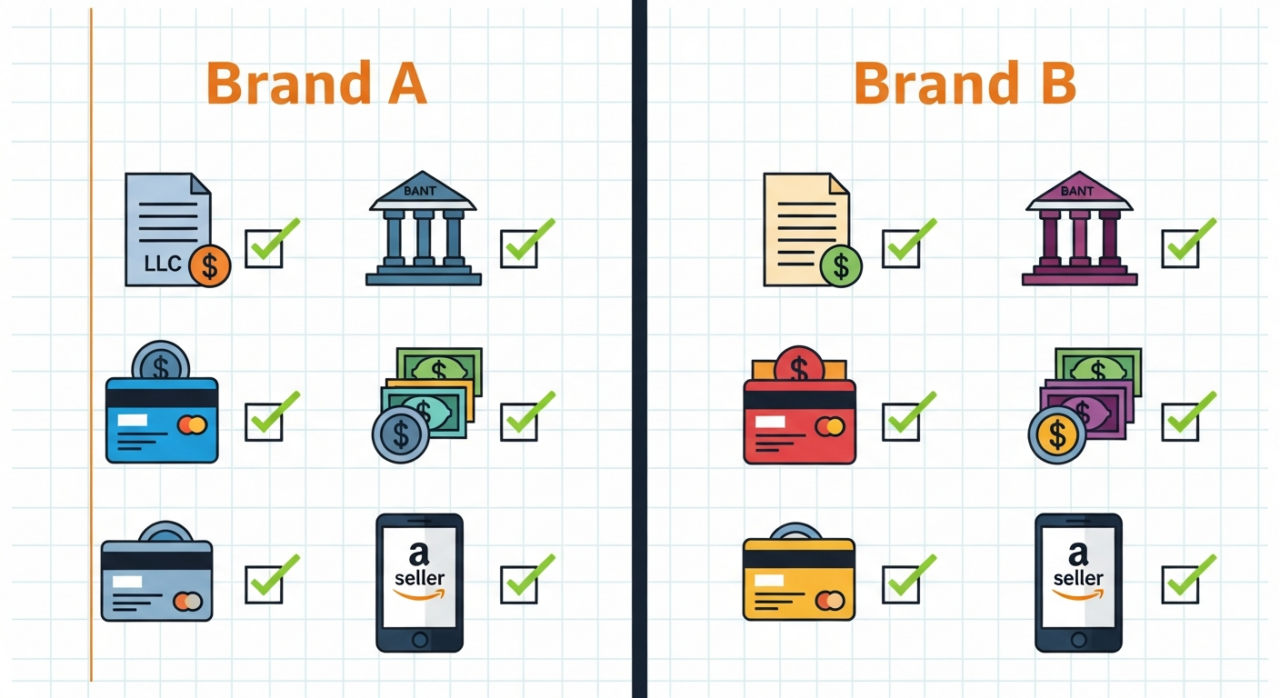
- A separate legal entity: Use a different LLC or corporation for each account.
- A separate bank account: Never share banking details.
- A separate credit card: Each account needs its own card for charges.
- A separate business address and phone number: Do not reuse contact information.
- A separate email address: This is a basic but essential step.
For maximum separation, some sellers even have a different person officially open and own the second business and account. This creates a clear legal and financial distinction that is difficult for Amazon’s systems to link.
4. Use a Virtual Private Server (VPS) for Operational Security
Managing the day-to-day logins is where many sellers get tripped up. How do you log into two different accounts without cross-contaminating your digital footprint? The professional solution is a Virtual Private Server (VPS).
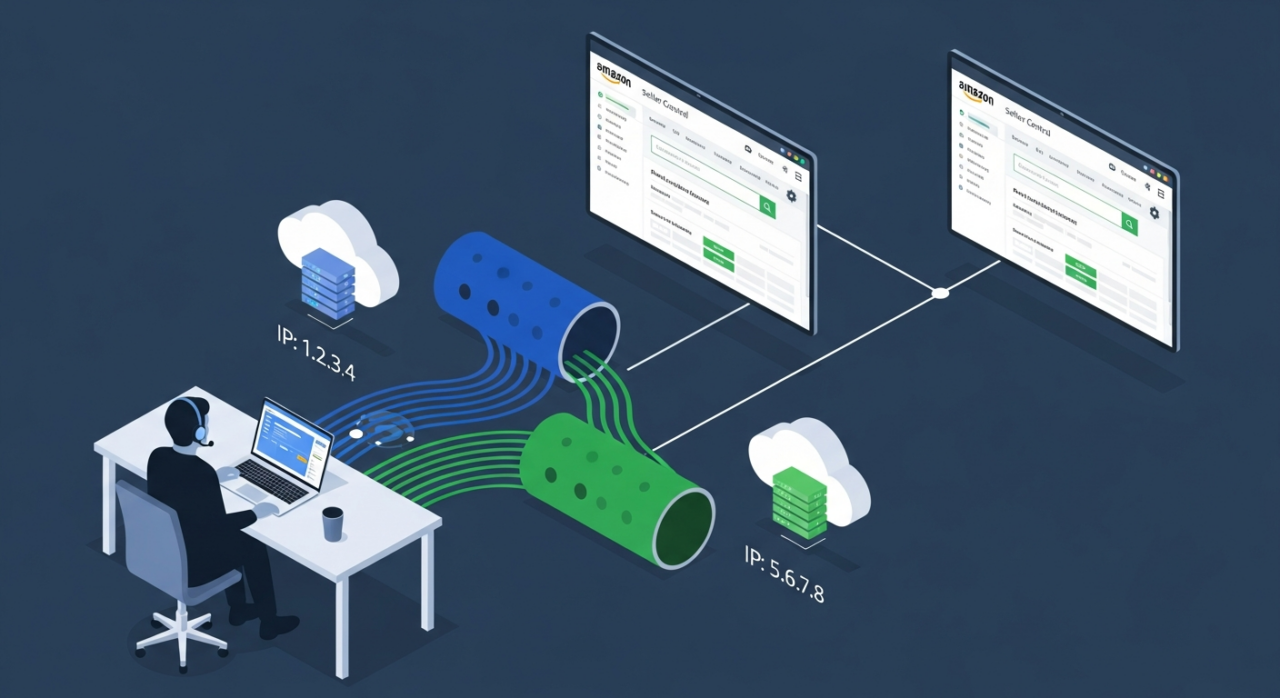
A VPS is essentially a remote computer that you access through the internet. It partitions a physical server into multiple isolated virtual machines, each with its own operating system, dedicated resources, and, most importantly, a unique IP address.
By assigning one VPS to each of your Amazon accounts, you ensure that you are always logging in from a clean, dedicated environment with a distinct IP address. This eliminates the risk of linking accounts through your internet connection or local device. Reputable providers like Amazon Web Services (AWS) via its Lightsail service or Microsoft Azure offer robust VPS solutions perfect for this task.
5. Master User Permissions (and Their Limits)
Amazon’s User Permissions feature in Seller Central is a powerful tool for delegating tasks, but it’s important to understand its limitations. You can grant employees or virtual assistants access to manage inventory, handle orders, or run reports without giving them your primary login credentials.
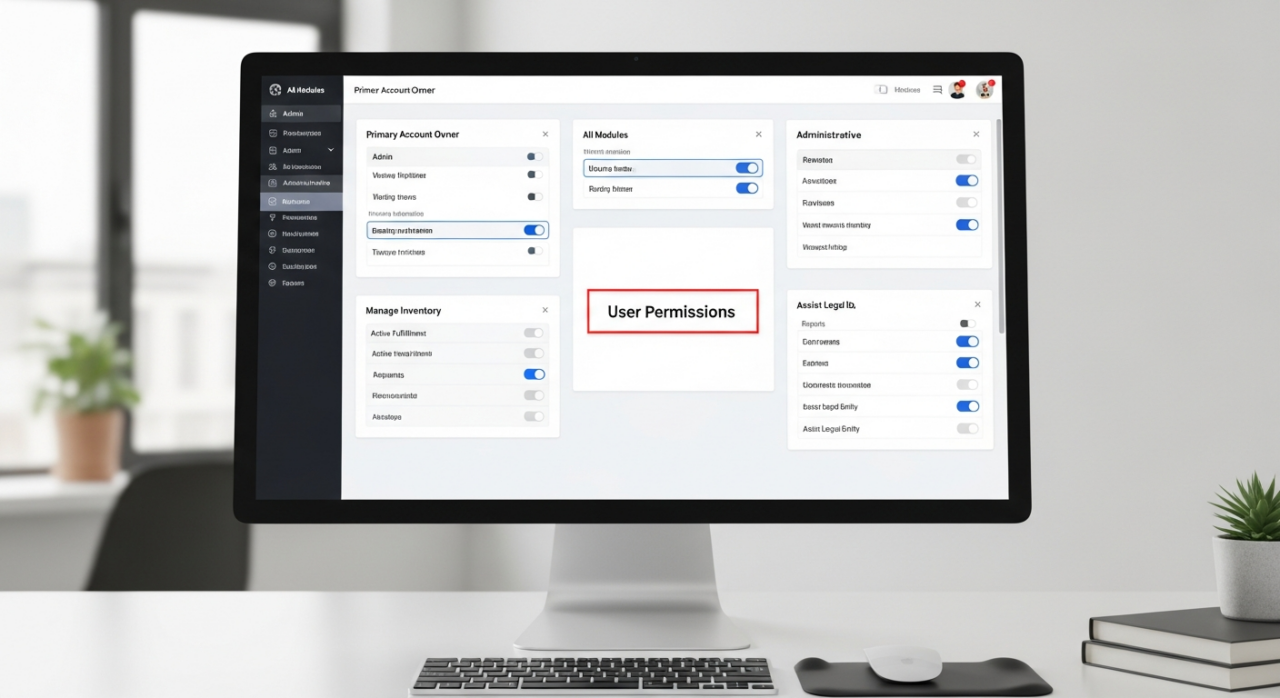
However, a secondary user can never become a “super admin.” Critical functions are reserved exclusively for the primary account owner. For example, a user with secondary permissions cannot change the bank account information or other essential business details on the account. This is a crucial security feature, but it also means that if you are managing an account for someone else, you will never have full control, which can limit your ability to perform certain high-level administrative tasks. Plan your business structure accordingly.
Navigating these complex rules is a significant challenge. For expert guidance tailored to your business, a professional consultation can make all the difference. To ensure your accounts are set up for success and to identify hidden risks, consider a free listing audit or contact our team at EHP Consulting Group directly.
We are here to help you scale.
Note: Include the buttons at the bottom by using “Custom HTML”(Here)
Written By: Liezel Felisilda
📺 YouTube: EHP Consulting Group on YouTube
🎵 TikTok: EHP Consulting Group on TikTok
Email: info@ehpconsultinggroup.com
Website: www.ehpconsultinggroup.com
Number: 925-293-3313
Date Written: June 5, 2026