 (925) 293-3313
The landscape for Amazon sellers has undergone a seismic shift in early 2026. With the implementation of the updated Amazon Services Business Solutions Agreement (BSA) on March 4 and subsequent structural fee changes throughout the first quarter, the rules of engagement have become more complex and the enforcement more stringent. To maintain a healthy account and protect your capital, sellers must adapt to these new “back-end” realities by monitoring their Amazon Seller Central dashboards more closely than ever.
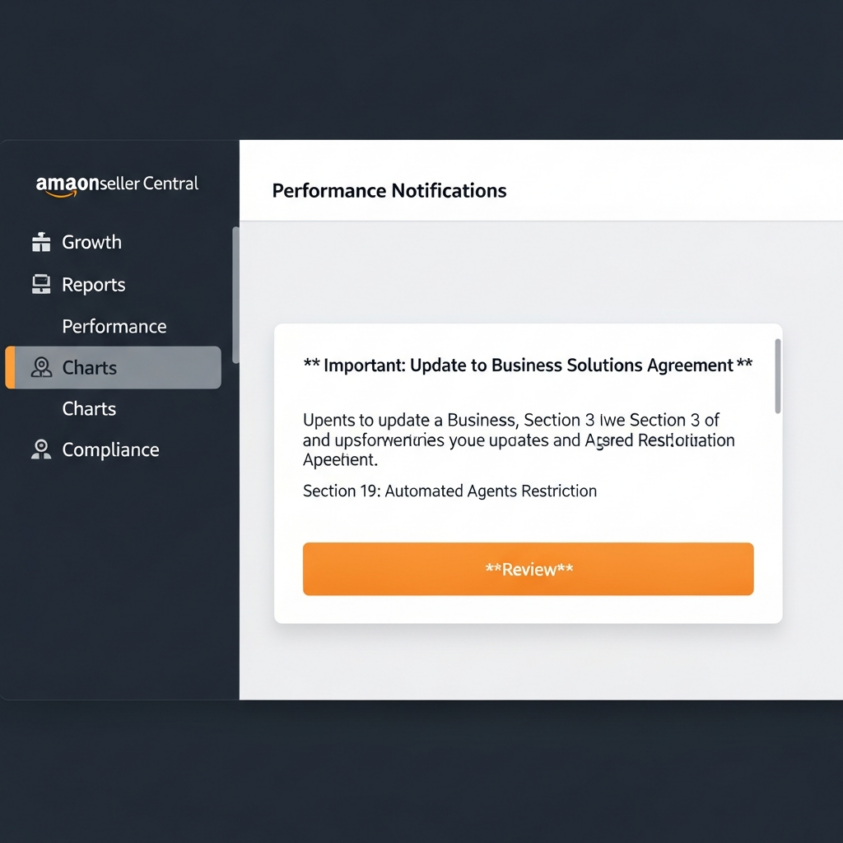
Audit the March 2026 Business Solutions Agreement (BSA) Updates
The most critical change for 2026 is the overhaul of the BSA, specifically Section 3. While Amazon issued performance notifications regarding these updates in February, many sellers missed the fine print. Section 3 now includes vital cross-references to Section 19, which strictly restricts the use of automated agents or AI-driven tools to interact with Amazon’s systems. Furthermore, Section 20 has been revised to update dispute resolution and arbitration terms. Sellers should perform a line-by-line audit of these sections to ensure their third-party software and legal protections are still compliant with the latest language.
Manage Negative Balances to Prevent Inventory “Hostage” Scenarios
One of the most aggressive enforcement trends in 2026 involves the intersection of negative balances and inventory removal. If your account is deactivated due to a policy violation—particularly under the revised Section 3—Amazon now consistently disables inventory removal capabilities if there is an outstanding debt. Under the Funds Withholding Policy, your inventory essentially becomes collateral. To regain access to your stock, you may be required to settle all outstanding fees, returns, and debts via external payment methods before a removal order can even be initiated. For those facing these complex account issues, seeking expert Amazon consulting services is highly recommended.
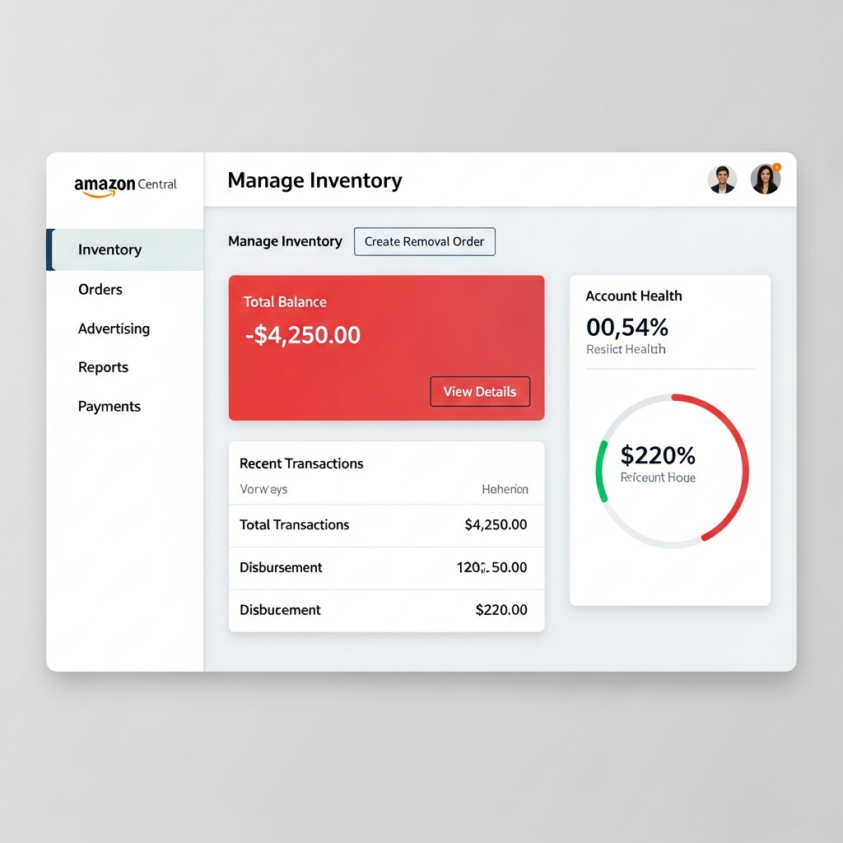
Prepare for Aggressive Cross-Account Payment Collection
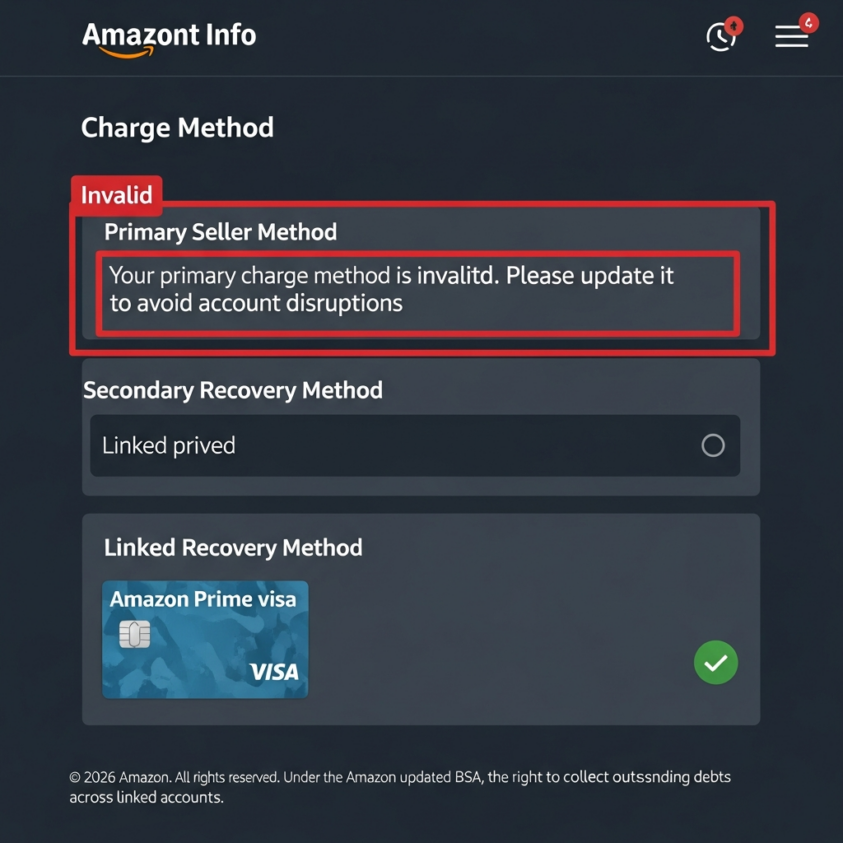
Amazon has expanded its reach regarding debt recovery. Under the 2026 BSA, the platform reserves the right to charge any payment instrument associated with your unified Amazon account to settle merchant debts. This means if your primary seller credit card is invalid, Amazon can pivot to payment methods stored in your buyer account, including cards used for personal Prime purchases. Additionally, as of mid-2025, Amazon has standardized the use of wire transfers and checks as official repayment options for sellers with high negative balances. You must ensure that all linked accounts are monitored to avoid unexpected personal charges.
Recalculate Removal and Disposal Margins
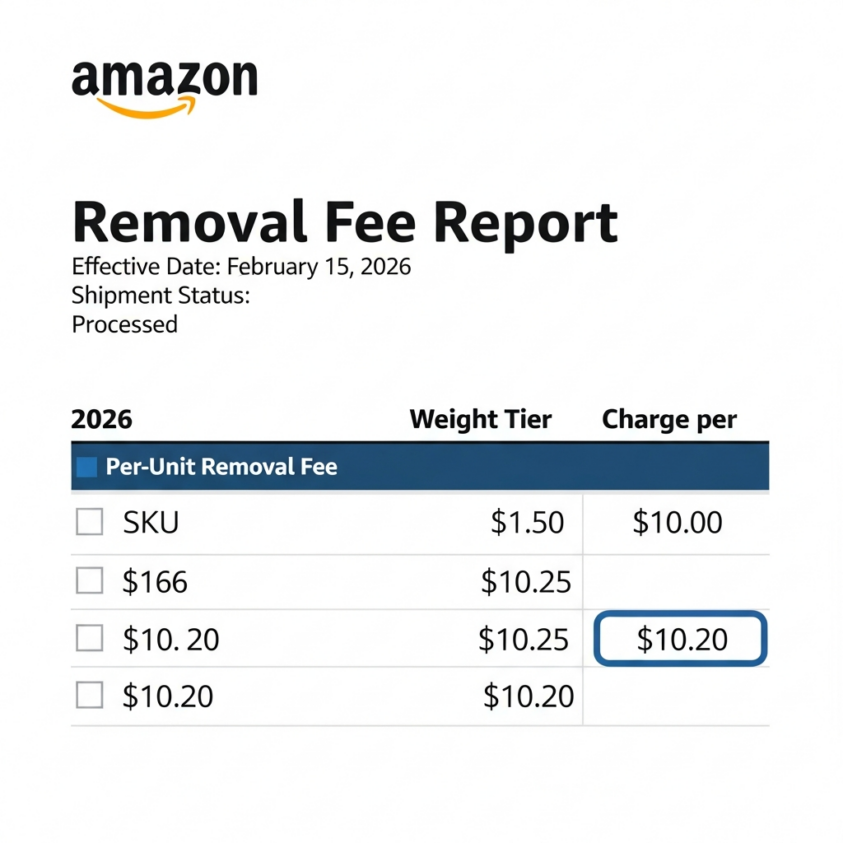
The methodology for billing inventory removals changed significantly on February 15, 2026. Previously, sellers might expect a consolidated bill for bulk removals. Now, removal fees are frequently charged on a per-unit basis as each item is processed and shipped. This change, combined with the January 15 fee updates for bulky and standard-size items, means that a large-scale removal can result in thousands of dollars in fragmented charges. Sellers should perform a free listing audit and update their liquidation models to account for these per-unit costs, which can range from $1.00 to over $10.00 depending on the weight tier.
Monitor the 30-Day Liquidation Countdown
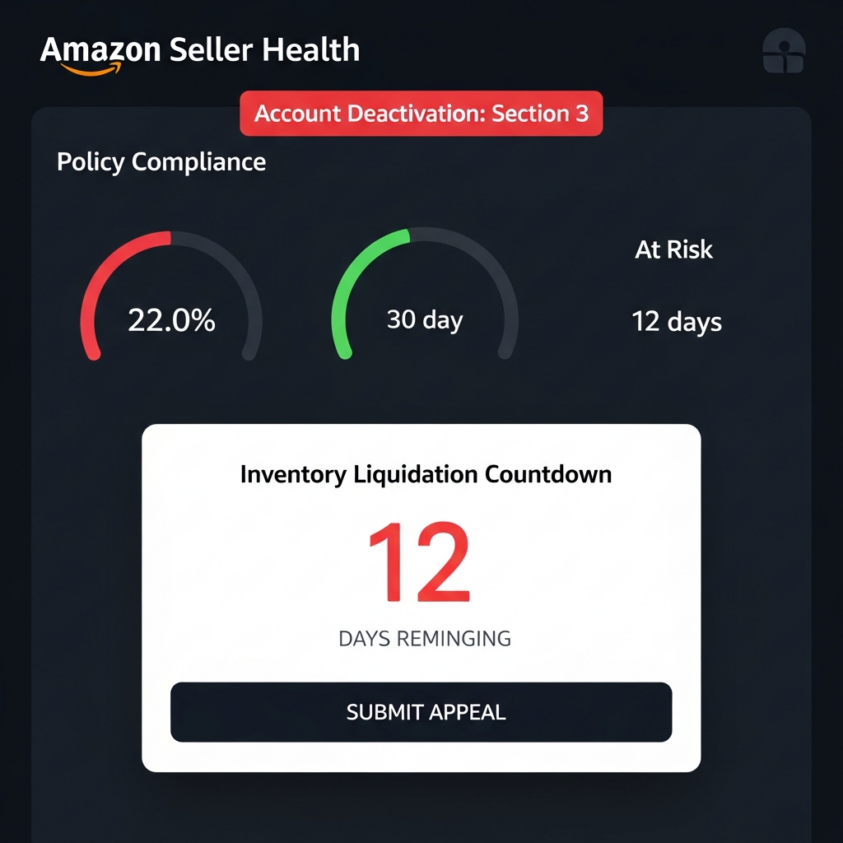
The window to save your inventory after a deactivation notice has narrowed. Current policy dictates that if inventory is not removed within 30 days of a deactivation notice—often because a seller is still trying to negotiate the suspension—it becomes subject to automatic liquidation or destruction. Because standard support channels and automated systems often block communication once an account is flagged for “Section 3: Deceptive or Illegal Activity,” you must have a contingency plan. If you find yourself in this situation, contact us immediately to settle balances and initiate removals within the first week of a flag.
Transition to Weight-Tiered Shipping Models
As of March 24, 2026, Amazon officially eliminated price-banded shipping rates in favor of strict weight-tiered models. This structural change affects how your shipping costs are calculated and how they impact your overall account balance. If you haven’t audited your SKUs against the new weight tiers, you may find your account slipping into a negative balance more quickly than in previous years. To master these logistical shifts, consider enrolling in specialized Amazon seller courses. For a deeper dive into these updates, you can also view our latest video guide on navigating 2026 fee changes.
Staying compliant and profitable in this new era requires constant vigilance. Many successful brands have shared their experiences in our client testimonials, highlighting the importance of staying ahead of these “back-end” policy shifts. Accurate data entry for every unit is no longer optional; it is a requirement to prevent the fee creep that leads to account enforcement.
YouTube Channel Link: EHP Consulting Group on YouTube
TikTok Profile Link: EHP Consulting Group on TikTok
Written By: Jhan Rose Magbanua
Email: info@ehpconsultinggroup.com
Website: http://www.ehpconsultinggroup.com
Number: 925-293-3313
Date Written: Jun 7, 2026