 (925) 293-3313
For entrepreneurs looking to capitalize on the massive traffic of social commerce, understanding the backend financial mechanics of TikTok Shop US is just as critical as creating viral content. Navigating the “Finance” tab can feel daunting, but mastering these steps ensures your cash flow remains steady and your business stays compliant.
Registering Through the Official Seller Center
The first step in your financial journey is ensuring you are operating on the correct platform. All financial management, from tracking earnings to updating tax information, happens at the official TikTok Shop Seller Center. When registering, you must provide valid tax documentation, such as a Social Security Number (SSN) for individual sellers or an Employer Identification Number (EIN) for business entities. Completing this documentation accurately is a prerequisite for activating any payout features; without it, your funds will remain frozen within the platform.
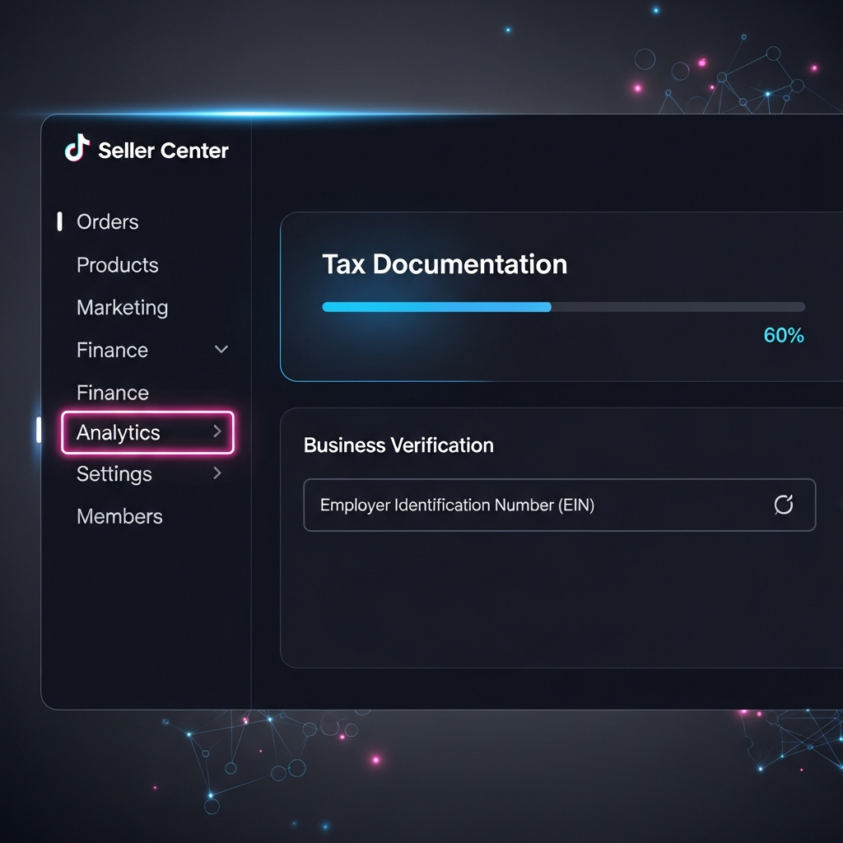
For more specific details on documentation, sellers can refer to the official university resources for US sellers to ensure every field is filled correctly before submission.
Verifying Your Bank Account for Payouts
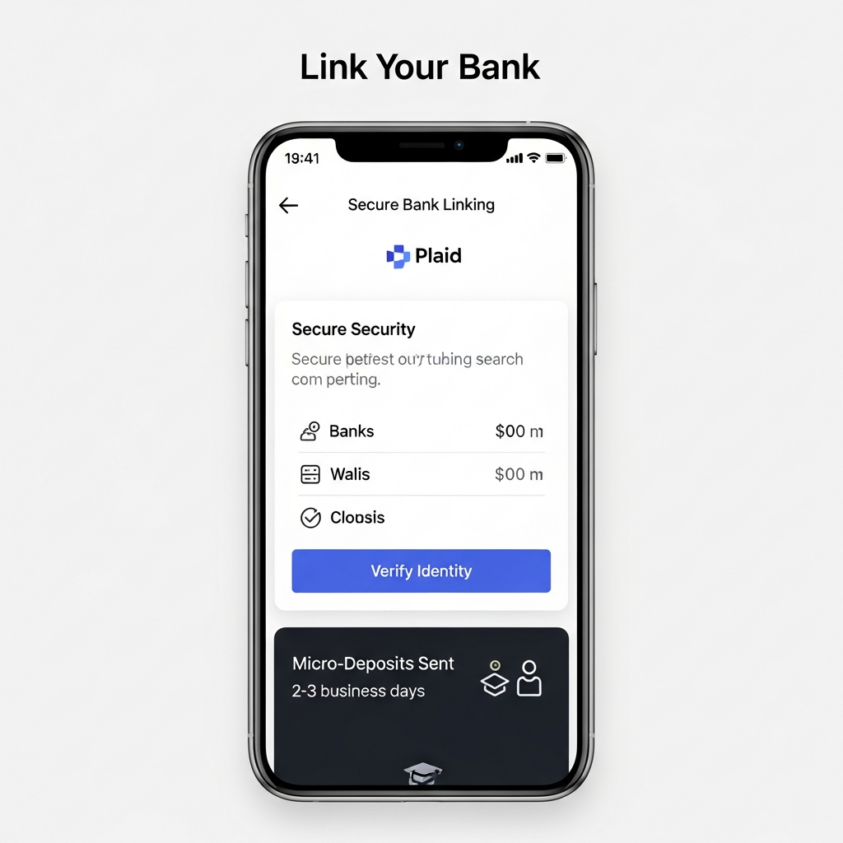
Once your shop is registered, you must link a valid bank account to receive your earnings. TikTok Shop utilizes third-party verification services like Plaid or manual micro-deposits to ensure the account belongs to the registered seller. While the initial link often appears to process within one business day, manual verification—where TikTok sends small test amounts to your account—can take between two and three business days. It is vital to complete this step early so that your first settlement has a verified destination.
Understanding the Settlement and Probation Cycles
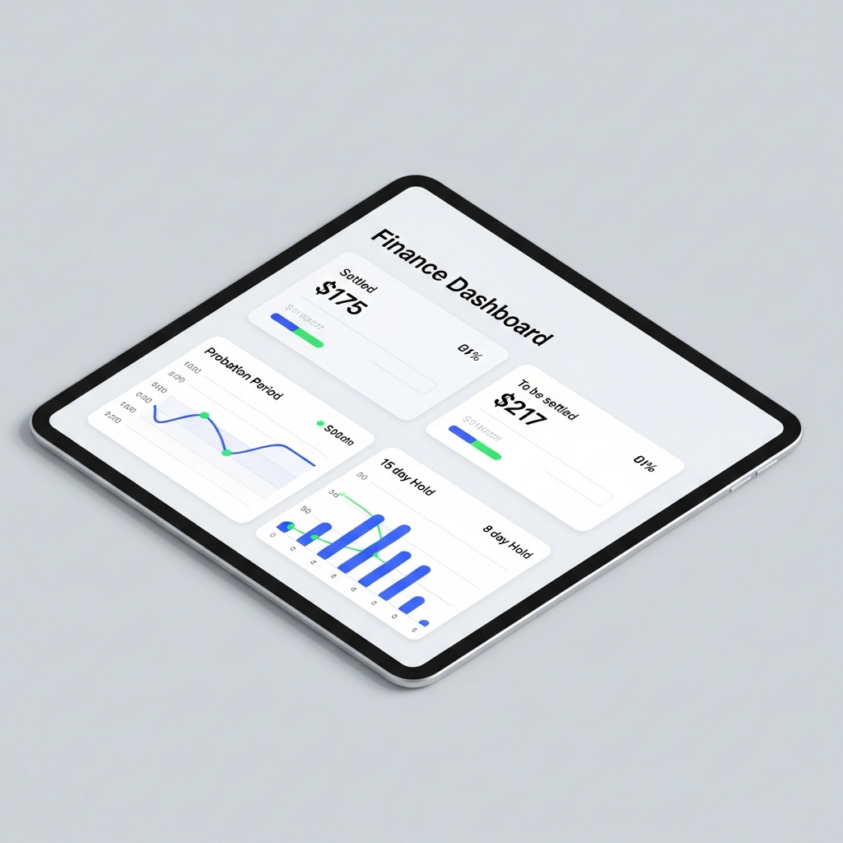
One of the most misunderstood aspects of TikTok Shop is the time it takes for sales to turn into spendable cash. New sellers are placed in a “Probation Period” to ensure order fulfillment quality. During this time, the settlement period is typically 15 days after the order is marked as delivered. Once a seller becomes established and moves past the probation phase, this window usually shrinks to 8 days post-delivery. While some sellers fear a 45-day wait, this usually only occurs if there are high dispute rates or manual holds due to policy violations. Sellers looking to optimize their performance often study e-commerce case studies to learn how to maintain the high ratings required for faster settlements.
Managing Product Liability Insurance Requirements
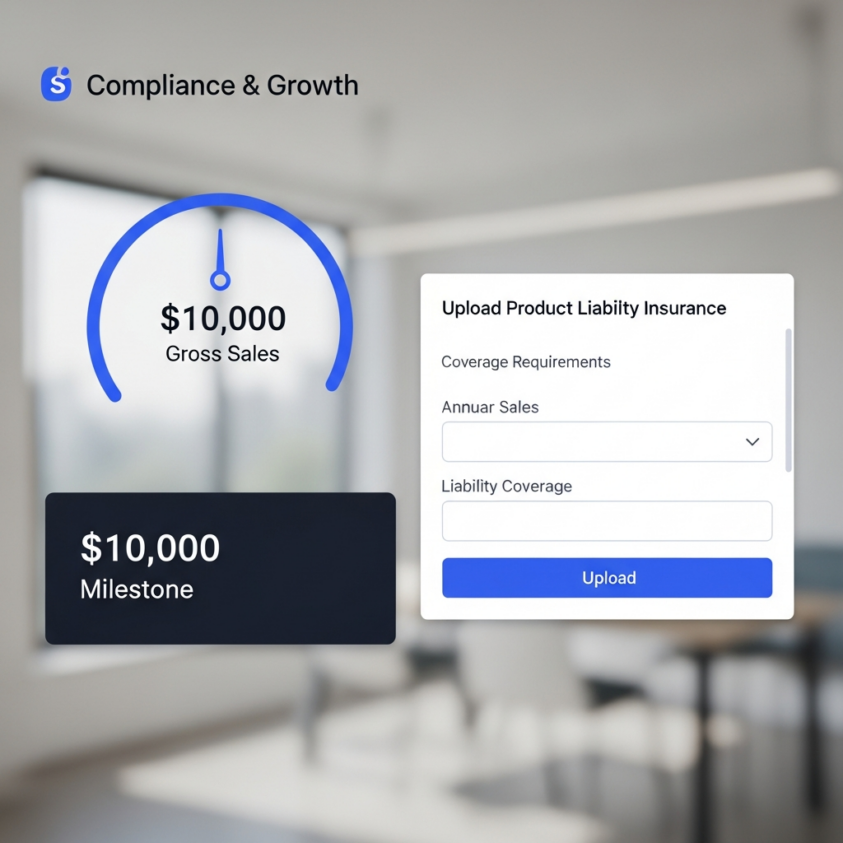
As your shop grows, TikTok requires you to carry Product Liability Insurance to protect both the platform and your business. The current threshold for this requirement is reaching $10,000 in gross monthly sales for three consecutive months. This mirrors the standards set by other major e-commerce platforms. If you hit this volume, you must upload proof of insurance that meets TikTok’s specific coverage limits. Keeping an eye on your monthly volume is essential to avoid sudden account restrictions once you hit that $10,000-per-month milestone. For brands scaling rapidly, professional e-commerce services can help manage these compliance transitions.
Preparing for Tax Reporting and the 1099-K
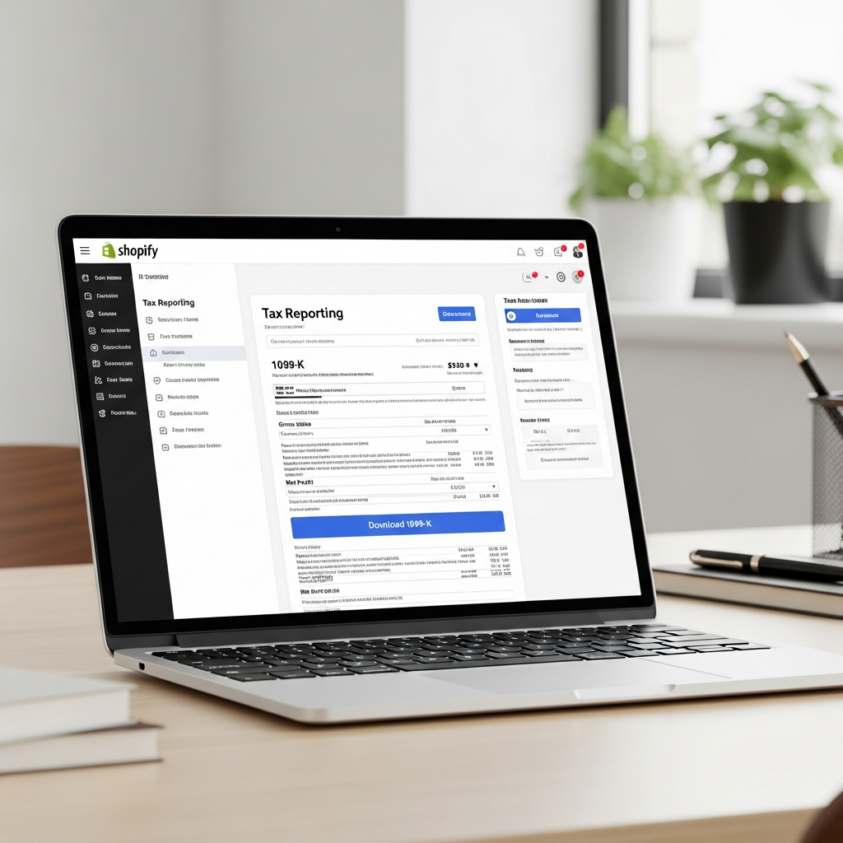
Tax compliance is a major pillar of the TikTok Shop finance ecosystem. For the 2024 tax year, the IRS is implementing a phase-in threshold for Form 1099-K reporting. If your shop generates more than $5,000 in gross income within the calendar year, TikTok is required to issue a 1099-K form to both you and the IRS. Because this threshold has lowered significantly from previous years, it is important to keep meticulous records of your gross sales versus your actual net profit after fees and shipping costs. Those looking to sharpen their financial management skills may benefit from specialized e-commerce courses focused on profitability and tax readiness.
Navigating the Finance Dashboard Features
To keep your finger on the pulse of your business, you must regularly monitor the “Finance” tab in the Seller Center. This dashboard breaks your money down into three critical categories: “To be settled,” “Settled,” and “Adjustments.” Funds under “To be settled” represent orders that are either in transit or within the mandatory hold period. Once the hold clears, funds move to “Settled,” where they can be withdrawn. Finally, the “Adjustments” section tracks deductions for customer returns, refunds, or platform fees, providing a transparent look at your net earnings.
If you have questions regarding your specific shop’s growth or financial health, don’t hesitate to contact us for a consultation. You can also learn more about full-scale account management at EHP Consulting Group. For international sellers, such as those in the United Kingdom, local financial guidelines can be found in the UK-specific Seller University documentation.
Ready to Grow on Amazon?
At EHP Consulting Group, we help sellers rank higher, sell more, and scale faster.
👉 Contact us to audit your Amazon strategy
👉 Learn more about our full Amazon account management services
YouTube Channel Link: EHP Consulting Group on YouTube
TikTok Profile Link: EHP Consulting Group on TikTok
Written By: Jane Camille Olegario
Email: info@ehpconsultinggroup.com
Website: http://www.ehpconsultinggroup.com
Number: 925-293-3313
Date Written: July 20, 2026