 (925) 293-3313
Choosing the right fulfillment partner is one of the most critical decisions an e-commerce business can make. It impacts everything from shipping speed and customer satisfaction to your bottom line. For years, Fulfillment by Amazon (FBA) has been the default for many sellers, but the landscape is shifting. As Amazon’s rules and fees evolve, many brands are now weighing the benefits of a dedicated third-party logistics (3PL) partner.
But which path is right for your business? Let’s break down the key differences to help you make a more informed decision.
1. Analyze Your Product Catalog for Restrictions
Before you commit to a fulfillment solution, you need to know if they’ll even accept your products. While a 3PL is essentially a dedicated warehouse partner, Amazon’s FBA network operates under a specific and growing list of restrictions.
FBA has strict rules against many product categories it deems hazardous or difficult to handle. This includes common items that are flammable, pressurized, or corrosive. They also have specific restrictions on items like pesticides. More surprisingly for many sellers, FBA enforces a “meltable” inventory policy. During the warmer months, typically from April to October, they will not store or ship heat-sensitive products like chocolates, gummies, or certain wax-based goods.
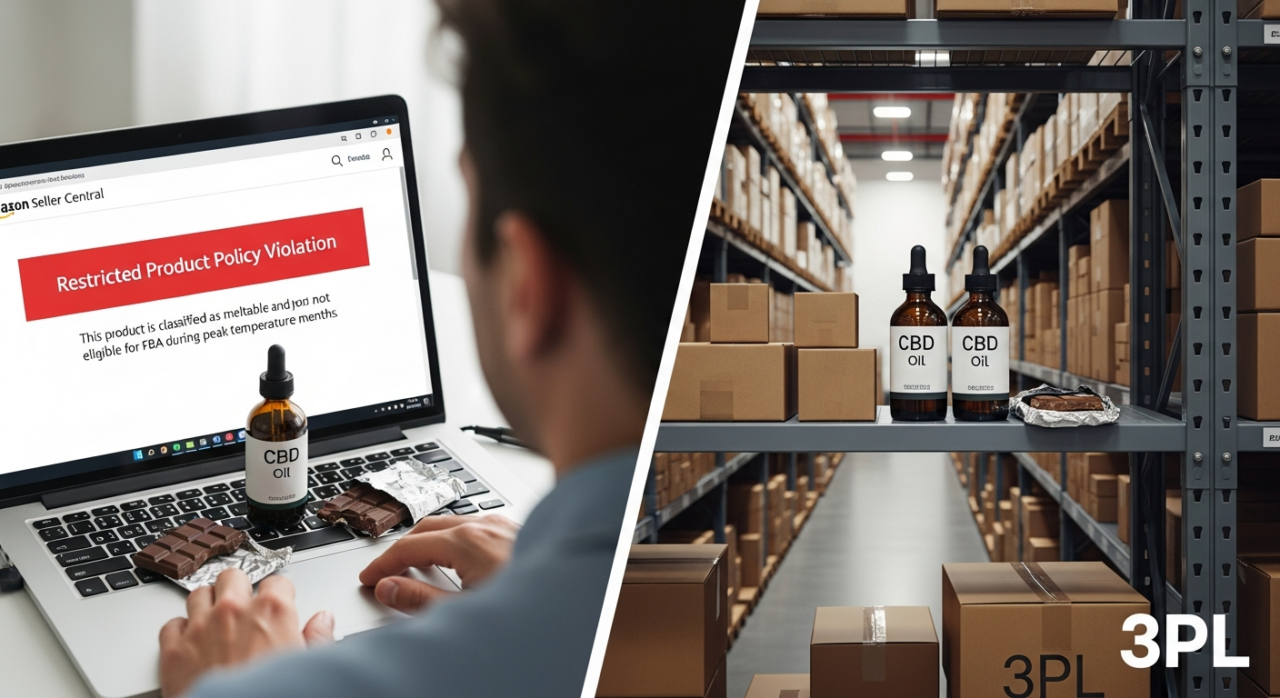
A 3PL, on the other hand, can often provide more flexibility. Many 3PLs specialize in handling products that FBA won’t, including those requiring temperature-controlled storage or special handling, giving you the freedom to sell your full catalog year-round.
2. Compare the True Cost of Storage and Fulfillment
Fees are a massive factor in profitability, and it’s crucial to look beyond the surface-level costs. Amazon FBA fees have a history of periodic increases, making it difficult to forecast long-term expenses.
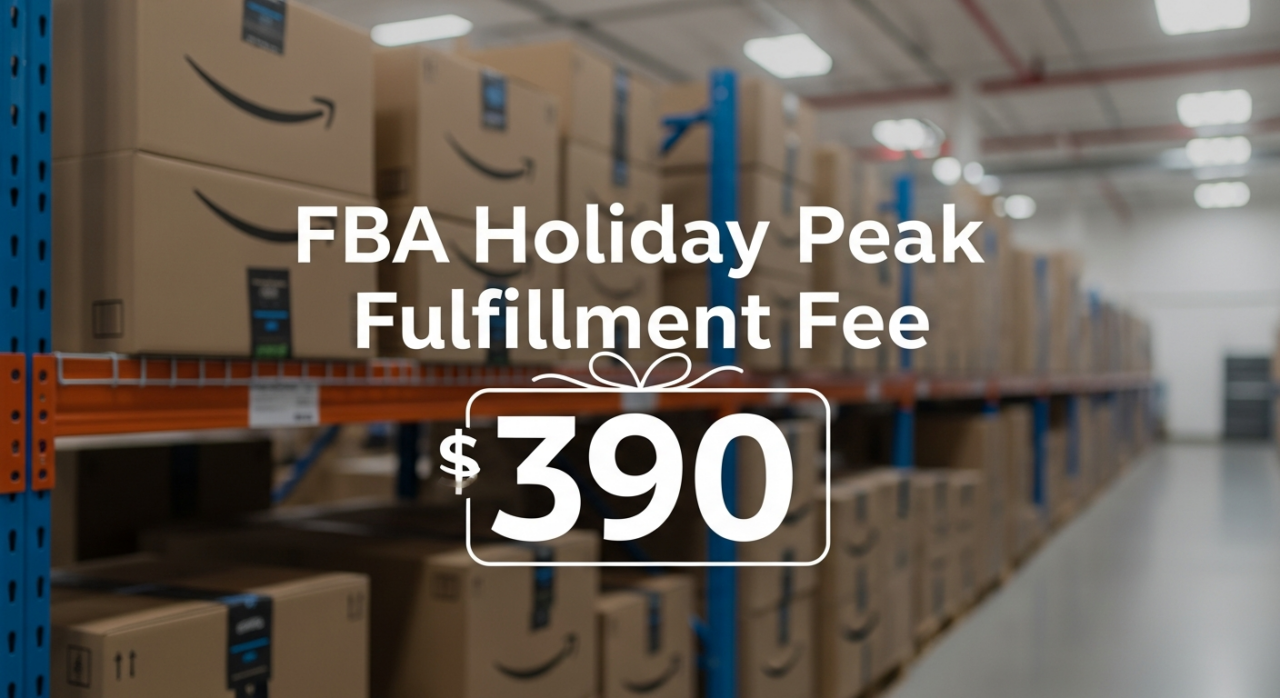
A significant point of financial pressure for FBA sellers is the holiday season surcharge. From October to December, Amazon’s monthly inventory storage fees increase dramatically. For example, the fee for a standard-size product can jump to $2.40 per cubic foot, a substantial hike from the off-peak rate. This can eat into your margins during what should be your most profitable time of year.
While 3PLs also have peak season plans, their pricing models can often be more transparent and tailored to your specific needs, potentially offering more stability and predictability for your financial planning.
3. Account for Product Preparation Requirements
Getting your inventory ready for fulfillment is a non-negotiable step, and how it gets done is changing. Historically, sellers could pay Amazon to handle tasks like bagging, bubble wrapping, and applying FNSKU barcodes through their FBA prep services.
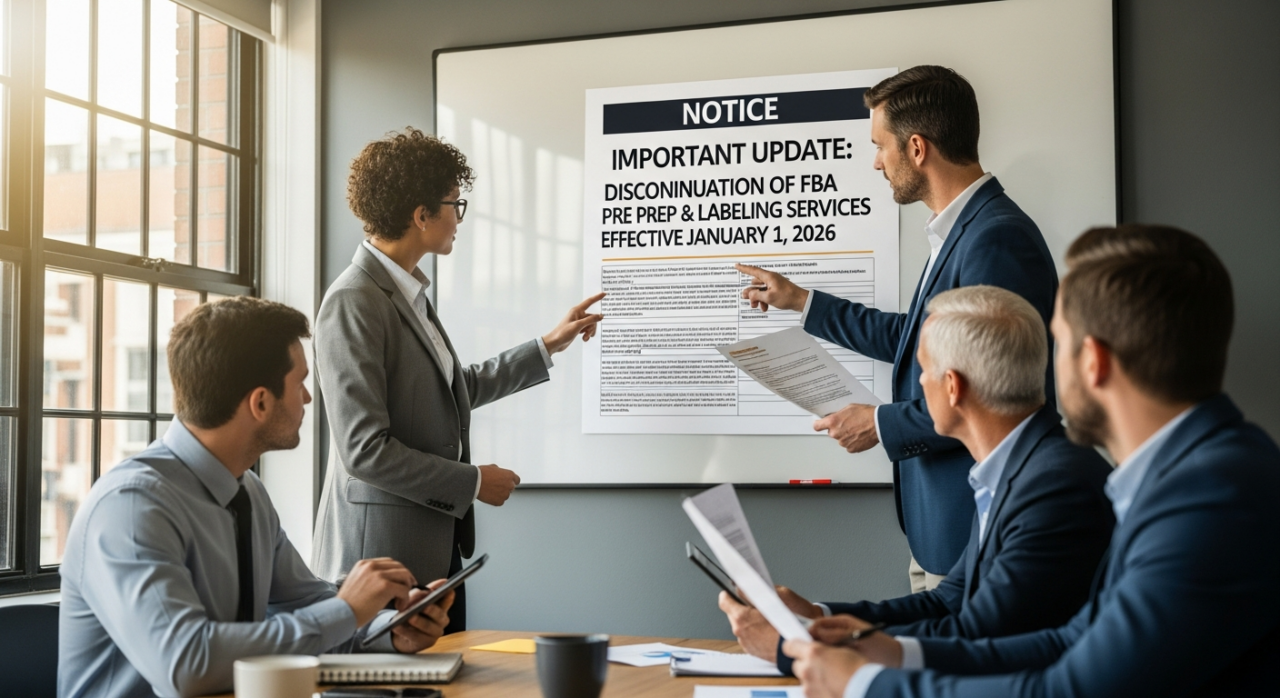
However, this is coming to an end. Amazon is discontinuing its FBA prep and labeling services in the U.S. effective January 1, 2026. After this date, sellers will be 100% responsible for ensuring their products are perfectly prepped and labeled before arriving at an Amazon fulfillment center. This shift adds another operational layer for sellers to manage.
This is where a 3PL can be a powerful ally. Most 3PLs offer comprehensive prep services as a core part of their business. They can receive your inventory from the manufacturer, ensure it meets the requirements of any sales channel (including Amazon), and manage the entire process, freeing you up to focus on growing your brand.
4. Evaluate Your Multi-Channel Sales Strategy
Selling on a single platform is risky. A robust multi-channel strategy—selling on your own website, Walmart, Etsy, and other marketplaces—is key to sustainable growth. Your fulfillment partner must be able to support this strategy seamlessly.
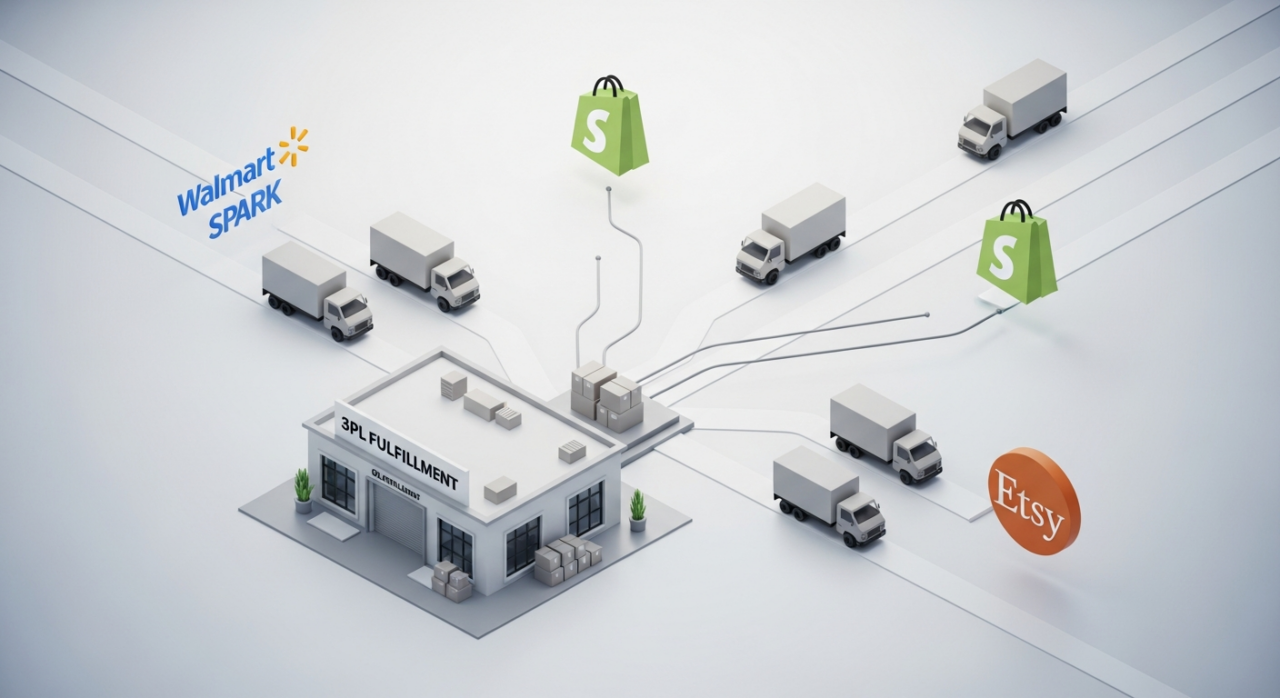
3PL providers are built for multi-channel fulfillment. They are channel-agnostic, meaning they can connect to virtually any marketplace or e-commerce platform and ship orders under your brand’s name. This provides a consistent and professional customer experience, regardless of where the sale was made.
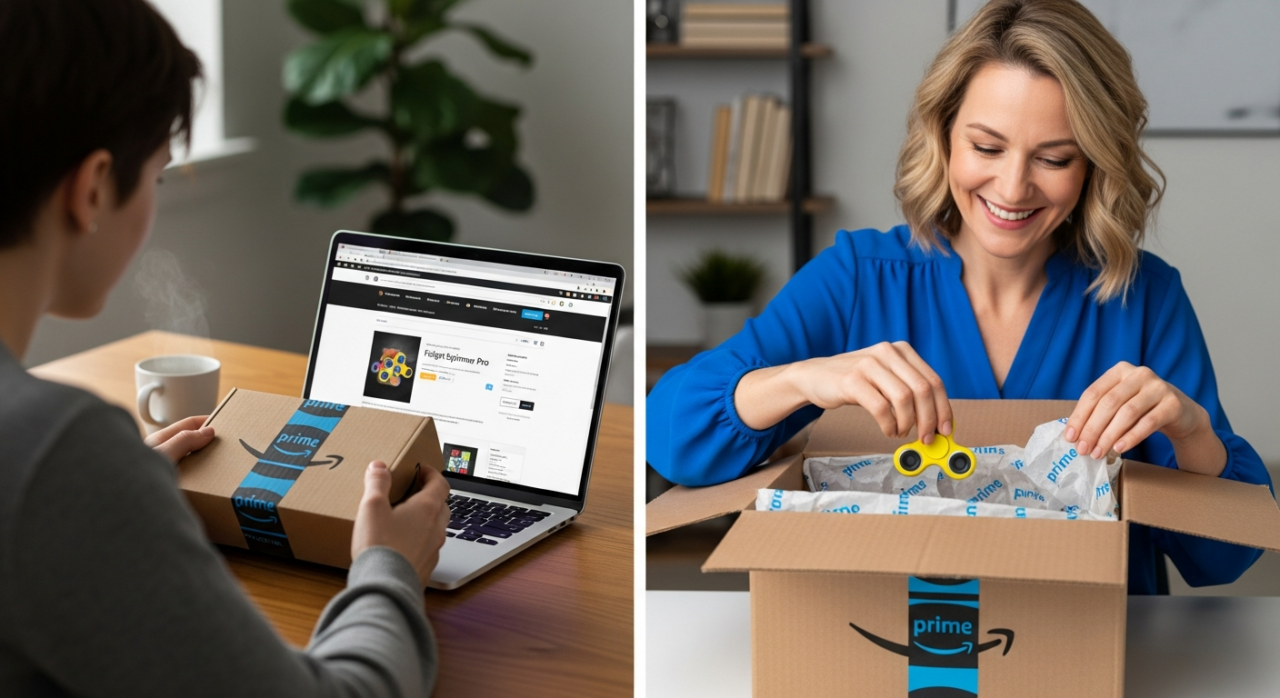
Amazon offers its own solution called Multi-Channel Fulfillment (MCF), which allows you to use your FBA inventory to fulfill orders from other channels. While Amazon has made improvements, such as offering unbranded packaging to comply with marketplaces like Walmart, it hasn’t always been a smooth process. Historically, some marketplaces have had policies against receiving orders shipped in Amazon-branded boxes via Amazon Logistics. Using a 3PL eliminates this channel conflict entirely, ensuring your brand, not the fulfillment provider’s, is always front and center..
Need Help Growing Your Sales?
We are here to help you scale.
YouTube Channel Link: EHP Consulting Group on YouTube
TikTok Profile Link: EHP Consulting Group on TikTok
Written By: Ahzel P. Miral
Email: info@ehpconsultinggroup.com
Website: http://www.ehpconsultinggroup.com
Number: 925-293-3313
Date Written: July 21, 2026