 (925) 293-3313
Navigating an Amazon suspension is one of the most stressful experiences a third-party seller can face. When your dashboard flashes a notification regarding a “Section 3” suspension, it means Amazon has invoked a specific clause in its legal agreement to halt your operations. Understanding the mechanics of this process and how to respond strategically through a proper Amazon account suspension appeal is often the difference between a permanent ban and a restored account.

Understanding Amazon Section 3 and the BSA
The “Section 3” mentioned in suspension notices refers to the Term and Termination clause of the Amazon Services Business Solutions Agreement (BSA). This is the primary contract that governs the relationship between Amazon and its sellers. Under this clause, Amazon maintains the right to terminate your participation or suspend your account immediately. This usually occurs if they determine you have breached the agreement, engaged in fraudulent activity, or provided customer service that falls below their required threshold. Because Section 3 is a broad legal umbrella, it is used for everything from related account issues to serious policy violations. Many sellers find that professional Amazon consulting services are necessary to decode the specific reason behind such a broad notification.

Navigating Communication During a Suspension
One of the biggest misconceptions sellers have is that a suspension means a total communication blackout. While it is true that a fully deactivated account may lose access to the “Call Me Now” button or certain Account Health support features, many sellers still have a window for dialogue. If you are having trouble accessing your portal, you should review the official Amazon login help resources. If your “Appeal” button is active, you may still be able to request a callback or use specific help-desk channels to discuss the nuances of your case. It is vital to use these channels professionally; every interaction is logged and can influence the human investigator assigned to your file.
Developing a Concise Plan of Action (POA)
When it comes to the appeal itself, the goal is clarity and brevity. Amazon’s Seller Performance Team reviews thousands of appeals daily, meaning they do not have time for emotional pleas or long narratives. Your Plan of Action (POA) should be a professional document, preferably in PDF format, that utilizes bullet points for readability. For those unfamiliar with the requirements, taking specialized Amazon seller courses can provide the template needed for success.
A successful Amazon account suspension appeal must address three specific areas: the root cause of the issue, the immediate actions taken to fix it, and the long-term preventative measures you have implemented. Use “I” instead of “we” to show personal accountability. Despite the high level of automation in Amazon’s initial scanning, formal Section 3 appeals are typically reviewed by human investigators. Providing a clear, data-driven argument makes it easier for that human reviewer to say “yes” to your reinstatement.

Managing Financial Liabilities and Withheld Funds
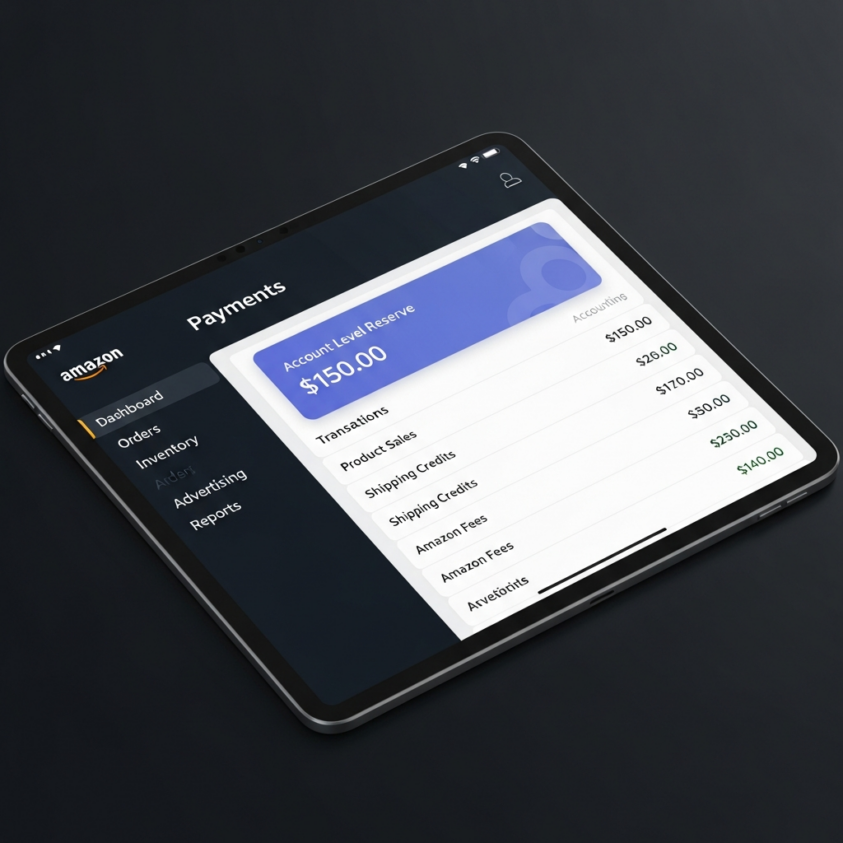
A Section 3 suspension doesn’t just stop your sales; it impacts your capital. Per the BSA, Amazon has the right to offset any amounts you owe, such as returns, chargebacks, or A-to-z claims, by charging your registered credit card or deducting funds from your current balance. Understanding the full scope of Amazon account suspension consequences is vital for business continuity. If the suspension is triggered by suspected fraudulent activity, Amazon will typically withhold your funds for at least 90 days. This period allows them to ensure there is enough capital to cover potential customer claims before any remaining balance is released.
The High Risk of Stealth Accounts
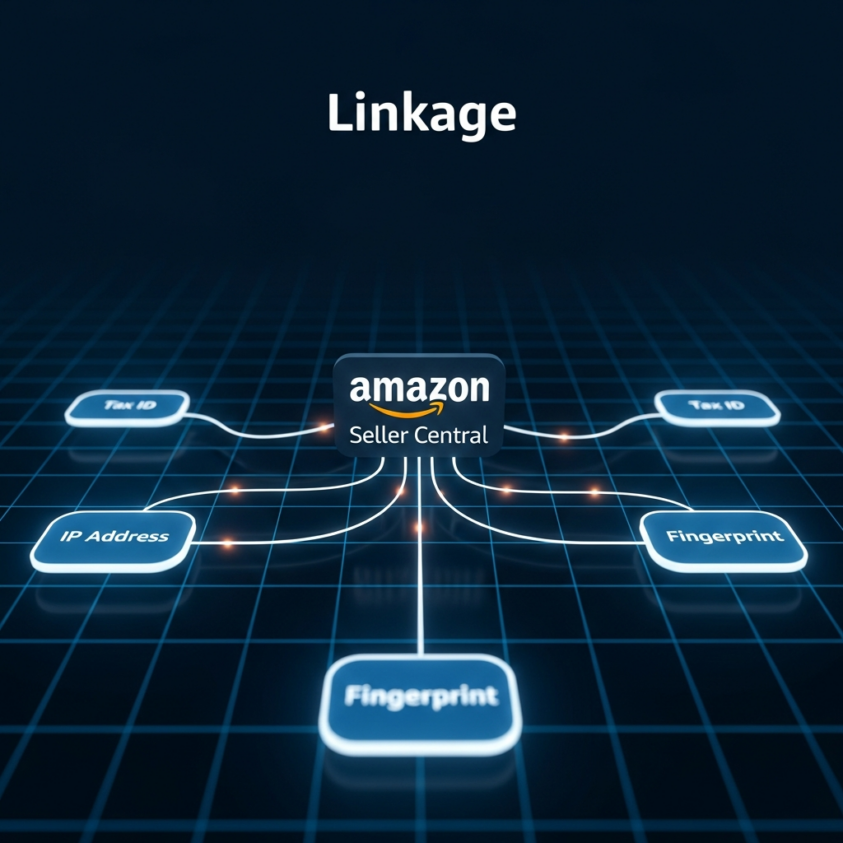
When a suspension feels final, some sellers are tempted to create “stealth accounts”, new accounts created under different identities to bypass the ban. While this is not a criminal act, it is a direct and severe violation of Amazon’s Seller Code of Conduct. Amazon uses sophisticated “linkage” technology, including IP address, MAC address, browser fingerprint, and tax ID tracking, to identify and shut down these accounts. Experts at EHP Consulting Group strongly advise against this tactic.
Attempting to circumvent a suspension by creating a second account without a “legitimate business need” (as defined by Amazon) almost always leads to a permanent ban on all associated accounts. Rather than risking a lifetime exclusion from the platform, the most sustainable strategy is to focus on a legitimate appeal and addressing the root causes identified in the original Section 3 notice. If you are unsure of your next steps, it is best to contact us for a professional evaluation of your account status.
Need Help Growing Your Sales?
We are here to help you scale.
Stay ahead with the latest tips and trends in online selling:
🎥 YouTube – EHP Consulting Group
📱 EHP Consulting Group
Written By: Janine Alaban
Written By: Janine Alaban
Website: http://www.ehpconsultinggroup.com
Number: 925-293-3313
Date Written: July 08, 2026