 (925) 293-3313
For international brands expanding into the U.S. market via Walmart Marketplace, the logistics of product returns have historically been a significant barrier to profitability. Many sellers from regions like China, the UK, and Canada have long relied on the “Keep It” rule—essentially giving products away for free to avoid the exorbitant cost of international return shipping. However, as Josh Hackett, CEO of EHP Consulting Group, points out, Walmart’s Returns Shipping Service (RSS) and its network of partners are changing the game.
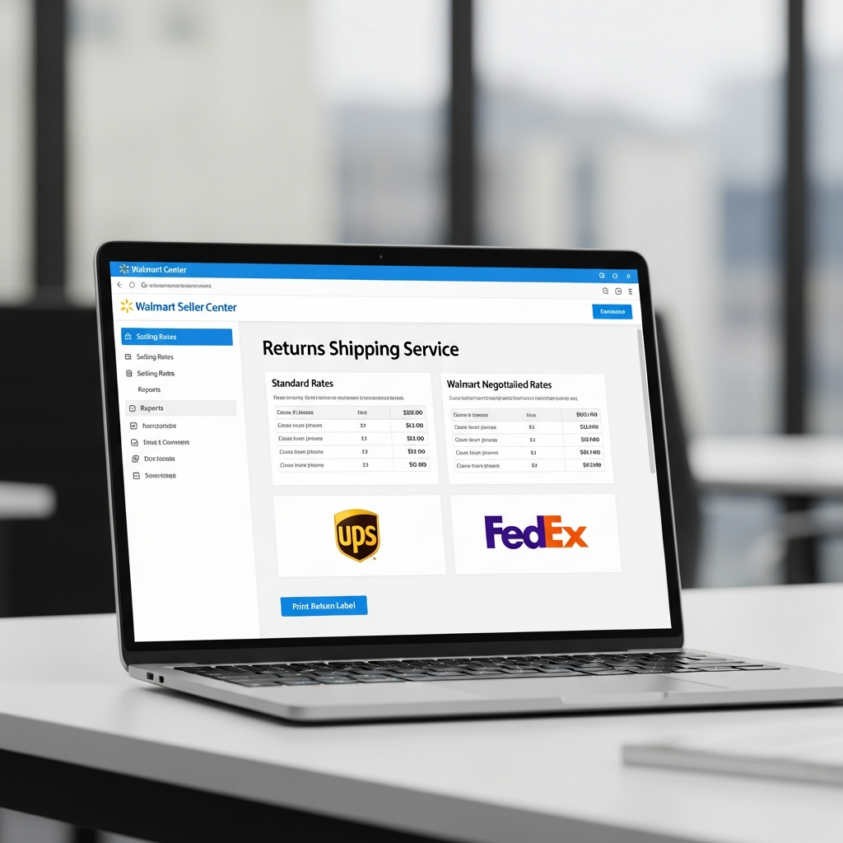
By leveraging Walmart’s negotiated infrastructure, international sellers can transition from a strategy of total loss to one of value recovery through professional marketplace services. Here is how to navigate and optimize the Walmart return ecosystem.
Leverage Walmart’s Returns Shipping Service (RSS) for Discounted Rates
The foundation of a solid return strategy is the Returns Shipping Service (RSS). This is Walmart’s default label-printing option for Marketplace returns, and it provides sellers access to Walmart’s heavily discounted shipping rates with major carriers like FedEx and UPS. This is a critical component for those getting started with WFS as international sellers.
Because Walmart handles a massive volume of shipments, these negotiated rates are significantly lower than what an individual seller could obtain independently. While the seller remains the “shipper of record”—meaning you are responsible for filing claims if a package is lost or damaged—the cost savings on the return label itself make it feasible to have items shipped back to a domestic hub rather than simply writing them off.
Meet the U.S. Return Address Requirement via 3PL Partners
Walmart Marketplace policy is strict: every seller, regardless of their home country, must provide a valid U.S.-based return address. For international sellers without a physical presence in the United States, this requirement once felt like an insurmountable hurdle. Understanding the Walmart cross-border imports overview is essential for setting up these logistics correctly.
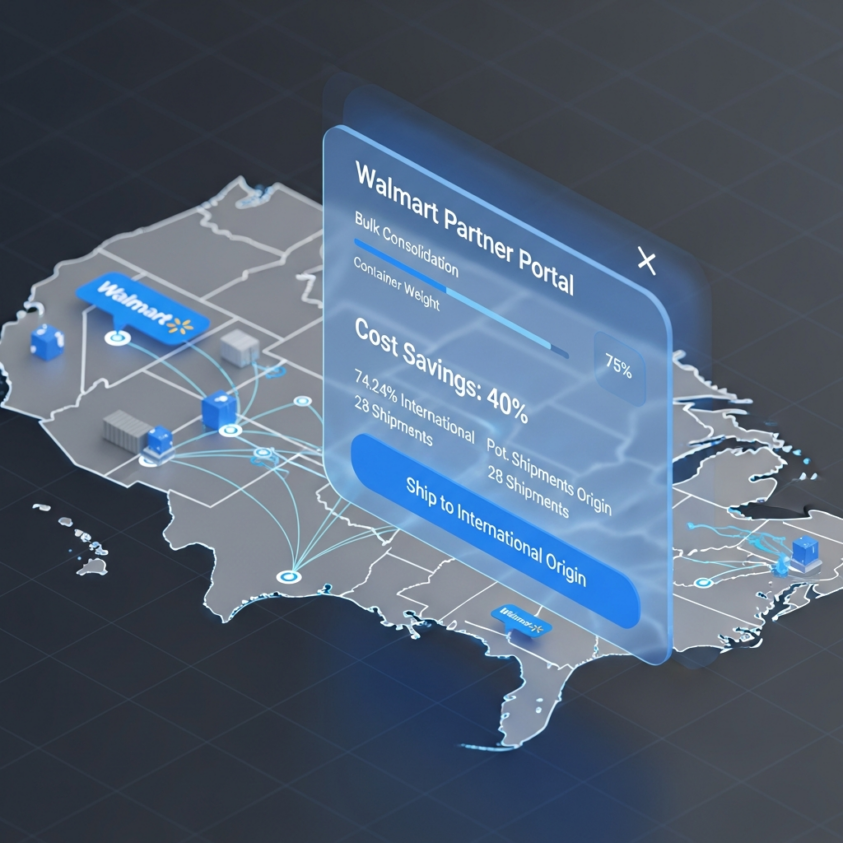
The solution lies in the Walmart Return Service Provider program. Walmart has vetted a series of third-party logistics (3PL) partners specifically designed to act as your domestic return hub. By using these partners, you satisfy Walmart’s policy requirements while gaining a physical beachhead in the U.S. to manage your reverse logistics.
Implement Professional Inspection and Re-commerce
Once a returned item reaches a U.S. warehouse, the goal shifts from logistics to recovery. Top-tier providers offer specialized “re-commerce” services. Instead of the item sitting in a warehouse or being destroyed, it undergoes a formal inspection. You can see how this impacts bottom lines by reviewing relevant e-commerce case studies.
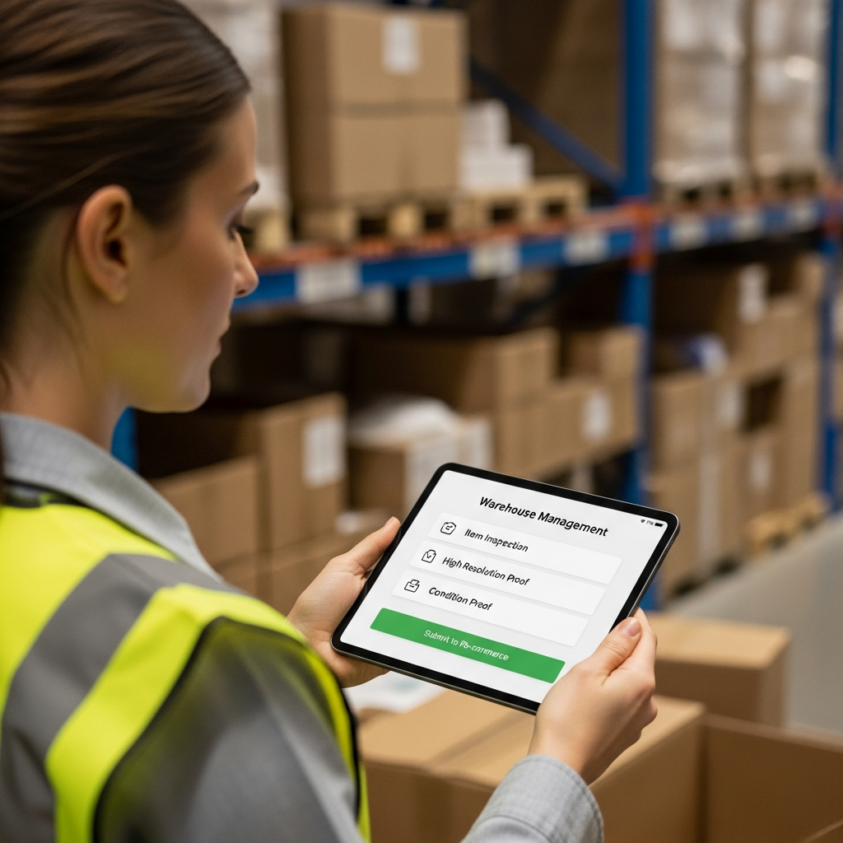
These partners check the item for condition and correctness. If the item is in good shape, it can be reintroduced to the market. Some providers specialize in reselling these items on secondary markets, allowing sellers to recover a portion of the product’s value. Industry standards suggest that for a fee typically ranging between $6 and $8, these providers can process, inspect, and facilitate the resale of high-value items, turning a potential total loss into a managed expense.
Optimize Logistics with Bulk Shipping and Liquidation
For items that cannot be easily resold individually, sellers should look toward consolidation. Rather than paying to ship every single return back to an international headquarters, Return Service Providers can consolidate returns and ship them back to the seller in bulk. This drastically reduces the per-unit shipping cost, aligning with the broader Walmart exports and fulfillment programs.
Furthermore, for items that are damaged or not worth the cost of return shipping, these partners offer destruction or liquidation services. This ensures that your brand is protected and that you are not paying storage fees for “dead” inventory that has no path back to a customer.
Protect Your Revenue with the Seller Center Dispute Process
One of the most critical aspects of the Walmart return ecosystem is the ability to fight back against “return fraud” or customer errors. If a Return Service Provider inspects a package and finds that the customer returned a different item, an empty box, or a significantly damaged product, the seller has a path to recovery. Sellers can master these nuances through specialized e-commerce courses.
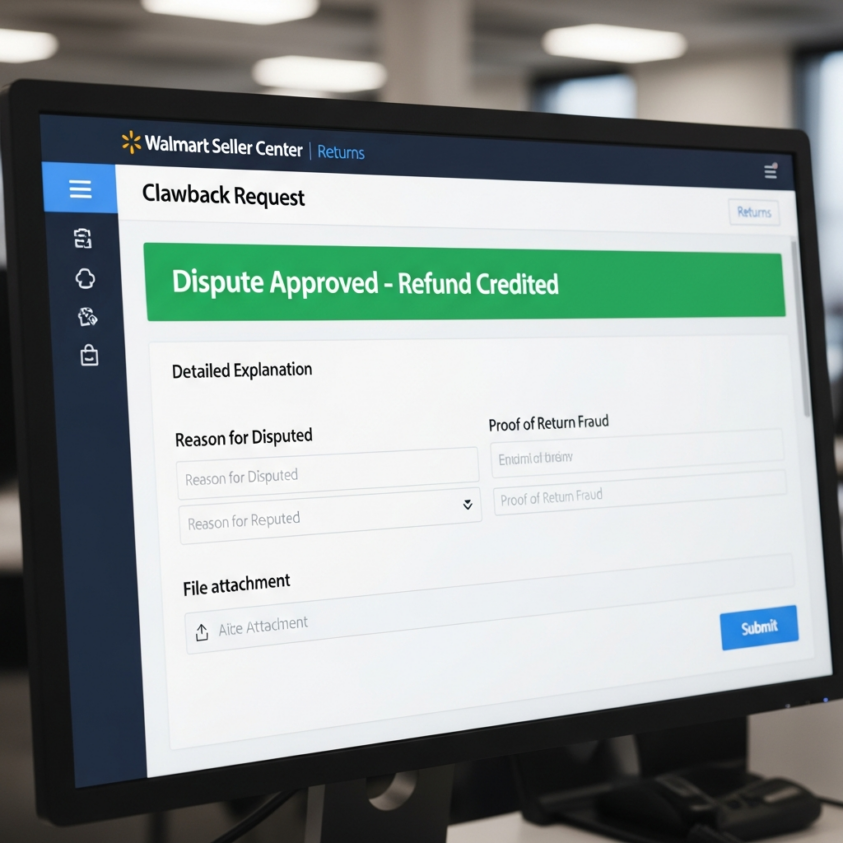
Through the Walmart Seller Center, sellers can initiate a dispute to request a “clawback” of funds. By providing documentation from the inspection process, you can prove the return was invalid and recoup the refund amount. This adds a layer of financial protection that was previously unavailable to international sellers who were forced to use the “Keep It” rule.
By moving away from automated refunds and toward a structured domestic return process, international sellers can finally compete on a level playing field, protecting their margins while providing a reliable return experience for U.S. customers.
Ready to Grow on Amazon?
At EHP Consulting Group, we help sellers rank higher, sell more, and scale faster.
👉 Contact us to audit your Amazon strategy
👉 Learn more about our full Amazon account management services
YouTube Channel Link: EHP Consulting Group on YouTube
TikTok Profile Link: EHP Consulting Group on TikTok
Written By: Jane Camille Olegario
Email: info@ehpconsultinggroup.com
Website: http://www.ehpconsultinggroup.com
Number: 925-293-3313
Date Written: July 6, 2026