 (925) 293-3313
Navigating a Walmart payment suspension can be one of the most stressful experiences for a marketplace seller. Suddenly, the cash flow your business depends on is frozen, and the path to resolving it can seem unclear. The good news is that there is a proven process to tackle this issue head-on. By understanding why it happened and communicating effectively with Walmart, you can work towards getting your payments reinstated.
Here is a step-by-step guide to resolving a Walmart payment suspension and getting your money released.
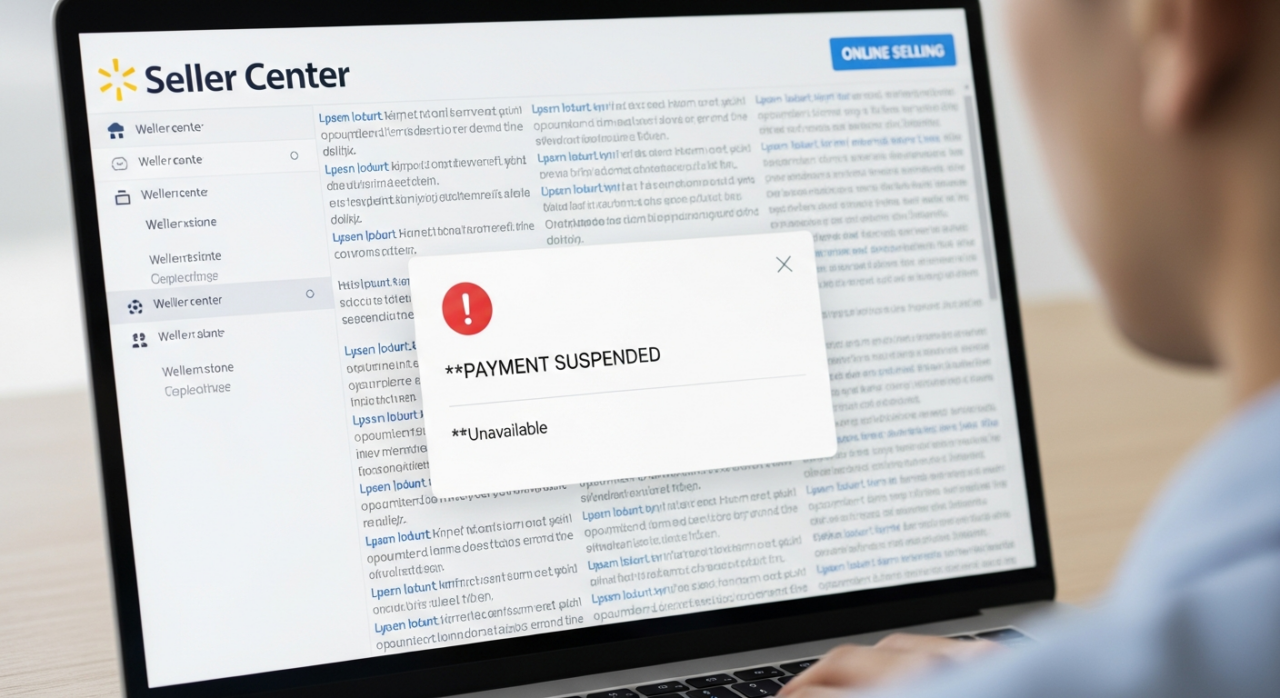
1. Identify the Root Cause
Before you can fix the problem, you need to know what it is. Walmart may suspend payments for several reasons, and your first task is to investigate your account thoroughly. Common triggers include:
- Sudden Sales Spikes: A rapid, unexpected increase in sales volume can trigger an automatic review to rule out fraudulent activity.
- Poor Performance Metrics: Falling short of Walmart’s standards is a primary cause. Scrutinize your Order Defect Rate (ODR), On-Time Delivery Rate, and Valid Tracking Rate. A dip in any of these can lead to a suspension.
- Policy or Product Violations: Selling prohibited items, counterfeit goods, or violating Walmart’s marketplace retailer agreement can result in an immediate hold on your funds.
- Legal or Compliance Issues: Ongoing legal disputes, tax compliance problems, or other official reviews can also lead to a payment freeze.
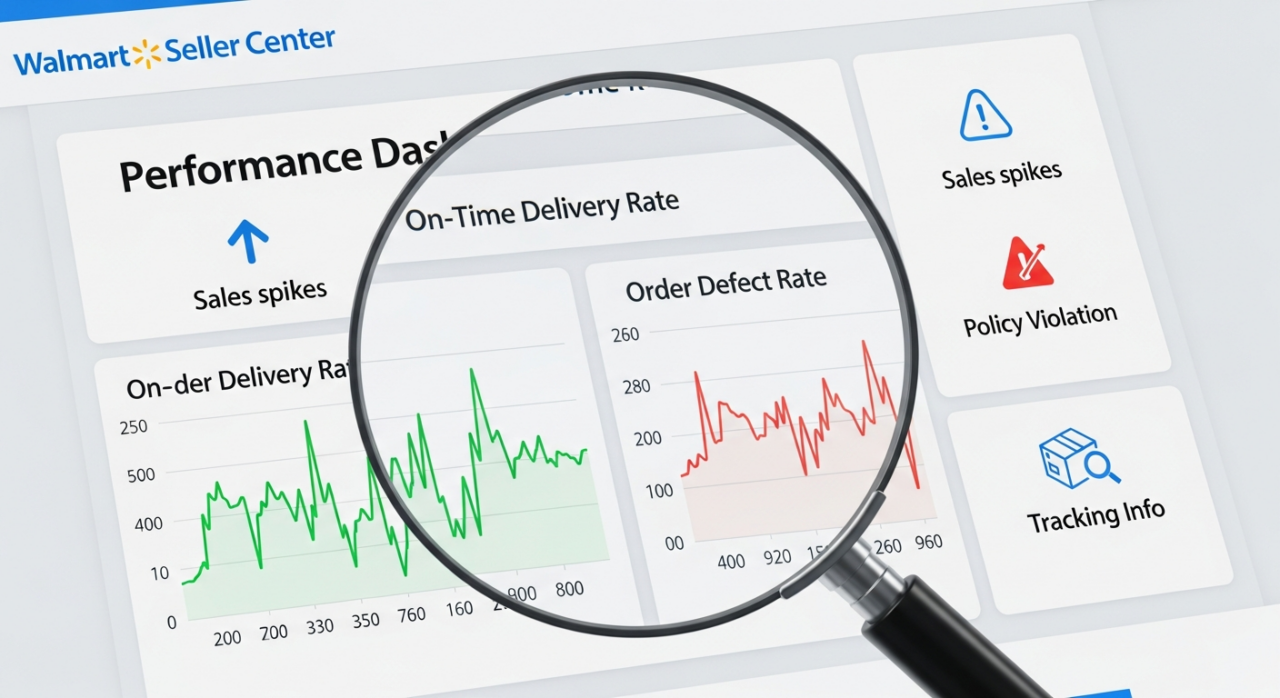
Dig into your Seller Center dashboard, review your performance notifications, and pinpoint the specific issue that triggered the suspension. This knowledge is the foundation of your appeal.
2. Create a Compelling Plan of Action (POA)
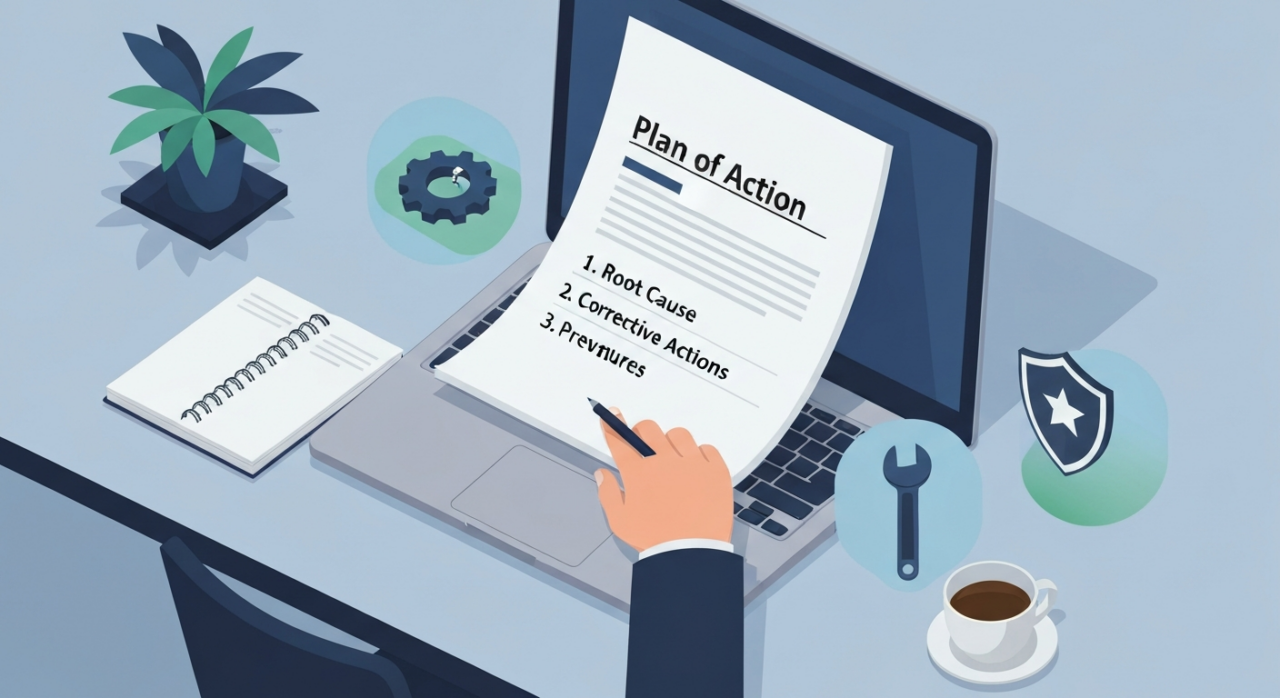
A Plan of Action is a formal business document that shows Walmart you understand the problem, have taken steps to correct it, and have implemented systems to prevent it from happening again. Your POA should be clear, concise (aim for about half a page), and professional.
Structure your POA into three key sections:
- Root Cause: Clearly state the specific issue you identified in Step 1. Take ownership of the problem. For example, “The root cause of our high Order Defect Rate was a delay in shipping confirmations from our new logistics partner.”
- Corrective Actions: Detail the immediate steps you have taken to resolve the issue. For instance, “We have immediately audited all outstanding orders and worked with our logistics partner to update tracking information for every shipment.”
- Preventative Measures: Explain the long-term changes you are making to ensure this problem never reoccurs. Example: “We have implemented a daily, two-step verification process for all shipment tracking uploads and have ended our contract with the underperforming logistics partner.”
If you’re struggling to start, you can use AI tools as a writing assistant. Prompt it by saying, “You are an expert in e-commerce compliance. Write a Plan of Action for a Walmart seller whose payments were suspended due to a high On-Time Delivery Rate.” Use the output as a template and customize it with your specific details.
3. Gather Your Supporting Evidence
Words are good, but proof is better. Your POA will be much more persuasive if it’s backed by concrete evidence. Go through your Seller Central account and take screenshots of every positive metric you can find. Do not include any negative information—your goal is to present the best possible case for your business.
Key pieces of evidence to gather include:
- High on-time shipping and delivery rates.
- Positive customer feedback and reviews.
- Low return or defect rates.
- Proof of valid tracking for recent orders.
- Any correspondence showing you have resolved customer issues effectively.
Compile these screenshots into a single document or save them as individual files to attach to your case. This evidence demonstrates that you are a reliable seller committed to providing a great customer experience.
4. Open a Case and Submit Your Appeal
With your POA and evidence prepared, it’s time to formally submit your appeal. Log in to the Walmart Seller Center and open a new case with the support team.
In your initial message, be direct and professional. State that you have conducted a full audit of your account in response to the payment suspension and believe it may have been unwarranted. Attach your Plan of Action and all the supporting evidence you gathered. This proactive and organized approach shows that you are taking the matter seriously and have already done the work to resolve it.
5. Master the Art of Persistent Follow-Up
Don’t be discouraged if your initial appeal is met with a generic, automated denial. This is a common part of the process. The key is professional persistence.
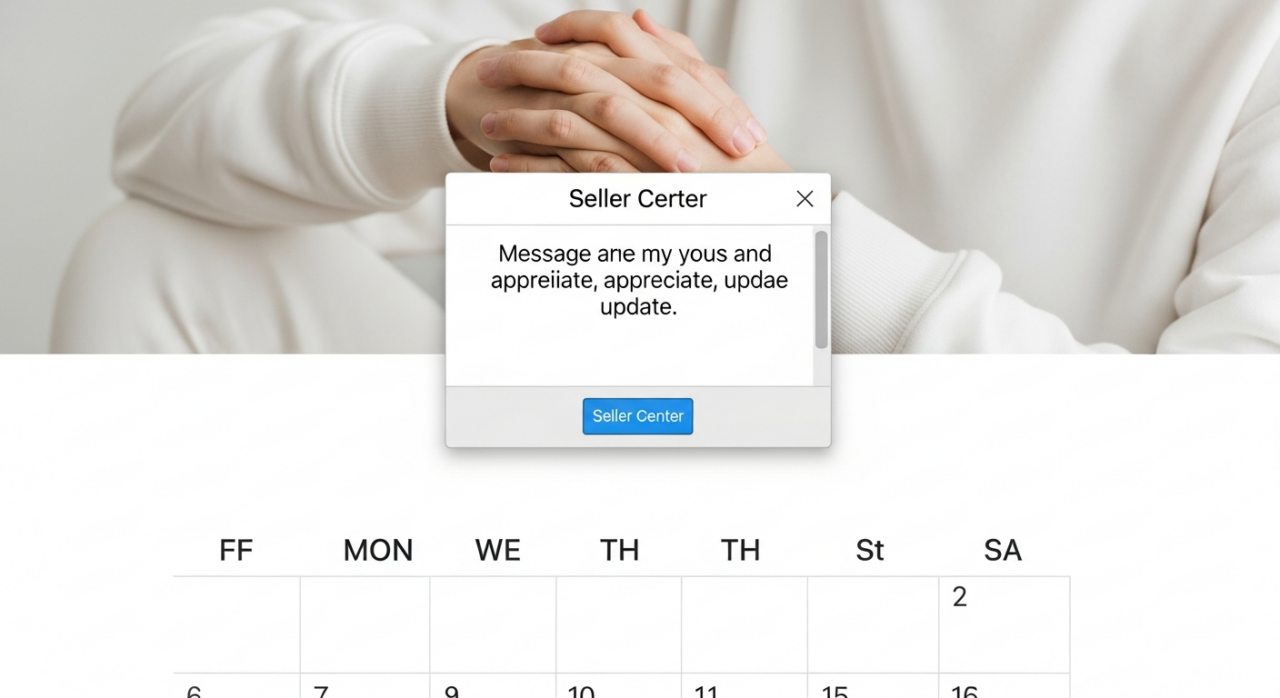
Do not open a new case. Instead, reply within the existing case thread every two to three days. Keep your follow-up messages polite and concise. A simple message like, “Hello, I am following up on this case and would appreciate an update on the status of our payment suspension review,” is sufficient.
The rationale behind this strategy is that open cases often count against an internal support agent’s performance metrics. By keeping your case active and at the top of their queue, you increase the likelihood that it will be escalated to a team member who can properly review your POA and evidence.
6. Emphasize the Business Impact
If your persistent follow-ups aren’t yielding results after a week or two, it’s time to shift your messaging slightly. In your next communication, clearly and respectfully explain the negative impact the payment hold is having on your business operations.
Crucially, frame this in the context of serving Walmart’s customers. Explain that the lack of funds is hindering your ability to restock popular items, manage inventory, and fulfill new orders promptly. This transforms the issue from just your problem into a shared problem that affects the Walmart customer experience. By highlighting this shared interest, you create a greater sense of urgency for Walmart to resolve the hold and get your business back to running smoothly on their platform.
While this guide provides a solid framework, some cases can be particularly complex. If you find yourself stuck or overwhelmed, seeking professional help can be a game-changer. Agencies like EHP Consulting Group offer specialized services to help sellers navigate suspensions. They can assist with everything from identifying the root cause (sometimes starting with a free listing audit to spot underlying issues) to communicating with Walmart. Don’t hesitate to contact us for personalized support.
Need Help Growing Your Sales?
We are here to help you scale.
Stay ahead with the latest tips and trends in online selling:
🎥 YouTube – EHP Consulting Group
📱 EHP Consulting Group
Written By: Janine Alaban
Email: info@ehpconsultinggroup.com
Website: http://www.ehpconsultinggroup.com
Number: 925-293-3313
Date Written: April 29, 2026