 (925) 293-3313
You’ve poured countless hours into creating the perfect Amazon product listing. You’ve taken professional photos, written compelling copy, and earned valuable customer reviews. Then, one day, you see it: another seller has attached themselves to your listing, often selling a cheap knock-off and undercutting your price. Your Buy Box is gone, your sales plummet, and negative reviews about a product that isn’t even yours start rolling in. This is Amazon listing hijacking, and for sellers not enrolled in Brand Registry, it can feel like a nightmare. This issue is a common complaint across Amazon’s global seller forums.
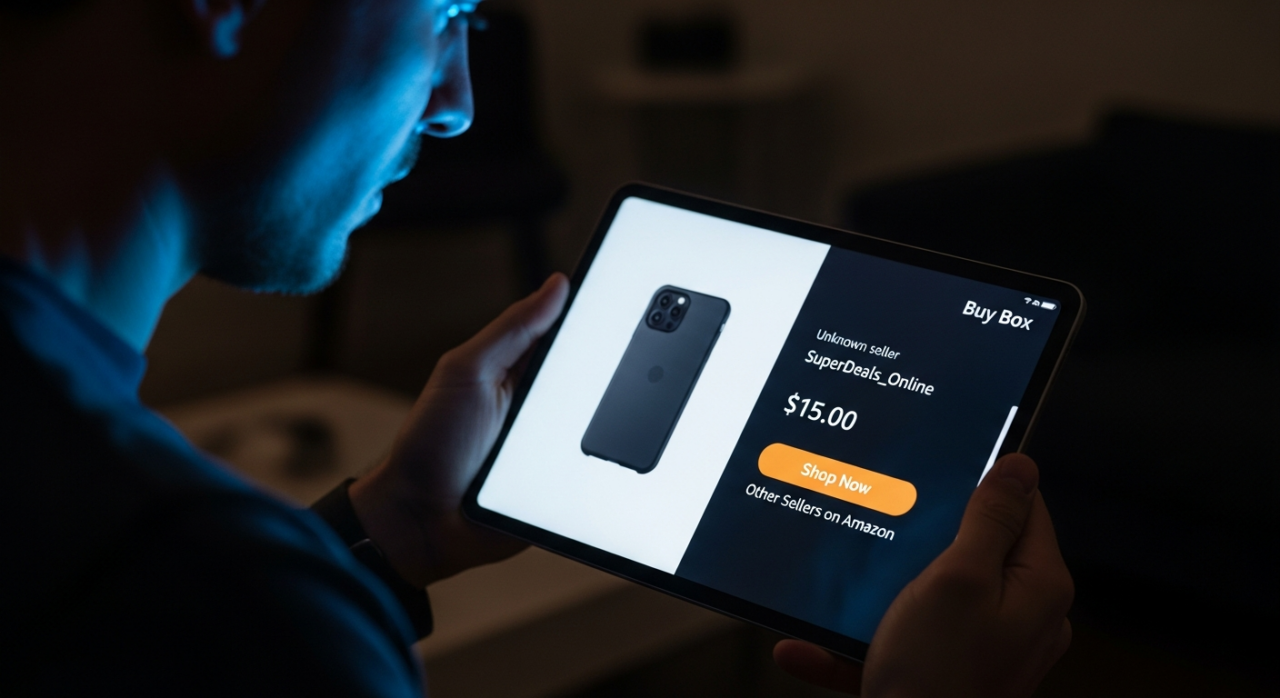
But you are not powerless. While Brand Registry is the ultimate shield, there is a clear, step-by-step process you can follow to fight back and reclaim your listing. Here’s how to do it.
1. Document Everything and Identify the Violation
Before you can act, you must become a detective. Your first move is to gather irrefutable evidence that a violation is occurring. Don’t delay—the hijacker could change their store name or disappear, so documentation is key. Using a monitoring tool can also help you catch these changes quickly.
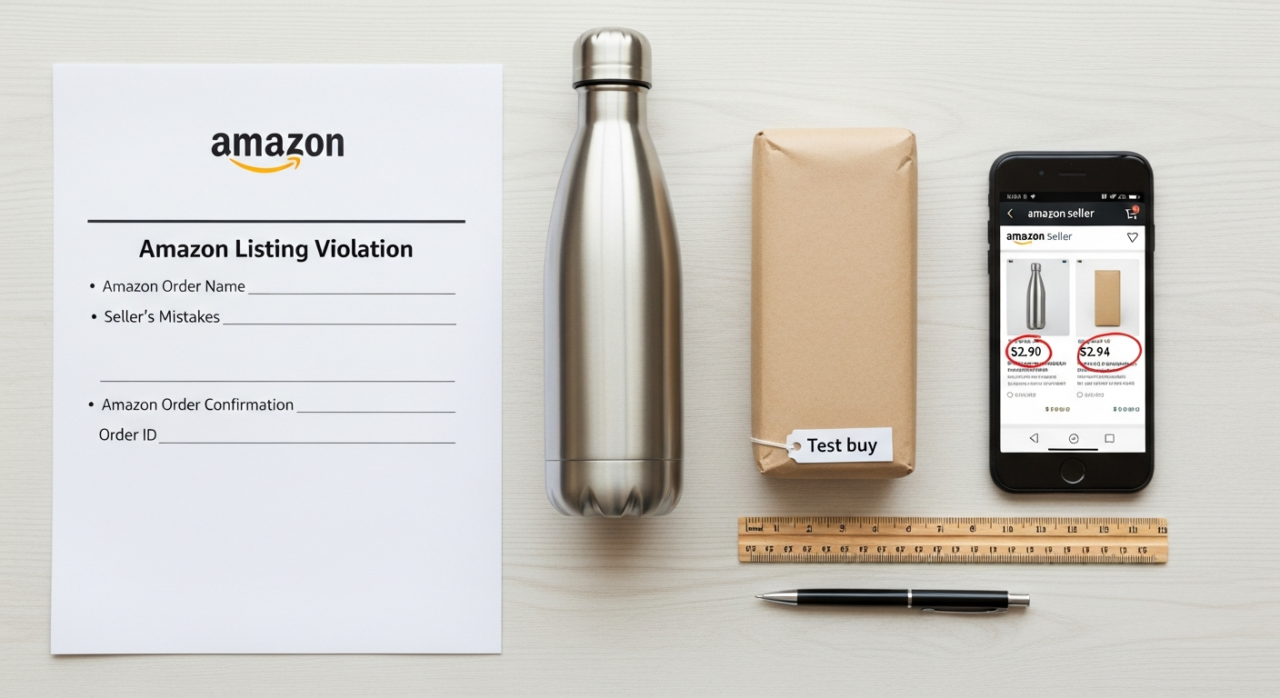
Start by taking clear screenshots of everything. Capture the hijacked listing page, making sure to include the other seller’s name, their price, and any unauthorized changes they may have made to your product title, bullet points, or description. Compare these to screenshots of your original, correct listing.
Next, pinpoint the exact violation. This is crucial for your report to Amazon. Is it:
- Copyright Infringement? Are they using your original product photos or the descriptive text you wrote? If you created that content, you own the copyright, and its unauthorized use is an infringement.
- Trademark Infringement? Even without federal registration, if you use a unique brand name or logo consistently in your business, you have “common law” trademark rights. If the hijacker is using your brand name on their product or packaging, it’s a violation.
- A Counterfeit Product? Is the hijacker selling a product that is fundamentally different, of lower quality, or a complete fake under your product’s name? This is the most common form of hijacking.
2. Conduct a Strategic “Test Buy”
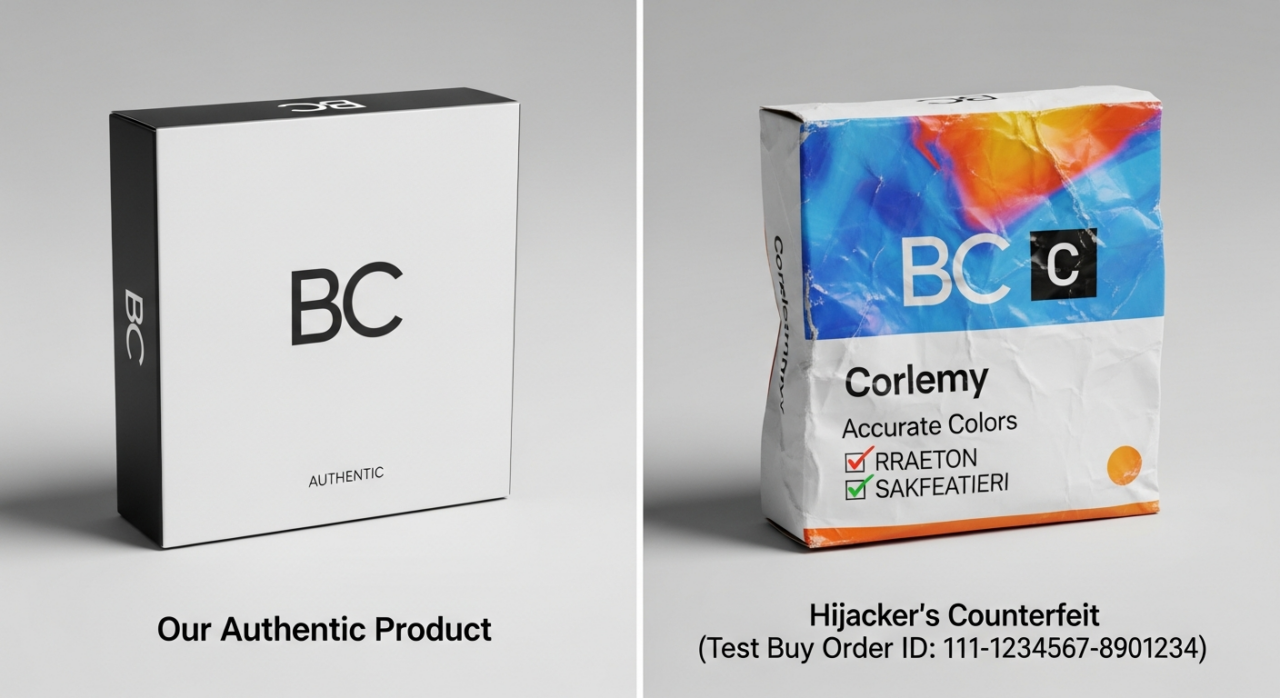
To prove the product is counterfeit or different, you need physical proof. Amazon almost always requires this. A “test buy” is your single most powerful piece of evidence. It involves purchasing the product directly from the hijacker.
Here’s the process:
- Using a personal Amazon buyer account (never your seller account), purchase the product from the hijacker’s offer on your listing.
- When the item arrives, your investigation continues. Take detailed photos and videos comparing their product side-by-side with your authentic one.
- Highlight every single difference: packaging quality, color discrepancies, missing logos, cheaper materials, incorrect dimensions, or any other inconsistencies.
- Keep the order ID from this purchase handy—you will need it for your report.
A word of caution: Do not leave a public review or seller feedback on the hijacker’s account. This can be seen as a violation of Amazon’s policies and could jeopardize your case. The test buy is for evidence gathering, not for public warnings.
3. File an Official Infringement Report with Amazon
With your evidence locker full—screenshots, a test buy order ID, and comparative photos—it’s time to formally report the violation. For non-brand registered sellers, the primary tool is Amazon’s “Report Infringement” form.
When filling out the form, be clear, concise, and professional. You will need to provide the product ASIN, specify the type of infringement (copyright, trademark, or counterfeit), and write a detailed description of the violation. This is where your evidence comes into play. In your description, state that you have conducted a test buy (and provide the order ID) and found the product to be materially different or counterfeit. Explain the specific differences you documented in your photos. Attach your compelling side-by-side comparison images as proof.
While you can also open a case with Seller Support, they will likely direct you to this same form for any intellectual property claims. Using the official infringement form from the start is the most direct path to a resolution. Successfully navigating this process can be complex, but it yields results. If you need expert assistance with this process, our team offers specialized services to handle infringement claims.
4. Send a Professional Cease and Desist Letter
As an optional or concurrent step, you can send a direct message to the hijacker through Amazon’s seller-to-seller messaging system. This is known as a “cease and desist” letter. Sometimes, the fear of being reported to Amazon is enough to make a hijacker retreat.
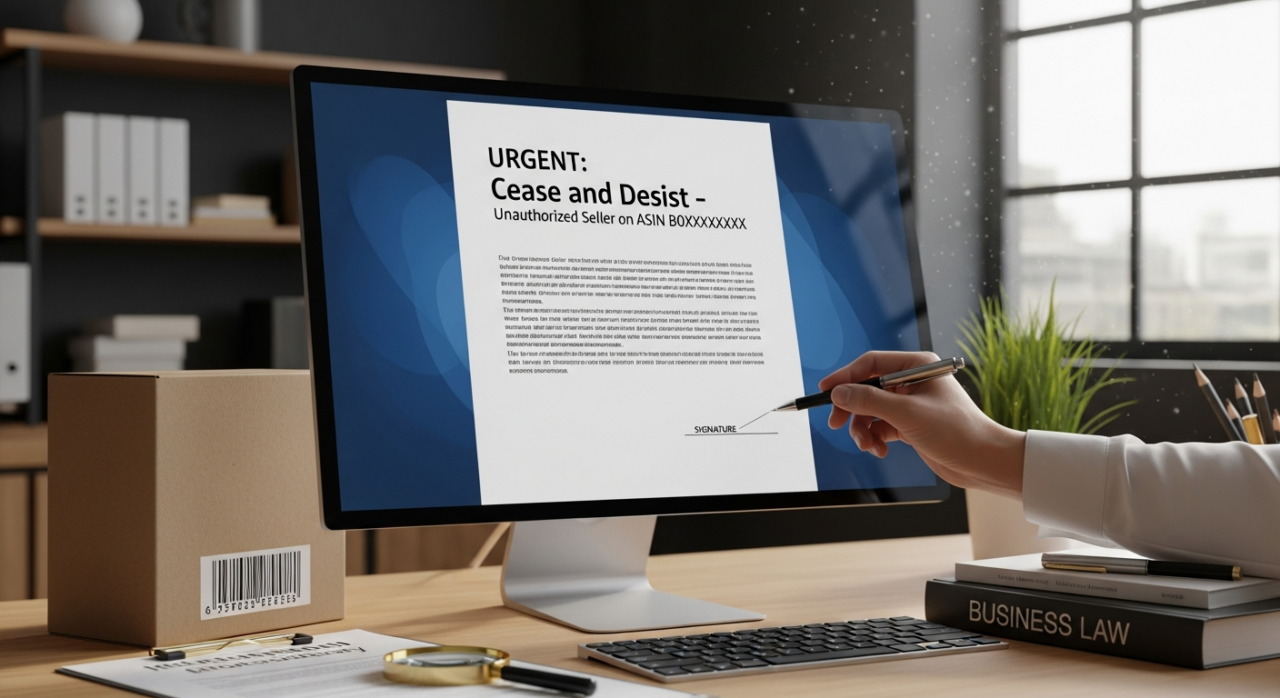
Keep the message firm, professional, and non-threatening. A good letter should:
- State that you are the creator of the listing and the owner of the brand.
- Inform them that they are not an authorized reseller of your product.
- Mention that the product they are selling is counterfeit or materially different from the one described on the listing.
- Demand that they remove their offer from the ASIN within a specific timeframe (e.g., 24 hours).
- Clearly state that if they fail to comply, you will report them to Amazon for intellectual property infringement, which can lead to the suspension of their selling privileges.
Many hijackers are simply looking for an easy target. A professional warning that shows you know the rules and are prepared to enforce them can often solve the problem quickly. For help drafting a professional and effective letter, don’t hesitate to contact us.
The Ultimate Solution: Prevention
Winning the battle against a hijacker is a relief, but winning the war means ensuring it never happens again. Before hijackers can even strike, it’s wise to ensure your listing is optimized for defense. A free listing audit can help identify potential vulnerabilities.
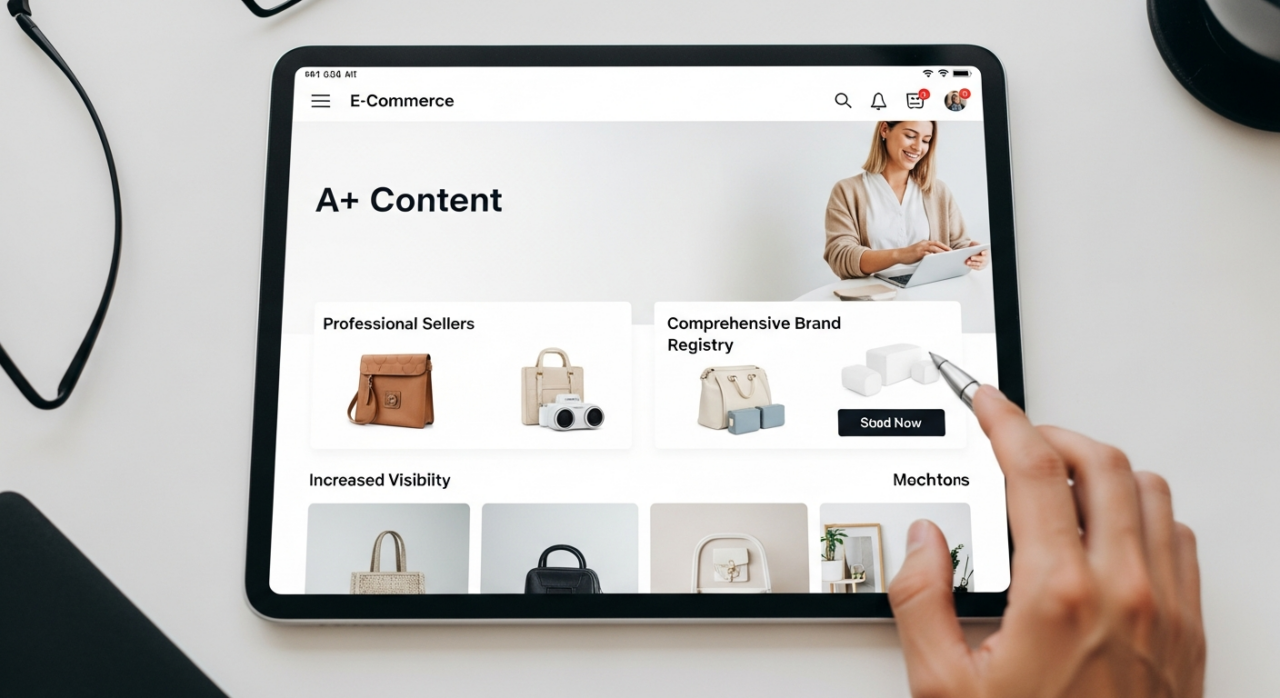
The single most effective way to protect your brand and listings on Amazon is to enroll in the Amazon Brand Registry. This requires obtaining a registered trademark for your brand name or logo.
Once you are brand registered, you gain access to a powerful suite of tools designed to protect your intellectual property. You have more control over your listings, and the process of removing hijackers and counterfeiters becomes dramatically faster and more effective. While fighting hijackers without Brand Registry is possible, consider it a temporary solution. Your long-term strategy should always be to invest in a trademark and secure your brand’s future on the platform. Furthering your education with advanced courses can also empower you to build a more defensible brand..
YouTube Channel Link: EHP Consulting Group on YouTube
TikTok Profile Link: EHP Consulting Group on TikTok
Written By: Jhan Rose Magbanua
Email: info@ehpconsultinggroup.com
Website: http://www.ehpconsultinggroup.com
Number: 925-293-3313
Date Written: May 31, 2026