 (925) 293-3313
In the competitive landscape of Amazon, standing out requires more than just a great product; it requires a superior presentation. Amazon A+ Content has become the gold standard for Brand Registered sellers looking to transform their product detail pages into high-converting storefronts. However, there is a significant gap between simply having A+ Content and utilizing it strategically to drive sales. To maximize your return on investment, you must understand the technical realities of how Amazon’s algorithm and mobile interface actually work.
Leveraging the Indirect SEO Power of A+ Content
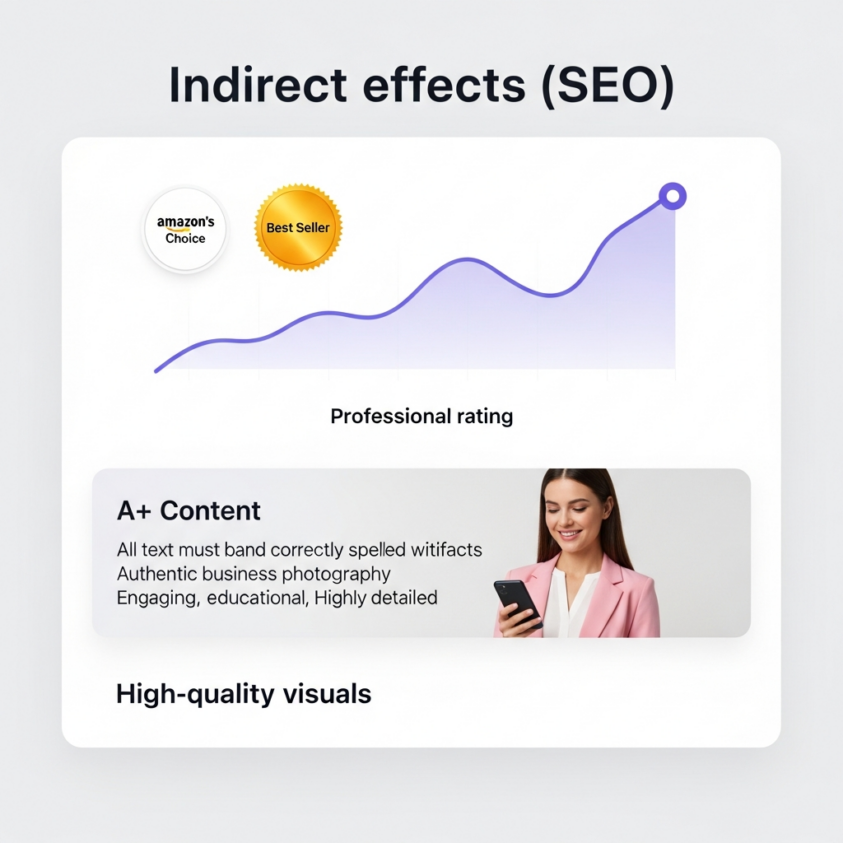
A common misconception among sellers is that stuffing A+ Content with keywords will directly boost their organic search ranking on Amazon. Technically, Amazon’s A9 and A10 algorithms do not index the text within A+ modules for internal search results. However, this does not mean A+ Content is useless for SEO.
First, the text within your A+ modules is indexed by external search engines like Google, which can drive valuable “off-Amazon” traffic to your listing. Second, Amazon’s ranking system is heavily dependent on sales velocity and conversion rates (CVR). Because utilizing a guide to A+ Amazon content that sells is proven to increase CVR by 3% to 10%, it creates an “indirect indexing” effect. As more customers convert after viewing your content, your sales velocity increases, which signals to Amazon that your product deserves a spot on page one.
Designing for the “Mobile-First” Reality

Data from recent shopping cycles indicates that approximately 70% of Amazon shoppers are now completing their purchases on mobile devices. During high-traffic events like Prime Day, this number can climb even higher. This shift in consumer behavior means that a “desktop-first” design approach is no longer viable when enhancing your Amazon listings.
When creating your A+ Content, you must account for how Amazon’s responsive design handles your assets. On mobile, Amazon automatically stacks modules vertically to fit the screen. If your design relies on a wide, horizontal layout to convey a single message, that message may be lost or disjointed when viewed on a smartphone. Prioritizing a vertical flow ensures that the mobile shopper’s experience is seamless and persuasive.
Solving the Mobile Zoom Limitation
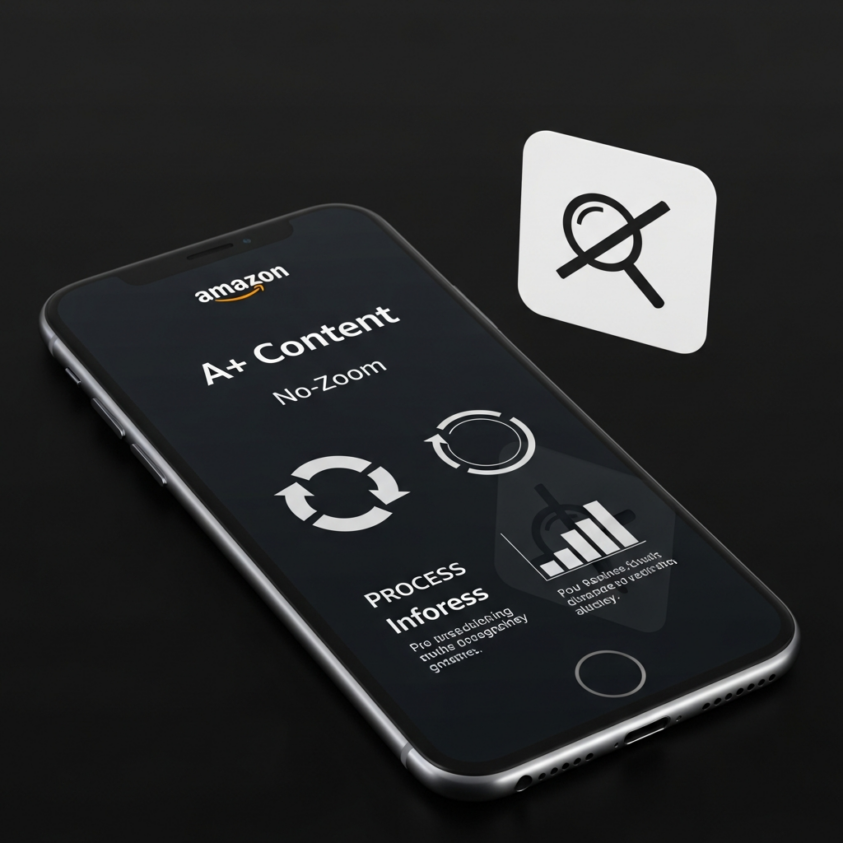
One of the most critical technical constraints of the Amazon Shopping app is the lack of “pinch-to-zoom” functionality within the A+ Content section. While users can zoom in on your main image gallery, the A+ section remains static. This creates a major hurdle for sellers who “bake” small text directly into their images.
To ensure your content is legible, you must avoid creating infographics with tiny font sizes. If a customer cannot read your value propositions without zooming, they will likely keep scrolling. The most effective strategy is to use Amazon’s native text modules where possible or ensure that any text included in an image is large, high-contrast, and bold enough to be read on a standard smartphone screen. For those looking for expert assistance, Amazon management services can help refine these technical assets.
Transitioning to Premium A+ for Rich Media
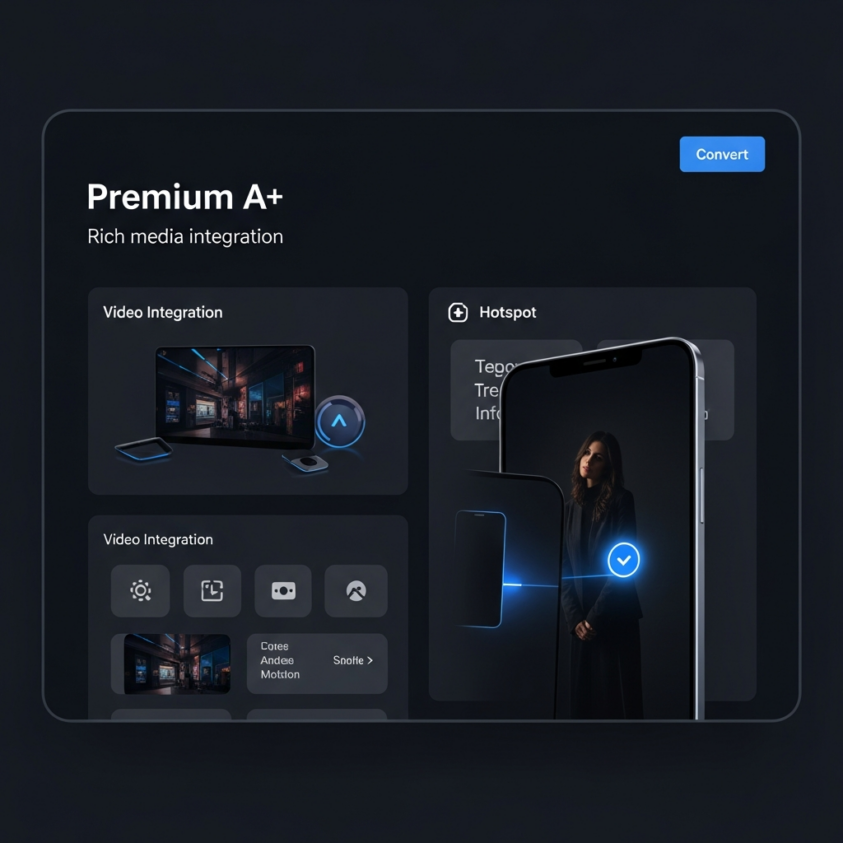
For brand owners who meet specific criteria—such as having a Brand Story published on all active ASINs—Premium A+ Content offers a significant upgrade over Standard modules. The primary advantage of the Premium tier is the ability to integrate video directly into the listing description.
Beyond video, Premium A+ includes interactive hotspot modules, navigation carousels, and much larger image layouts. These features are designed to keep the customer on your page longer, reducing the “bounce rate” to a competitor’s listing. By using video modules to demonstrate product functionality or carousels to showcase a full product line, you provide an immersive shopping experience that static images simply cannot match.
Implementing the 70/30 Visual-to-Text Ratio
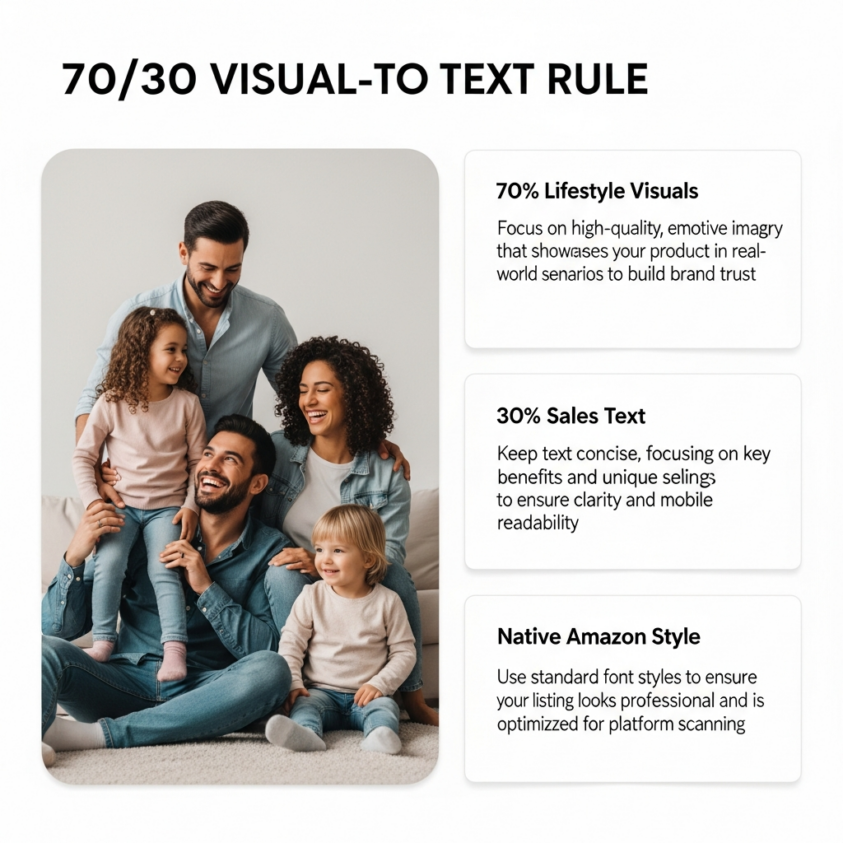
While Amazon provides plenty of space for technical specifications, consumer psychology suggests that “less is more” when it comes to text. Industry best practices recommend a “70/30 Rule”: 70% of your A+ Content should be visual imagery, while only 30% should be dedicated to text. Many successful brands highlighted in e-commerce case studies follow this strict visual hierarchy to maintain engagement.
Mobile shoppers are “scanners,” not readers. They look for visual cues that solve their problems or fulfill their desires. This is where emotional branding becomes essential. Incorporating “lifestyle” imagery—specifically images featuring happy people interacting with your product—can significantly increase brand affinity. Documented marketing research shows that human faces displaying positive emotions help consumers process information more effectively and build a psychological connection with the brand, making them more likely to click the “Add to Cart” button. To master these advanced techniques, consider exploring specialized Amazon training courses or partnering with the experts at EHP Consulting Group to scale your brand effectively.
Ready to Grow on Amazon?
At EHP Consulting Group, we help sellers rank higher, sell more, and scale faster.
👉 Contact us to audit your Amazon strategy
👉 Learn more about our full Amazon account management services
YouTube Channel Link: EHP Consulting Group on YouTube
TikTok Profile Link: EHP Consulting Group on TikTok
Written By: Jane Camille Olegario
Email: info@ehpconsultinggroup.com
Website: http://www.ehpconsultinggroup.com
Number: 925-293-3313
Date Written: June 1, 2026