 (925) 293-3313
Navigating Walmart Marketplace and Proposition 65: A Seller’s Guide to Avoiding Costly Lawsuits
Selling on Walmart Marketplace opens your business to a massive audience, but it also comes with significant responsibilities. One of the most critical and potentially costly is compliance with California’s Proposition 65. If you sell to customers in California, ignoring this regulation isn’t an option; it’s a direct threat to your bottom line. A single oversight could trigger lawsuits with penalties and legal fees that can cripple a thriving business.
Understanding Prop 65 is the first step toward protecting yourself. Officially known as the Safe Drinking Water and Toxic Enforcement Act, it requires businesses to provide “clear and reasonable” warnings before knowingly exposing Californians to any of the 900+ chemicals known to the state to cause cancer or reproductive harm. For a Walmart seller, this means one thing: if your product contains a listed chemical, you must provide the proper warning. Failure to do so can have severe consequences.
1. Understand the Staggering Financial Risks
The penalties for non-compliance are designed to be punitive. A violation can result in a civil penalty of up to $2,500 per violation, per day. Imagine selling 10 units of a non-compliant product into California over a week; the potential fines can escalate into tens of thousands of dollars almost instantly.

But the official penalties are only the beginning of the financial nightmare. The real danger for many sellers lies in the legal costs. Defending against a Prop 65 lawsuit is incredibly expensive, with attorney fees easily reaching $25,000 to $50,000 or more. Even if you believe you are in the right, the burden of proof can shift to you, making for a long and costly court battle. Because of this, many sellers are forced into settlements to avoid the risk of even higher litigation costs. These settlements, which can still cost thousands, become the most financially viable option, regardless of the case’s merit.
2. Know Your Responsibility: The Buck Stops with You
You might think that since you’re selling on Walmart’s platform, Walmart would handle these legal issues. This is a dangerous and incorrect assumption. Walmart’s Marketplace policies are crystal clear: as a third-party seller, you are solely responsible for ensuring your products comply with all local, state, and federal laws, including Proposition 65.

Furthermore, your seller agreement almost certainly contains an indemnification clause. This legal language means that if Walmart gets sued over a product you listed, they can hold you liable for the entire mess. You will be required to cover their legal fees, any settlement amounts, and all resulting penalties. There are numerous reports from sellers who have been pulled into lawsuits filed against Walmart and were left to foot the entire bill. When it comes to Prop 65, you are on your own.
3. Navigate the Unique Enforcement Landscape
Unlike many regulations enforced only by government agencies, Proposition 65 has a powerful private enforcement mechanism. While the California Attorney General and district attorneys can bring cases, so can private parties—individuals, advocacy groups, and law firms—acting “in the public interest.”

These private enforcers, often called “bounty hunters,” are financially incentivized to find non-compliant products. They are entitled to 25% of any civil penalties collected and can also recover their attorney’s fees from the defendant. This has created a cottage industry of litigation where law firms actively search for products without the proper warnings to initiate lawsuits. Your product doesn’t have to cause a major public outcry to be targeted; it just needs to be non-compliant.
4. Implement a Proactive Compliance Strategy
Reactive scrambling after receiving a notice of violation is a recipe for financial disaster. The only way to protect your business is to be proactive.
First, conduct a thorough audit of your entire product catalog. You must know what is in the products you sell. This means contacting your suppliers and manufacturers to get detailed information about the materials and chemicals used. Do not accept vague assurances; ask for specific data regarding chemicals on the Proposition 65 list.
Second, if a product contains a listed chemical, you must provide the correct warning. The warning must be “clear and reasonable” and displayed in a way that the consumer sees it before the point of purchase. Within Walmart’s seller platform, you must correctly input the Prop 65 warning information for each relevant product listing so it displays properly to California customers.
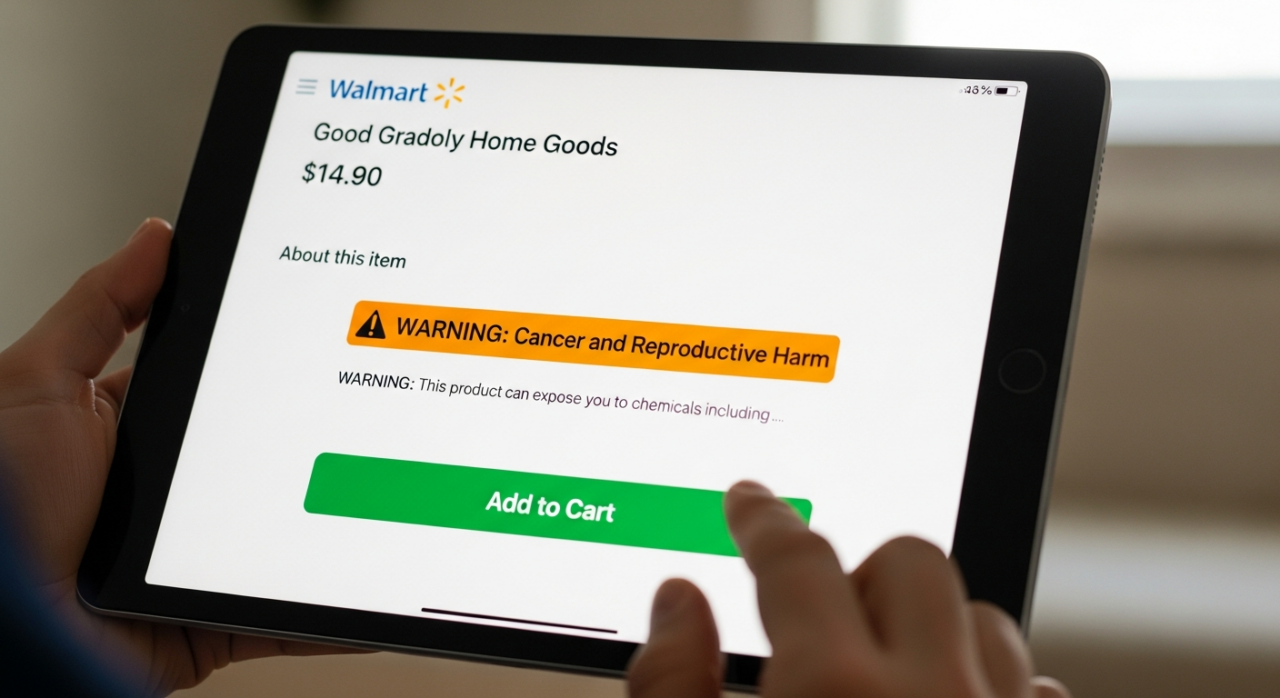
Finally, stay informed. The list of chemicals regulated under Proposition 65 is updated periodically. Make it a regular practice to review the official list and ensure your product information remains accurate and compliant. Your diligence is your best defense against costly legal action. Protecting your business from Proposition 65 requires a commitment to understanding your products and your legal obligations.

Need Help Growing Your Sales?
We are here to help you scale.
Written By: Liezel Felisilda
📺 YouTube: EHP Consulting Group on YouTube
🎵 TikTok: EHP Consulting Group on TikTok
Email: info@ehpconsultinggroup.com
Website: www.ehpconsultinggroup.com
Number: 925-293-3313
Date Written: July 24, 2026