 (925) 293-3313
Navigating the Amazon FBA landscape in 2026 requires more than just a great product; it demands a meticulous understanding of the costs that can erode your profit margins. While standard fulfillment and referral fees are well-known, a host of situational and inventory-related charges can catch sellers by surprise. To protect your bottom line, it’s crucial to treat fee management as a core business strategy.
1. Price for Profit by Mastering Core Fees
Before you can worry about “hidden” costs, you must have a rock-solid grasp of the two fundamental fees that apply to nearly every sale. These are the non-negotiable costs of doing business on the platform and must be baked into your pricing from day one.
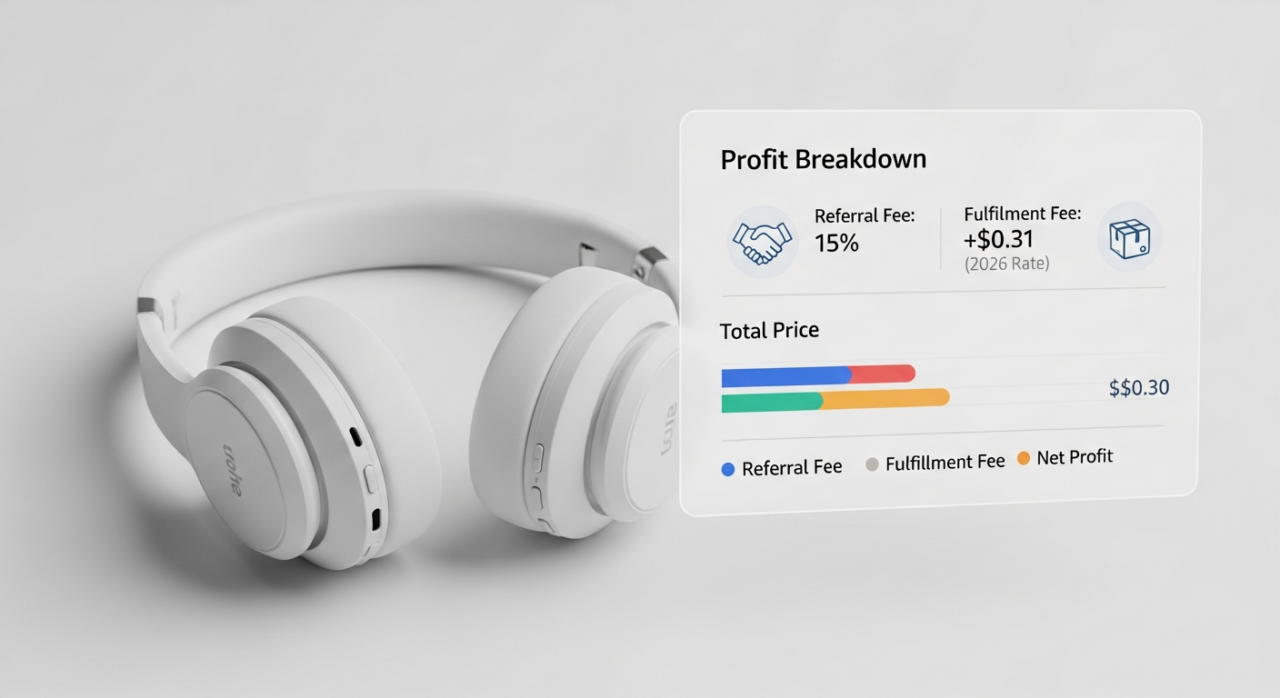
The Referral Fee is Amazon’s commission for connecting you with a customer. It’s a percentage of your product’s total sales price, typically falling between 8% and 15%, depending on the category.
The Fulfillment Fee covers the cost of Amazon’s team picking, packing, and shipping your product. This fee is calculated based on your item’s size and weight. In 2026, sellers will see an average increase of $0.08 per unit. This impact varies by size and price; small standard-size products under $50 will increase by $0.25, while products over $50 will see a higher average increase of $0.31 per unit. Accurately calculating these two core fees is the baseline for ensuring any sale is a profitable one.
2. Avoid Penalties with Smart Inventory Management
The most significant “hidden” fees are often penalties related to how you manage your inventory. Amazon’s fulfillment centers are not free long-term warehouses, and their fee structure is designed to encourage efficient stock turnover.
First is the Monthly Inventory Storage Fee, calculated per cubic foot. For 2026, standard-size items will cost $0.78 per cubic foot from January to September, but this jumps to $1.02 during the critical Q4 peak season.
If your inventory sits too long, you’ll be hit with an Aged Inventory Surcharge. Items stored for 12-15 months will incur a charge of $0.30 per unit per month. After 15 months, this escalates significantly to the greater of $0.35 per unit or a hefty $7.90 per cubic foot.
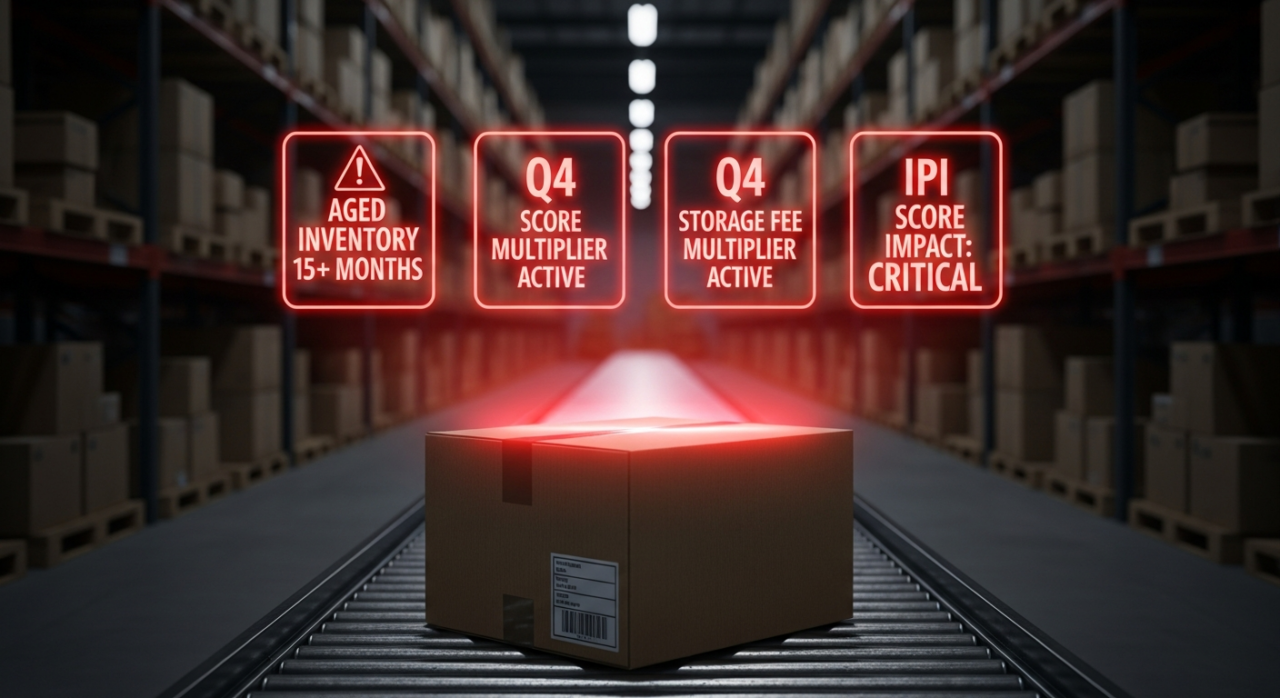
Furthermore, exceeding your allocated space results in a punitive Inventory Storage Overage Fee of up to $10 per cubic foot. On the flip side, the Low-Inventory-Level Fee penalizes sellers for not keeping enough stock of popular items, as this hurts the customer experience. The key is to find the sweet spot: holding enough inventory to meet demand without incurring long-term storage or overage penalties.

3. Perfect Your Inbound Shipment Process
How you send your inventory to Amazon can have a direct impact on your costs. Errors and inefficiencies in the inbound process will result in immediate, and entirely avoidable, fees.
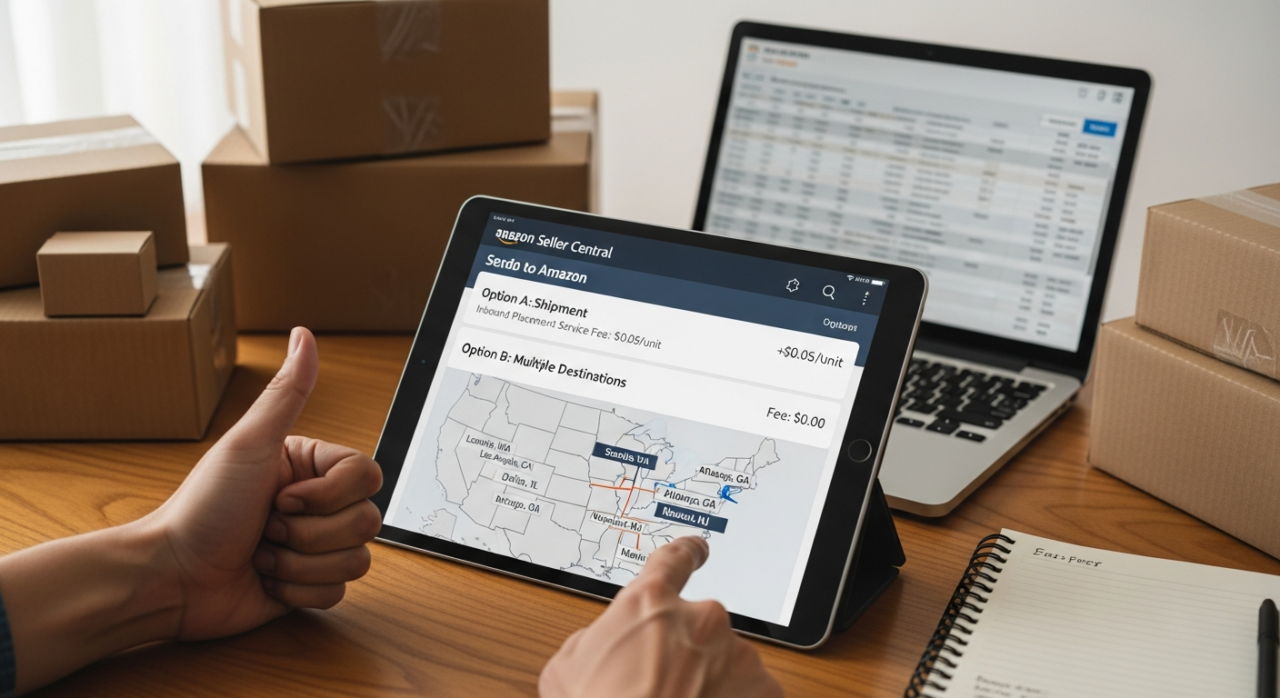
When creating a shipping plan, you’ll encounter the Inbound Placement Service Fee. If you opt for the convenience of sending all your inventory to a single fulfillment center, Amazon charges this fee to cover its cost of distributing it across the network. For 2026, this fee increased by an average of $0.05 per unit for minimal-split shipments. You can avoid this fee entirely by choosing to send your inventory to multiple locations as directed by Amazon.
Carelessness leads to Unplanned Services Fees. If your products arrive without proper FNSKU labels or other required prep, Amazon will perform the service for you at a premium, costing anywhere from $0.40 to $1.80 per unit. Similarly, the Inbound Defect Fee targets shipments that are misrouted or abandoned, averaging around $0.60 per unit. Precision and adherence to Amazon’s shipping guidelines are your best defense against these charges.
4. Factor in Product-Specific & Post-Sale Costs
The final layer of fees to consider is those related to specific product types and post-sale activities like returns and removals.
For categories with high return rates, like apparel and shoes, Amazon applies a Returns Processing Fee for each customer return. This fee is equivalent to the original fulfillment fee you paid for that item, effectively doubling your fulfillment cost on that transaction.
When you need to clear out old or unsellable inventory, you must pay Removal and Disposal Order Fees. Having a standard-size item under half a pound returned to you or disposed of will cost $1.04 per unit. This is a necessary cost for managing the lifecycle of your inventory and avoiding long-term storage surcharges.
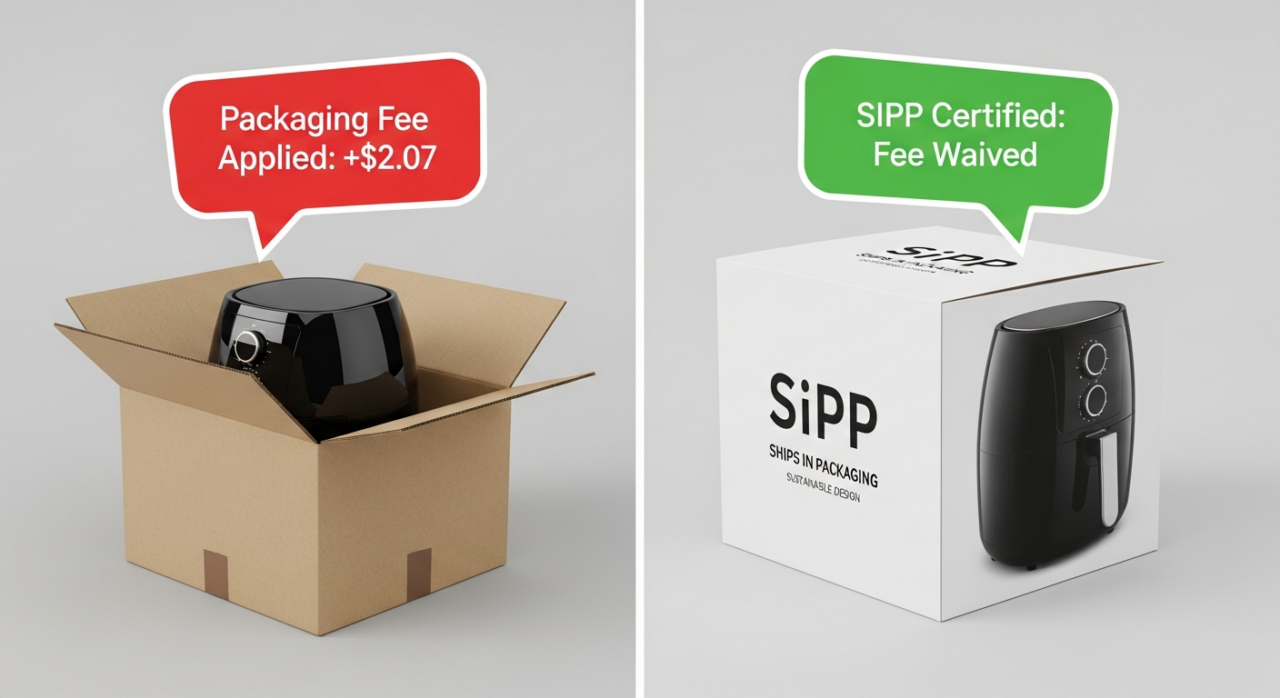
Finally, a new Packaging Fee in 2026 targets bulky items that are not certified to Ship in Product Packaging (SIPP). If your larger product requires an Amazon overbox, you will be charged an additional fee averaging $2.07 per unit. This incentivizes sellers to optimize their packaging for efficiency, a strategy that can now yield direct cost savings..
Need Help Growing Your Sales?
We are here to help you scale.
YouTube Channel Link: EHP Consulting Group on YouTube
TikTok Profile Link: EHP Consulting Group on TikTok
Written By: Ahzel P. Miral
Email: [email protected]
Website: http://www.ehpconsultinggroup.com
Number: 925-293-3313
Date Written: April 30, 2026