 (925) 293-3313
The landscape of Amazon advertising is shifting toward a “basics-first” philosophy. As we move into 2026, the most successful sellers aren’t those with the largest budgets, but those who treat PPC as an amplifier for an already optimized presence. Before you spend a single dollar on clicks, you must ensure your foundation is unshakeable. This means your listing, including the title, bullet points, A+ content, and high-resolution <imagery, must be conversion-ready. Advertising a subpar listing is simply a fast way to drain your capital, a concept that EHP Consulting Group emphasizes for all brand launches.
Master Your Listing Prerequisites Before Launching
Successful Amazon PPC begins long before you enter the Campaign Manager. The “listing-first” mandate requires a total audit of your digital storefront. High-quality images and compelling A+ Content are no longer optional; they are the baseline for entry. Your copy must be not only keyword-rich for the algorithm but also persuasive to the human reader. If your conversion rate is low due to poor listing quality, your Advertising Cost of Sales (ACOS) will remain high regardless of how much you optimize your bids. Professional e-commerce services can help ensure your pages are optimized for maximum conversion before you trigger ad spend.
Leverage Amazon Vine for Social Proof
Reviews remain the lifeblood of conversion on Amazon. For new product launches or revitalizing stagnant listings, the Amazon Vine program is the essential tool for generating legitimate, high-quality feedback. Unlike the “grey hat” tactics of the past, Vine provides a compliant path to obtaining those first critical reviews. Since conversion rate directly impacts your ad rank and CPC, securing these initial “Vine Voices” reviews is a prerequisite for a profitable 2026 ad strategy. You can see the results of this foundational approach in our latest case studies.
Harness Data Through Sponsored Ads Reports
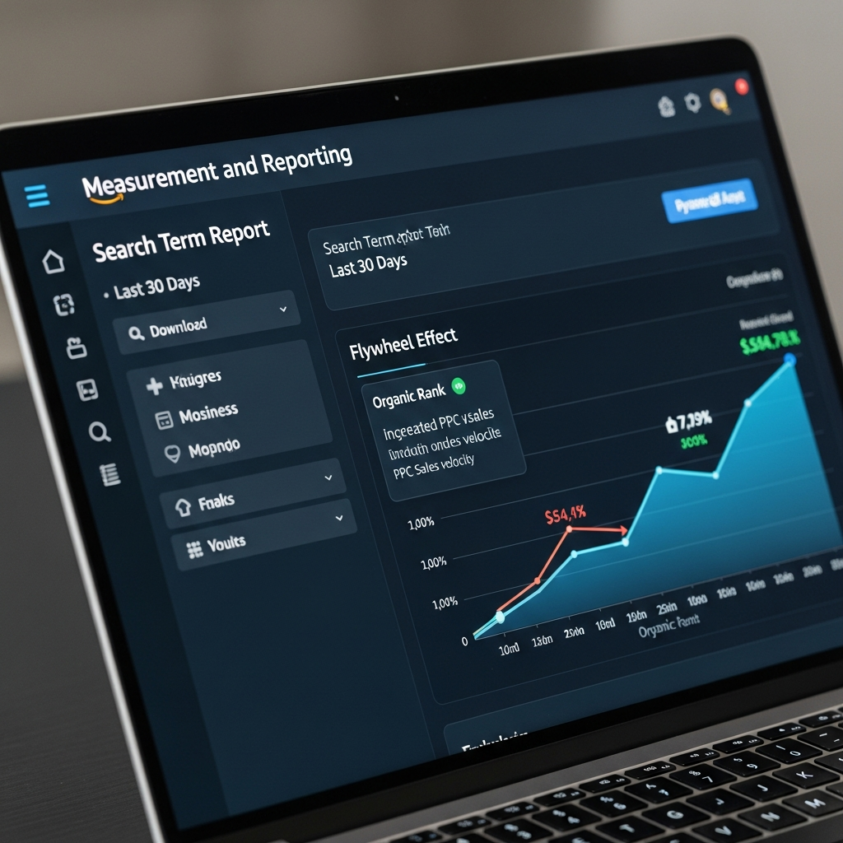
Data-driven decision-making is rooted in the Search Term Report. To stay ahead of market shifts and seasonal trends, you should pull these reports from the “Measurement and Reporting” section of Seller Central at least every 30 days. This 30-day window is critical because it accounts for Amazon’s attribution lag and provides enough data to see which terms are actually driving revenue. By analyzing these reports, you move away from guesswork and toward a strategy based on actual customer behavior. If you need assistance interpreting this complex data, you can contact us for a comprehensive account audit.
Implement Aggressive Negative Targeting
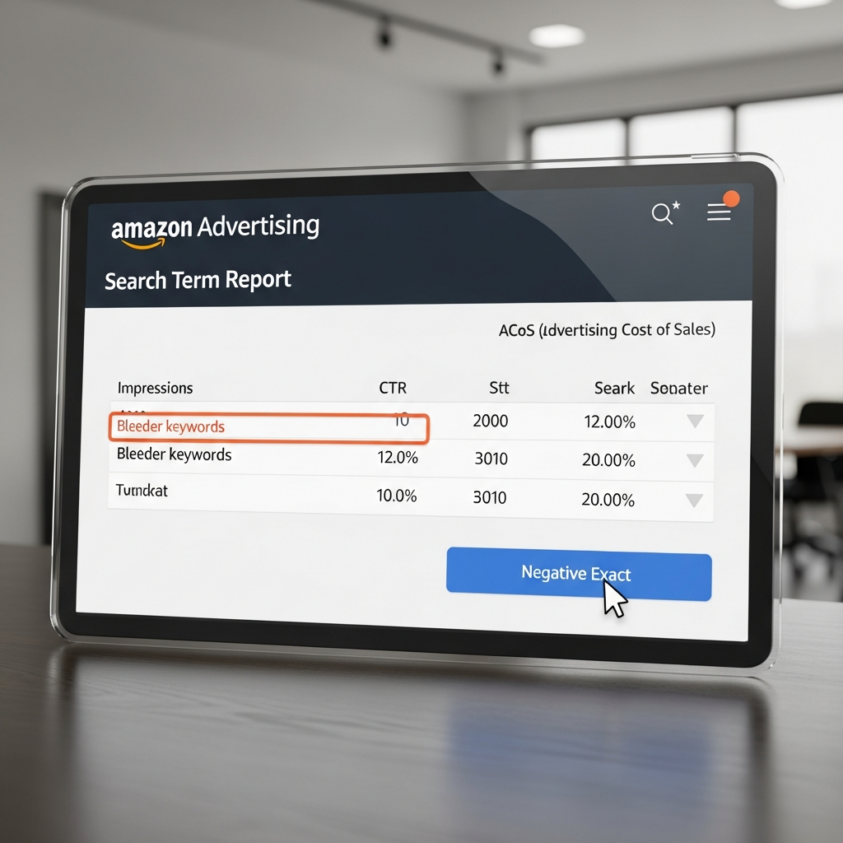
One of the fastest ways to lower your ACOS from a standard 30% to a dominant sub-10% is through the aggressive use of negative targeting. By identifying “bleeder” keywords, terms that generate clicks but zero conversions, and adding them to your “Negative Exact” match list, you prevent the algorithm from wasting your budget. This practice ensures that your spend is reserved only for high-intent shoppers, effectively cleaning up your ad groups. This methodology is explored in depth in this PPC guide, which details advanced optimization techniques.
Scale High-Performers via Single Keyword Campaigns
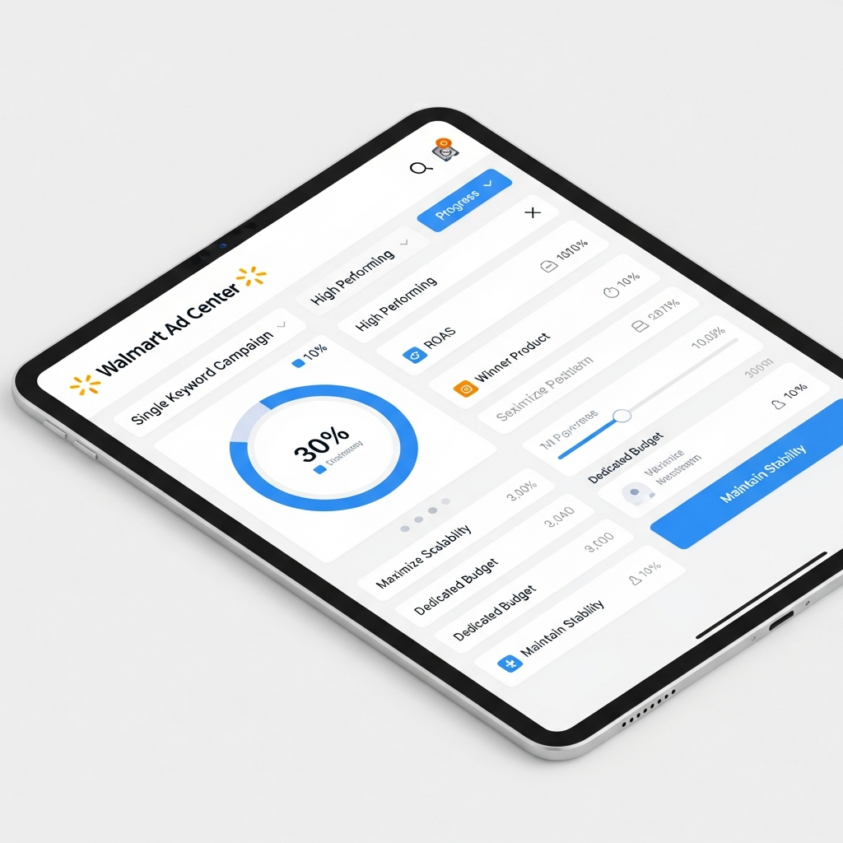
When the data identifies a “winner”, a keyword with a high Return on Ad Spend (ROAS) and consistent volume, it is time to isolate it. Moving a winning keyword into its own Single Keyword Campaign (SKC) allows for total budget control and prevents “keyword cannibalization” within larger ad groups. In an SKC, you can push the bid to capture maximum impressions without worrying about that keyword’s spend being limited by other underperforming terms. This granular control is similar to the precision found in sponsored search ads and other sponsored products platforms.
Maximize Sales Velocity to Boost Organic Rank
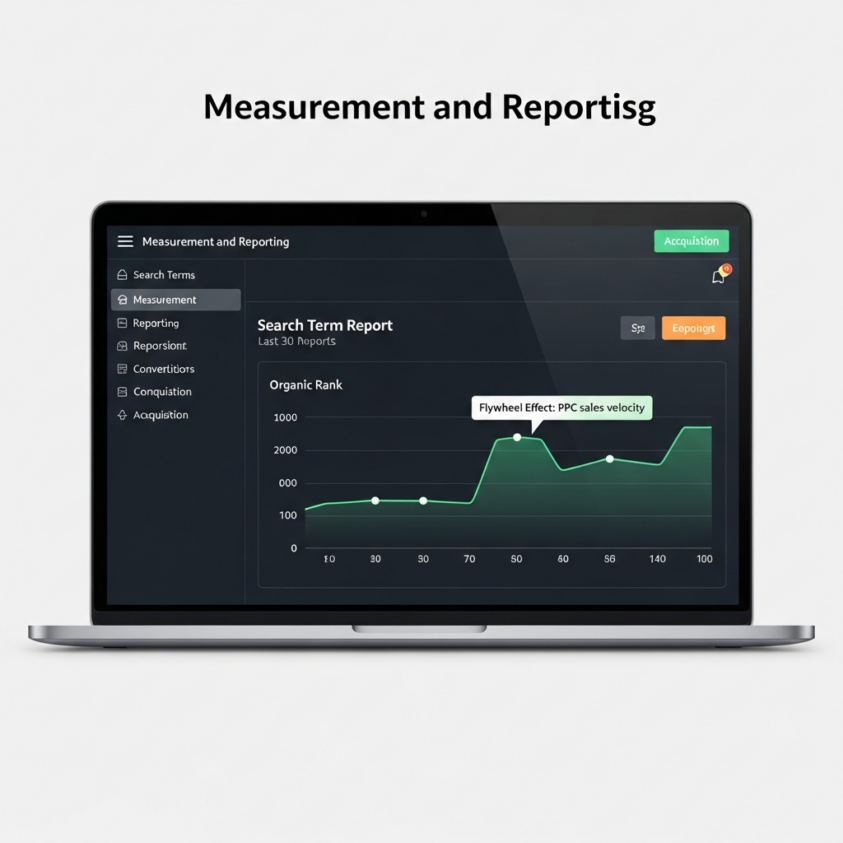
Amazon’s A9 and A10 algorithms prioritize products with high sales velocity. This creates a powerful “flywheel effect”: the more sales you generate through PPC, the higher your organic rank climbs. In 2026, PPC should not be viewed as an isolated expense but as a tool to buy organic real estate. By strategically bidding on keywords where you want to rank organically, you use paid traffic to prove your relevance to Amazon. To master these advanced ranking strategies, consider enrolling in specialized e-commerce courses.
Audit Your Competition for Continuous Profitability
A static strategy is a failing strategy. You must constantly audit your competitors’ images, inventory levels, and A+ Content. If a competitor goes out of stock, it is an opportunity to increase your bids and capture their market share. Conversely, if a competitor significantly improves their listing, your conversion rate on shared keywords may drop. Use “Reverse ASIN” targeting to place your products directly on competitors’ detail pages with inferior listings. Understanding the broader landscape, including the walmart connect advertising solutions overview, helps sellers apply cross-platform competitive intelligence to stay ahead in the marketplace.
Need Help Growing Your Sales?
We are here to help you scale.
Stay ahead with the latest tips and trends in online selling:
🎥 YouTube – EHP Consulting Group
📱 EHP Consulting Group
Written By: Janine Alaban
Email: info@ehpconsultinggroup.com
Website: http://www.ehpconsultinggroup.com
Number: 925-293-3313
Date Written: August 19, 2026