 (925) 293-3313
Strategies for Starting a Business on Amazon
Starting a business on Amazon is often portrayed as a complex maze of paperwork and legal hurdles. However, the path to getting your first product live is often much simpler than many beginners realize. By strategically choosing how you register your account, you can bypass common verification delays and focus on what actually matters: making your first sale. For a deep dive into these onboarding tactics, you can view our video guide on Amazon registration strategies.
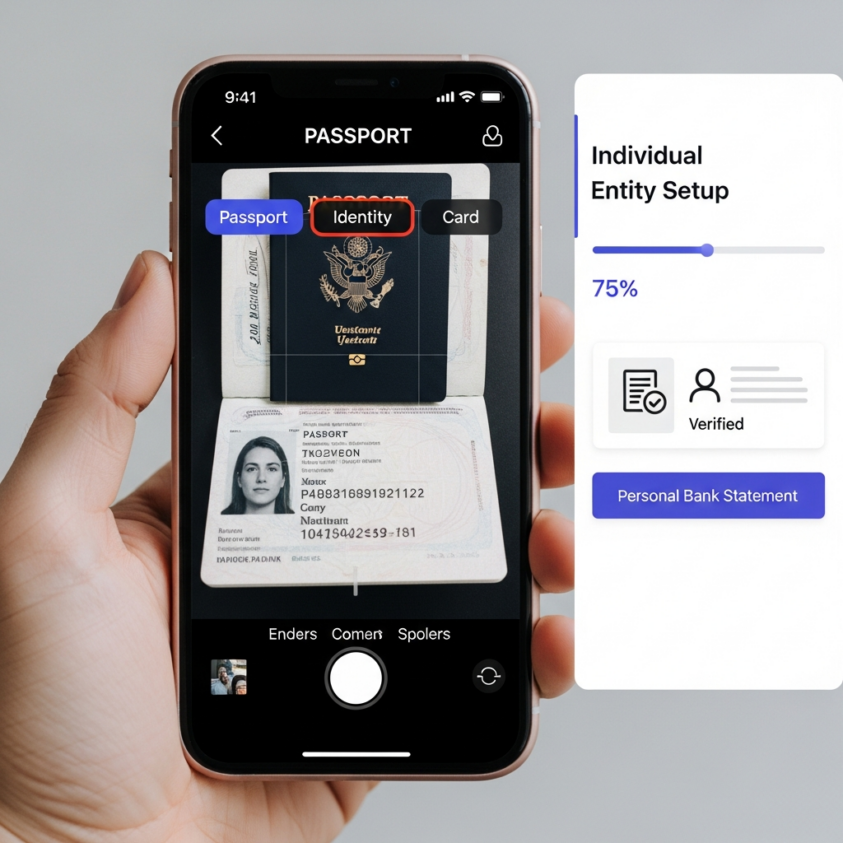
Understand the Difference Between Account Type and Selling Plan
Before you click the sign-up button on Amazon Seller Central, it is vital to distinguish between your “Legal Entity” status and your “Selling Plan.” Many new sellers confuse these two concepts, leading to unnecessary expenses or registration errors.
Your Legal Entity refers to how you are recognized for tax purposes—either as an individual (using your SSN) or a business (using an EIN). Your Selling Plan refers to Amazon’s fee structure. According to Amazon’s official reference documentation, the Individual Plan has no monthly fee but charges $0.99 per item sold, while the Professional Plan costs $39.99 per month. You can register as an “Individual” legal entity while still opting for a “Professional” selling plan to access advanced marketing tools.
Choose the Individual Legal Entity for Faster Approval
The fastest “path of least resistance” when joining the Amazon marketplace is to register as an individual. When Amazon asks for your “Business Type,” selecting “None, I am an individual” significantly streamlines the Know Your Customer (KYC) verification phase.
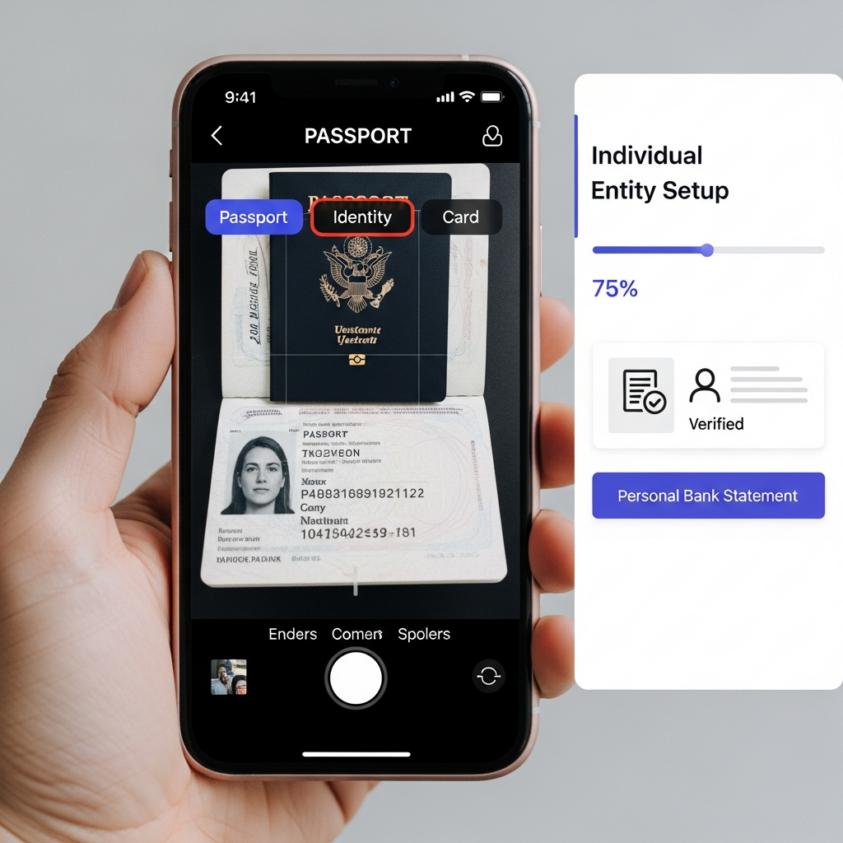
By signing up as an individual, you are essentially telling Amazon that you are operating as a sole proprietor. This allows you to get your account active without the immediate need for complex corporate documentation, allowing you to test the waters of e-commerce before investing in formal business formation.
Simplify Your Documentation Requirements
One of the primary reasons seller applications are rejected is a mismatch in documentation. When you register as a business entity, Amazon requires an EIN, business licenses, and utility bills in the company name. If your business has multiple partners, Amazon frequently demands identity verification for every “Beneficial Owner” (anyone owning 25% or more), which can cause massive delays if one partner’s documents are not perfectly aligned. If you find the requirements overwhelming, exploring professional Amazon account management services can help ensure compliance from day one.
By starting as an individual, your requirements are limited to:
- A government-issued ID (Passport or Driver’s License).
- A bank account or credit card statement in your personal name.
This reduced document load minimizes the “surface area” for potential errors and speeds up the approval timeline from weeks to days.
Upgrade Your Selling Plan as Your Volume Increases
Once your account is approved and you begin listing products, you should monitor your sales volume. While the Individual Selling Plan is great for those selling fewer than 40 items a month, the Professional Plan becomes a necessity once you scale. To ensure your listings are optimized for this growth, consider getting a free listing audit to maximize your conversion rates.

Not only does the Professional Plan become more cost-effective at 40+ sales, but it also unlocks the ability to apply for restricted categories, run Amazon Advertising (PPC), and view detailed sales reports. You can make this switch within your account settings at any time without having to re-verify your entire identity.
Transition to a Formal Business Entity (LLC) Strategically
While starting as an individual is efficient, it is not a long-term solution for high-volume sellers. From a liability perspective, selling as an individual offers no protection; if a product causes an issue, your personal assets could be at risk.

The strategic move is to wait until your business is generating consistent sales before forming an LLC or Corporation. Once you have a proven concept, you can update your Legal Entity and Tax Information in Seller Central. If you are unsure when to make this jump, you can contact our experts for a consultation. This allows you to move the “heavy lifting” of business formation to a time when you actually have the cash flow to support it.
Prepare for Re-Verification During the Entity Switch
It is important to manage expectations when transitioning from an individual to a business entity. While some sellers report a seamless move, current protocols—specifically under the INFORM Consumers Act—often trigger a re-verification process when your Tax ID (changing from an SSN to an EIN) or legal name is updated. Many sellers discuss these hurdles and share their experiences on Amazon’s seller forums.

To ensure this doesn’t result in an account suspension, ensure that your new business documents (Articles of Organization and Utility Bills) perfectly match the new information you provide in Seller Central. Moving into a business entity is a natural part of the growth cycle, but it should be done with a high degree of attention to detail to keep your storefront active.
YouTube Channel Link: EHP Consulting Group on YouTube
TikTok Profile Link: EHP Consulting Group on TikTok
Written By: Jhan Rose Magbanua
Email: info@ehpconsultinggroup.com
Website: http://www.ehpconsultinggroup.com
Number: 925-293-3313
Date Written: Jul 12, 2026