 (925) 293-3313
1. Optimize Your Listing for Maximum Conversion
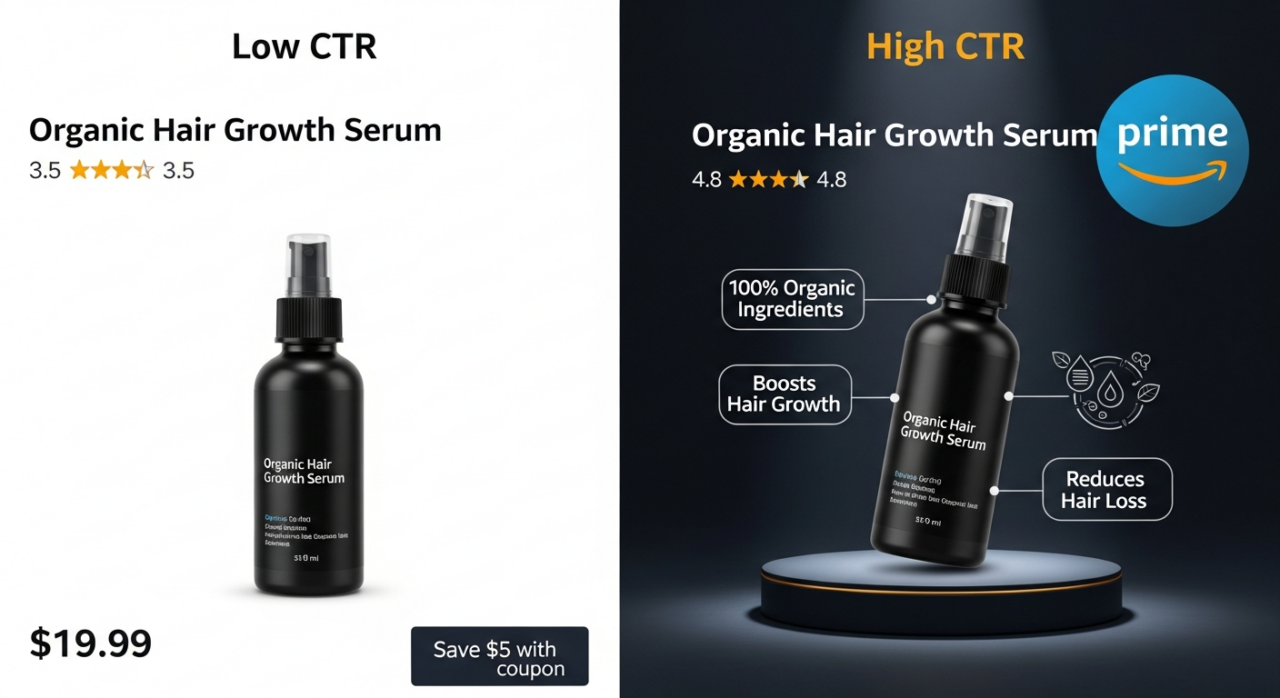
Before you spend a single dollar on advertising, your product listing must be built to convert. Driving traffic to a weak page is like pouring water into a leaky bucket. A well-optimized listing not only convinces shoppers to buy but also improves your ad performance and lowers your cost-per-click (CPC). Start by conducting a thorough audit of your own listing, focusing on a core checklist. Your main image must be high-quality and compelling enough to earn a click in a crowded search result. Your title needs to be packed with the most relevant keywords while remaining readable. The bullet points should clearly and concisely sell the product’s benefits, not just list its features. For brand-registered sellers, A+ Content is non-negotiable for telling a richer brand story and increasing conversion rates. Finally, ensure you have a solid base of positive reviews and are using Fulfillment by Amazon (FBA) to offer the Prime badge, a critical trust signal for buyers.
2. Reverse-Engineer Your Top Competitors
To effectively compete on Amazon, you must understand exactly what is working for your rivals. Instead of guessing which keywords to target, you can use powerful software suites like Helium 10 to get concrete data. The key is using a reverse ASIN lookup tool, such as Helium 10’s Cerebro. By simply entering the ASIN (Amazon Standard Identification Number) of a top competitor’s product, you can instantly see a list of the keywords they are ranking for. This analysis reveals not only their organic search positions but also where they are spending their advertising budget, indicated by their sponsored rank for specific keywords. This intelligence is a goldmine, allowing you to build a highly targeted keyword list based on proven performers in your niche, saving you time and money in the testing phase.

3. Implement a Strategic Pricing Model
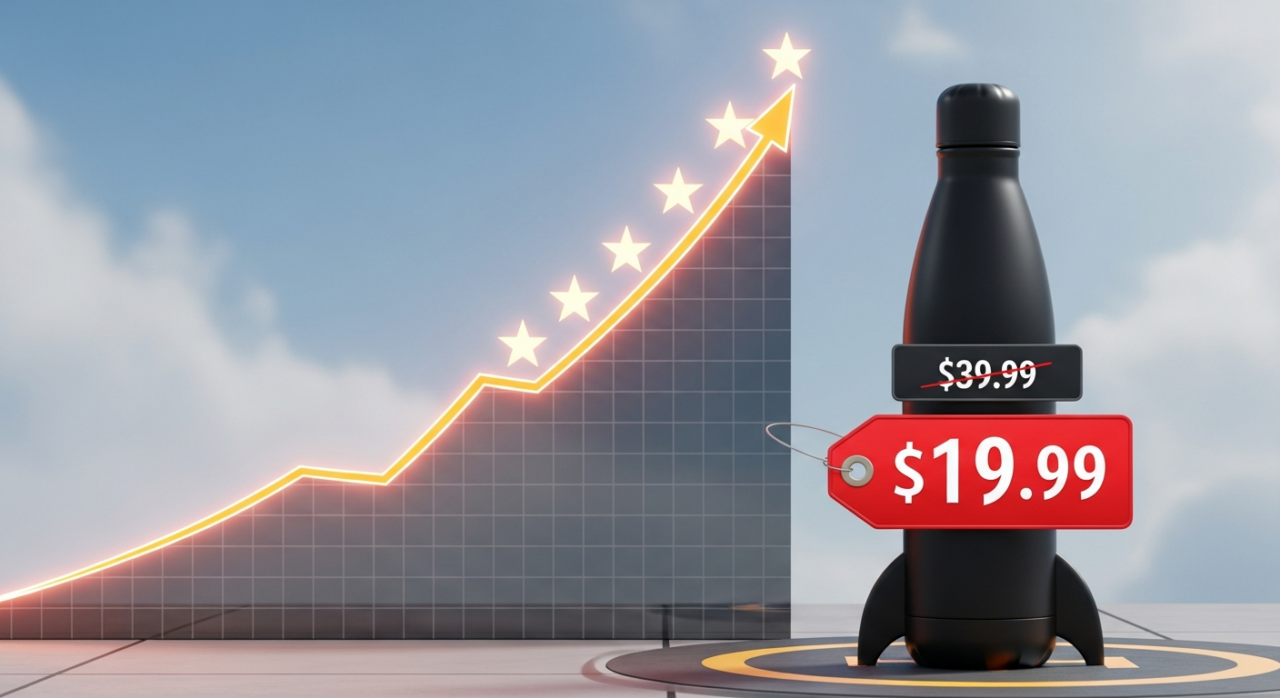
Price is one of the most significant factors in a customer’s purchasing decision on Amazon. If your product is priced significantly higher than the top competitors’ offering a similar item, it will be incredibly difficult to gain traction, regardless of how much you spend on ads. Your pricing must be competitive. For new products or listings that are struggling to get off the ground, consider a “launch” pricing strategy. This involves intentionally setting your price lower than the competition, sometimes even at a small loss, for an initial period. The goal isn’t immediate profit; it’s to generate sales velocity and accumulate those crucial first reviews. This initial momentum improves your product’s organic ranking, and once the listing is established with social proof, you can gradually raise the price to your target profitable level.
4. Run Efficient, Low-Cost Advertising Campaigns
The ultimate goal of Amazon PPC is to acquire customers profitably. While claims of achieving a consistent two-cent cost-per-click (CPC) are highly improbable for most sellers in competitive categories—where the average CPC often hovers closer to a dollar—the underlying strategy of aggressively lowering your ad costs is critical. You don’t have to accept high CPCs as a cost of doing business. Focus on proven methods to drive down your ad spend. Target long-tail keywords that are highly specific and often have less competition and lower costs. Make aggressive use of negative keywords to prevent your ads from showing up for irrelevant searches that waste your budget. Most importantly, constantly monitor your campaigns and adjust your bids based on performance. A well-optimized listing with a competitive price will naturally achieve a better ad performance, leading to the lower CPCs you need to scale profitably.

“`
Need Help Growing Your Sales?
We are here to help you scale.
Note: Include the buttons at the bottom by using “Custom HTML”(Here)
Written By: Liezel Felisilda
📺 YouTube: EHP Consulting Group on YouTube
🎵 TikTok: EHP Consulting Group on TikTok
Email: info@ehpconsultinggroup.com
Website: www.ehpconsultinggroup.com
Number: 925-293-3313
Date Written: March 27, 2026