 (925) 293-3313
The upcoming 2026 Amazon fee adjustments are on every seller’s radar. While the headline average increase of $0.08 per unit for FBA fulfillment might seem manageable, the devil is in the details. A closer look reveals that specific product categories, fulfillment methods, and storage solutions will face much steeper hikes. To protect your margins and stay ahead of the curve, it’s time to move from awareness to action. Here are five strategies to implement now to prepare your business for the changes ahead.
1. Conduct a Product-Level Fee Impact Analysis
Relying on the $0.08 average increase is a surefire way to miscalculate your future profitability. The actual impact is highly dependent on your product’s size and price point. For example, small standard-size products priced between $10 and $50 will see an average increase of $0.25 per unit, while some products priced over $50 could see an increase of $0.31.
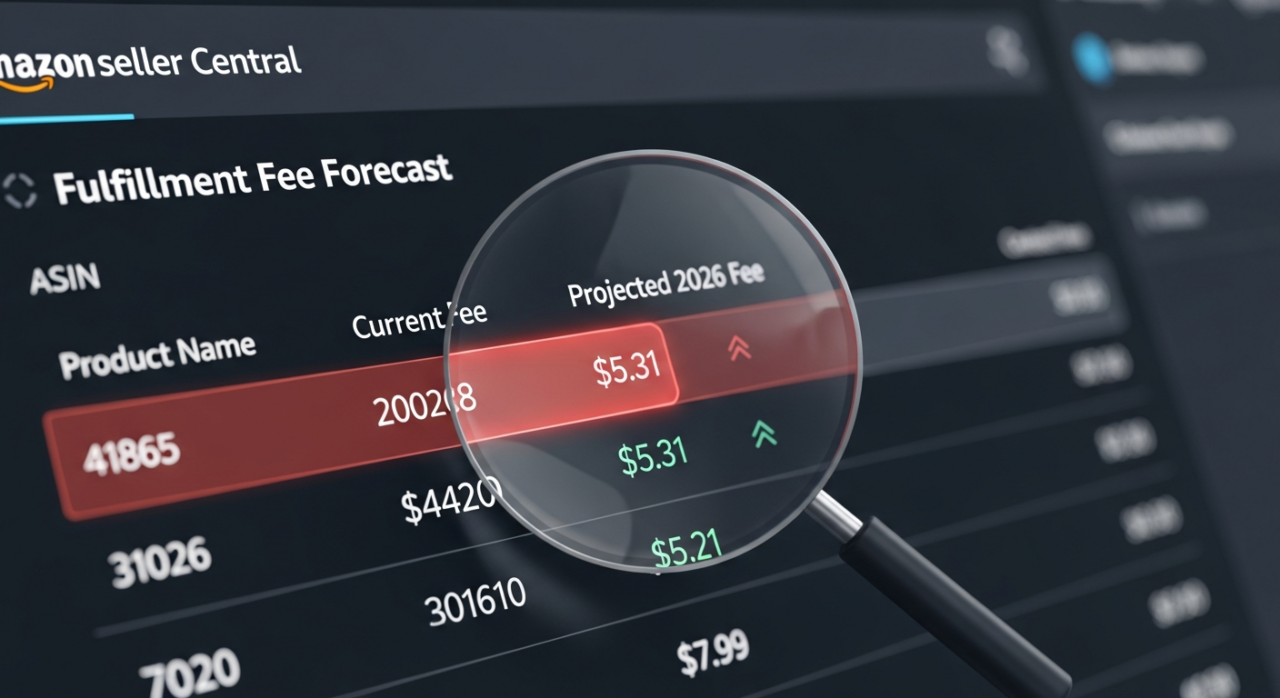
Your first step is to perform a detailed audit of your ASINs. Download your current fee reports and use tools like the Amazon’s revenue calculator to project the new 2026 fees for your top-selling products. Pay close attention to the specific size and weight tiers your products fall into. This granular analysis will reveal your true cost increases and highlight which products will be most affected, allowing you to make informed decisions before January 15, 2026.
2. Optimize Your Packaging to Combat Dimensional Weight
Dimensional (DIM) weight remains a critical factor in FBA fee calculations, and its impact will only be amplified by rising costs. Amazon, like all major carriers, calculates fees based on either the actual weight or the DIM weight of a package—whichever is greater. The formula, (Length x Width x Height) / 139, means a large, lightweight item like a pillow can easily incur higher fulfillment fees than a small, heavy five-pound weight.
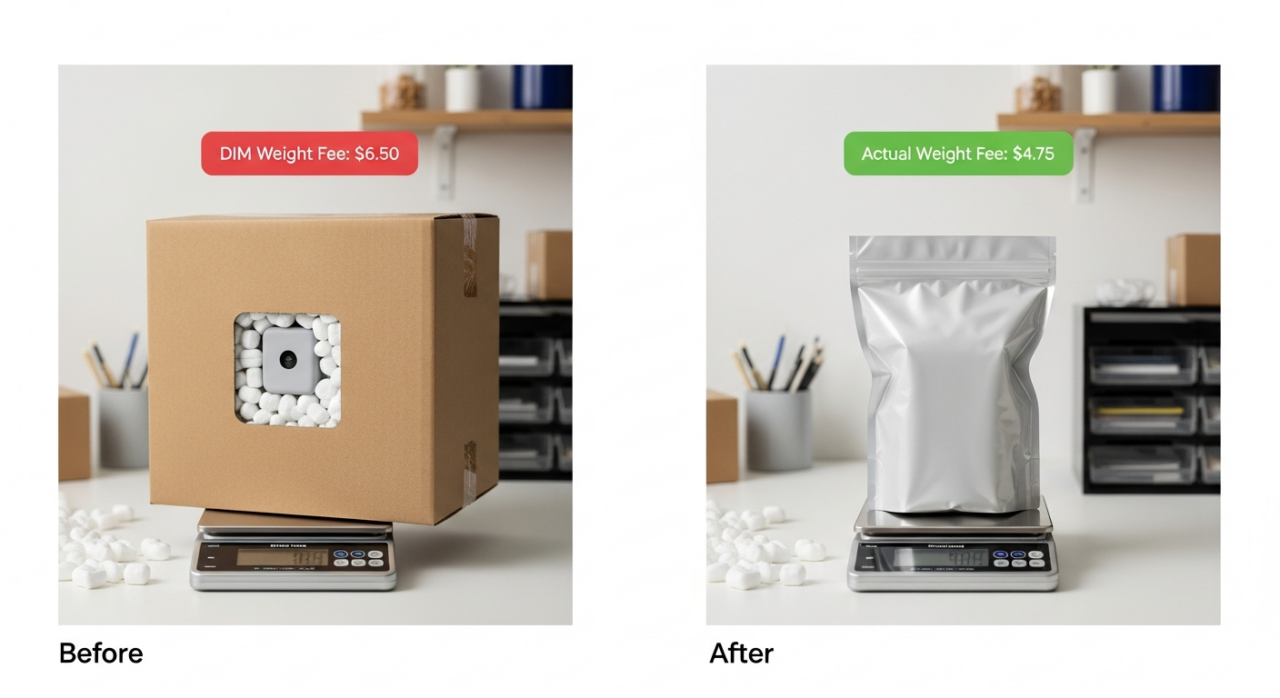
Work with your suppliers to minimize packaging dimensions without compromising product safety. Shaving off even half an inch can potentially drop your product into a lower size tier, resulting in significant savings over thousands of units. Eliminate empty air within your boxes and explore whether a product can be safely shipped in a poly bag instead of a bulkier box.
3. Re-evaluate Your Multi-Channel Fulfillment (MCF) Strategy
If you use Amazon to fulfill orders from other channels like your own website or other marketplaces, you need to pay special attention. The fee increases for Multi-Channel Fulfillment (MCF) are poised to be significantly higher than for standard FBA, especially for single-unit orders.
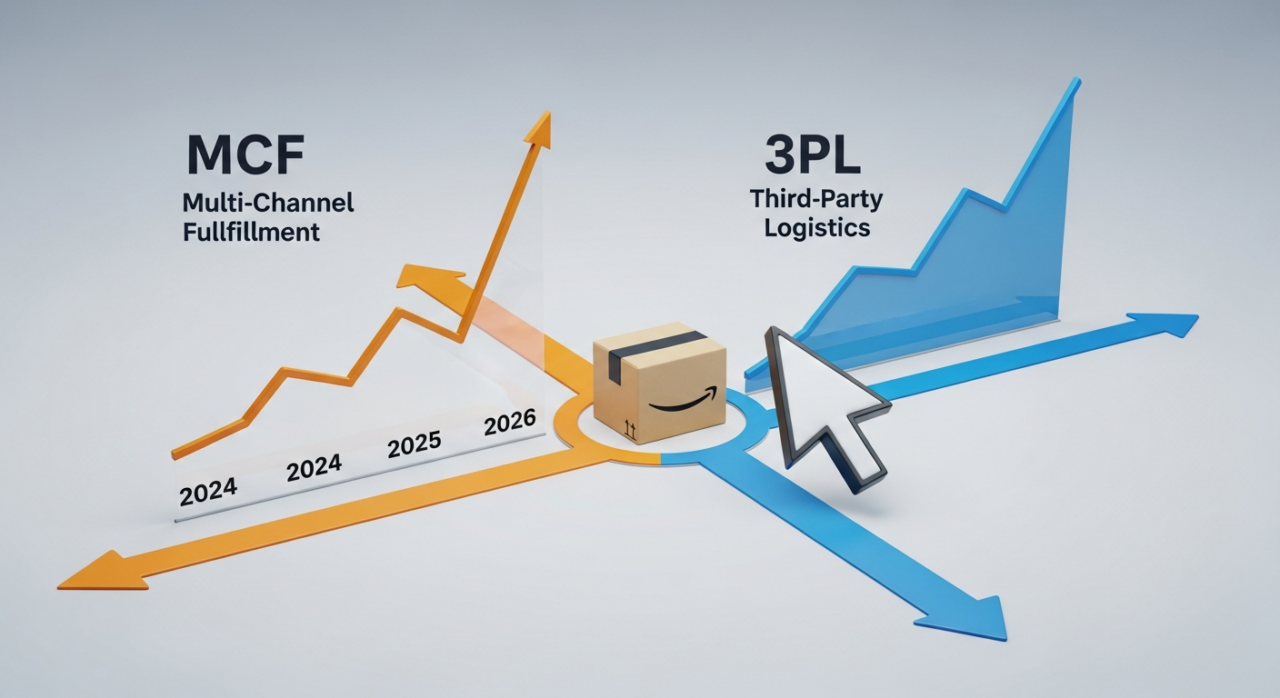
The reported fee increase from $6.99 to $7.18 for a 4-ounce product—a $0.19 jump—is a clear indicator of this trend. This is more than double the stated FBA average. Before 2026, conduct a thorough cost comparison between the new MCF rates and the rates offered by third-party logistics (3PL) providers. While MCF offers convenience, a dedicated 3PL may provide more competitive pricing for your off-Amazon sales channels moving forward.
4. Streamline Your Inventory and Upstream Storage
The fee increases extend beyond last-mile fulfillment. Sellers using Amazon Warehousing & Distribution (AWD) for bulk, upstream storage will be hit with substantial cost hikes. Storage fees in the West Region are set to climb by 19% (from $0.48 to $0.57 per cubic foot), and associated transportation fees are projected to rise by a staggering 20-22%.
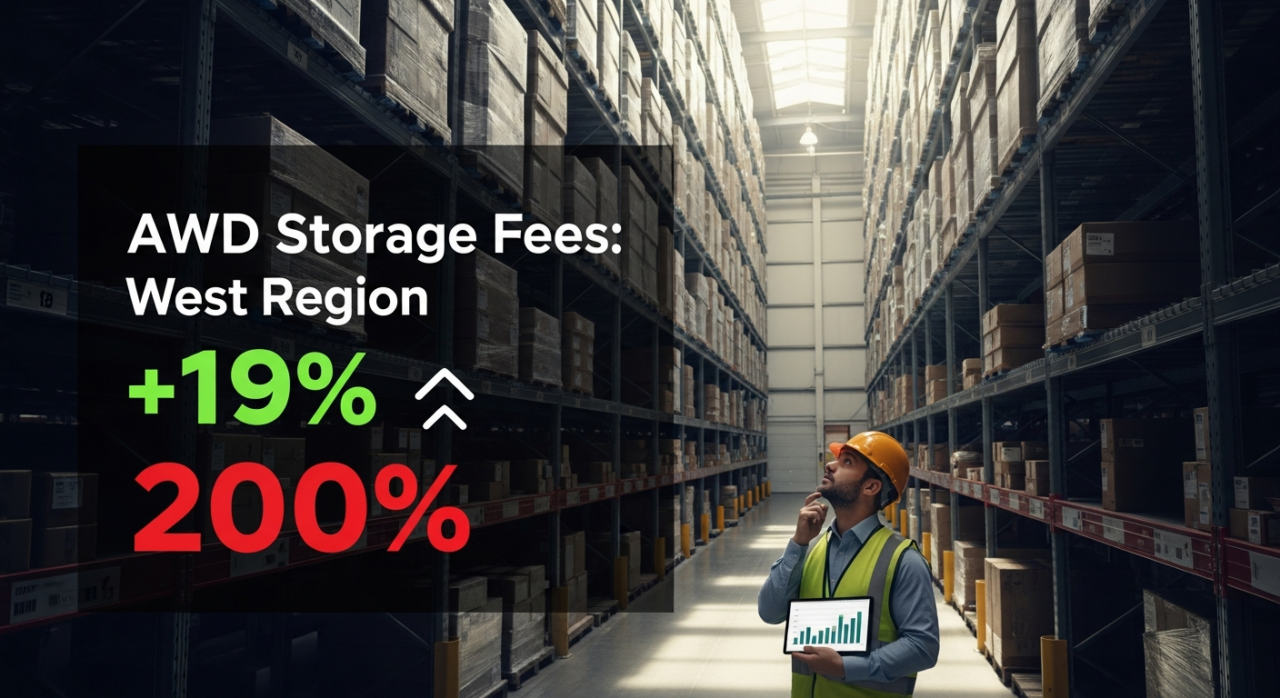
These increases make efficient inventory management non-negotiable. Focus on improving your forecasting to avoid overstocking and incurring higher storage costs. Implement strategies to increase your inventory sell-through velocity. If you rely heavily on AWD, you must factor these significant cost increases into your total landed cost and pricing structure to avoid seeing your margins evaporate.
5. Strategically Adjust Your Pricing Model
Once you have a clear picture of your increased costs across fulfillment, storage, and DIM weight impacts, the final step is to adjust your pricing. A blanket percentage increase across your catalog is unlikely to be the optimal approach.
For products with a significant fee hike but thin margins, you may need to pass most of the cost on to the consumer. For more resilient products in a competitive landscape, you might absorb a portion of the increase to maintain your sales velocity. Consider creating product bundles to increase average order value, which can help offset the per-unit fee increases. The key is to make these pricing decisions based on the product-level data you gathered in the first step, ensuring you maintain both profitability and market competitiveness. For expert guidance on navigating these changes, consider working with a specialized agency like EHP Consulting Group or using advanced analytics tools such as Helium 10.
“`

Ready to Grow on Amazon?
At EHP Consulting Group, we help sellers rank higher, sell more, and scale faster.
👉 Contact us to audit your Amazon strategy
👉 Learn more about our full Amazon account management services
YouTube Channel Link: EHP Consulting Group on YouTube
TikTok Profile Link: EHP Consulting Group on TikTok
Written By: Jane Camille Olegario
Email: info@ehpconsultinggroup.com
Website: http://www.ehpconsultinggroup.com
Number: 925-293-3313
Date Written: March 30, 2026